
-

Recovery runs should be roughly 1:00–2:00 per mile slower than your easy pace, or 55–75% of maximum heart rate. The primary goal is active circulation and neuromuscular coordination, not aerobic stimulus—most runners run them too fast and compromise adaptation.
-

The ideal 3-week marathon taper reduces weekly mileage by 20-25% in week one, 40-50% in week two, and 60-70% in race week while maintaining intensity through short race-pace intervals until 10 days out.
-

Most runners should prioritize fixing overstriding, collapsed hips, and excessive vertical oscillation before worrying about arm carriage or cadence. Research shows these three errors account for the majority of preventable knee pain and wasted energy in recreational runners.
-

After testing twelve GPS watches priced under $300, the Garmin Forerunner 255 and COROS Pace 3 lead the category for recreational runners who want reliable pace data, multi-day battery life, and structured training tools without flagship price tags.
-

Transitioning from road to trail running requires a 4–6 week adaptation period focused on reducing weekly volume by 20–30%, shortening stride length, strengthening ankle stabilizers, and progressively introducing technical terrain to allow connective tissue and proprioceptive pathways to adapt.
-

Your tempo run pace should sit at 85–90% of your maximum heart rate or roughly 15–30 seconds per mile slower than your current 5K race pace, corresponding to your lactate threshold—the fastest pace you can sustain aerobically for 20–60 minutes.
-
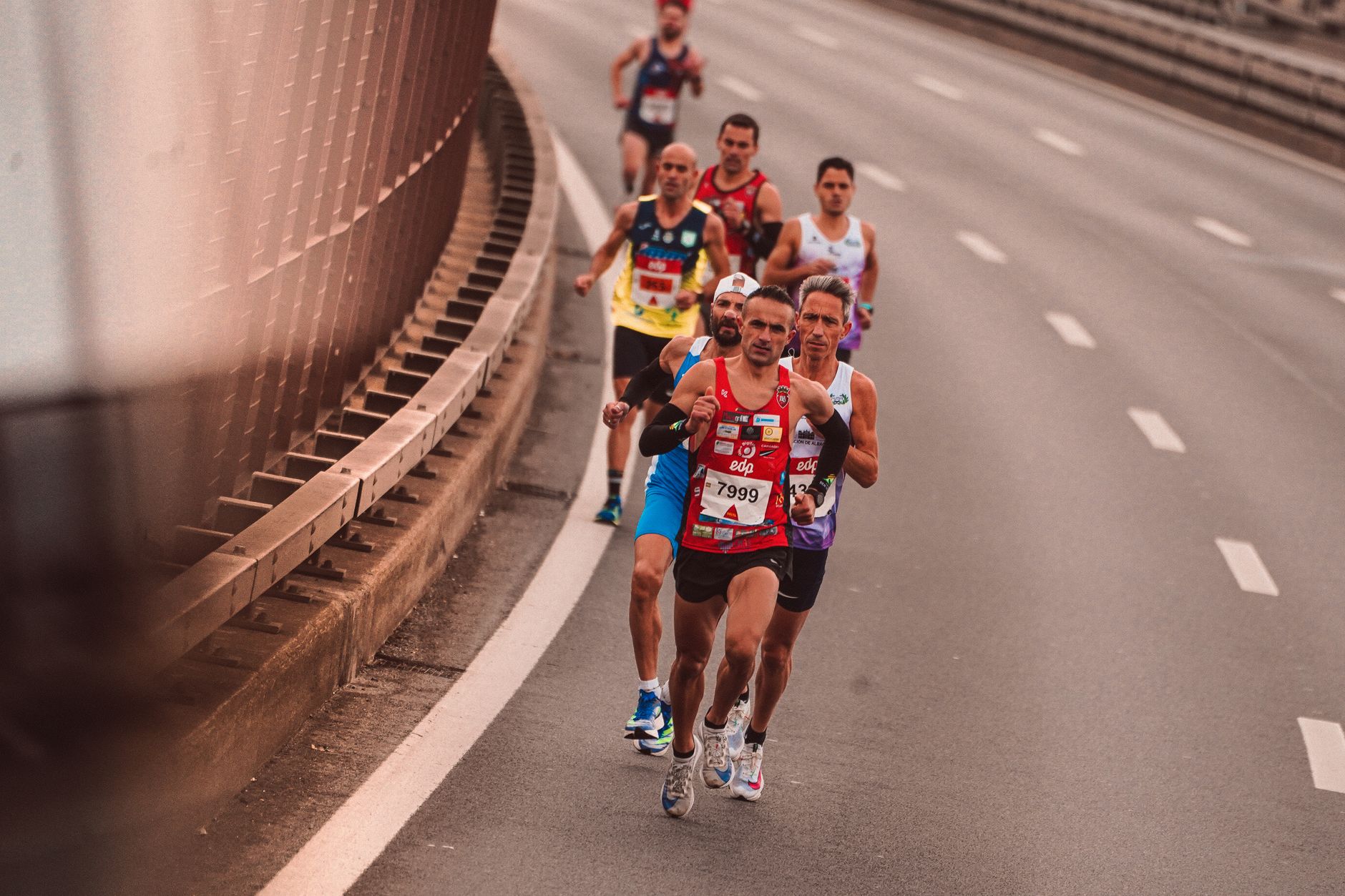
The most effective marathon fueling strategy delivers 60-90 grams of carbohydrate per hour starting at mile 3-5, paired with 400-800 ml of fluid hourly, using a 2:1 glucose-to-fructose ratio to maximize absorption and delay glycogen depletion through mile 20.
-
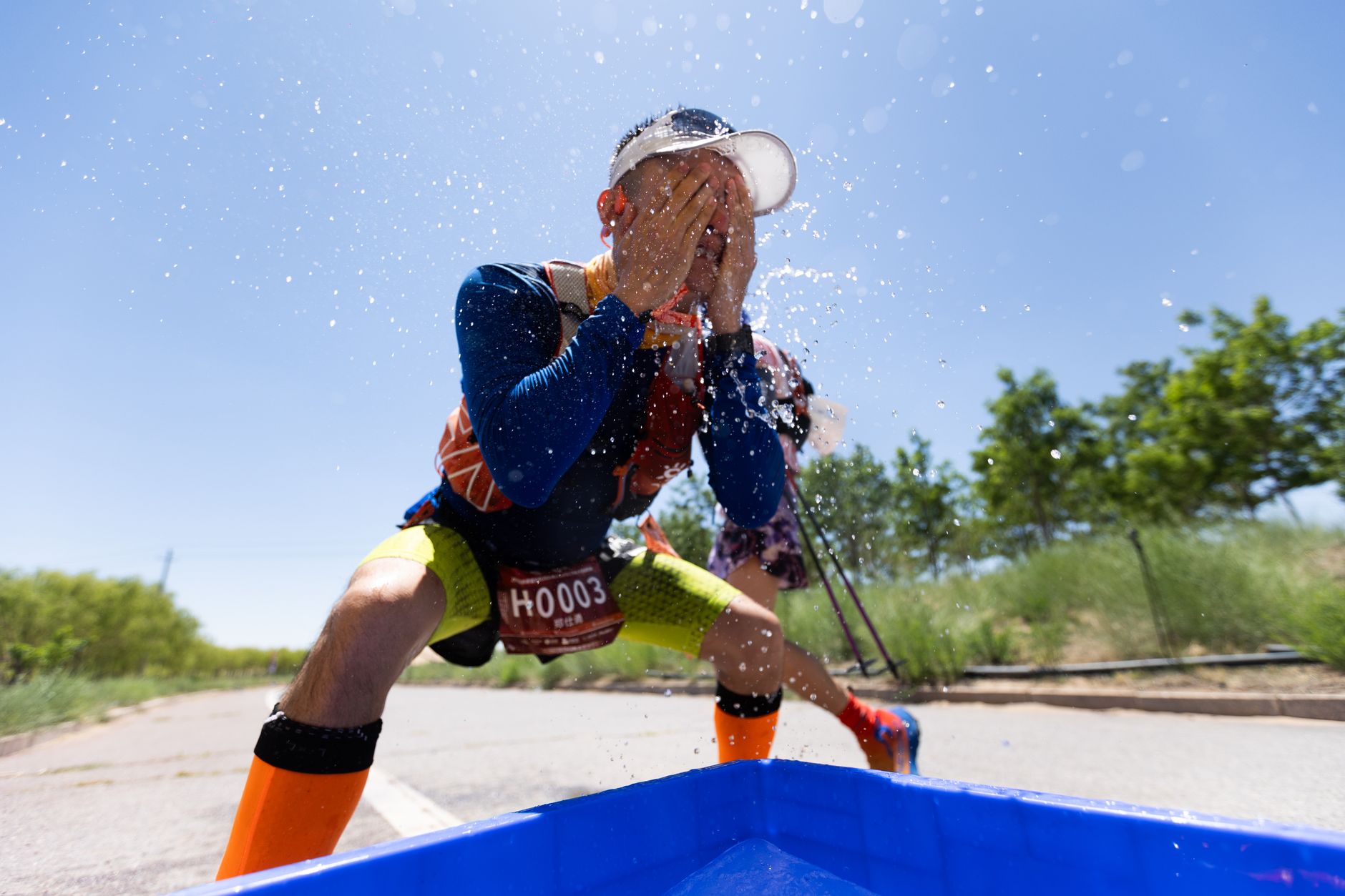
Heat training requires 10–14 days of gradual adaptation, 15–20% slower paces during acclimatization, proactive hydration starting before runs, and prioritized recovery including sleep and electrolyte balance to maintain performance and safety in warm conditions.
-
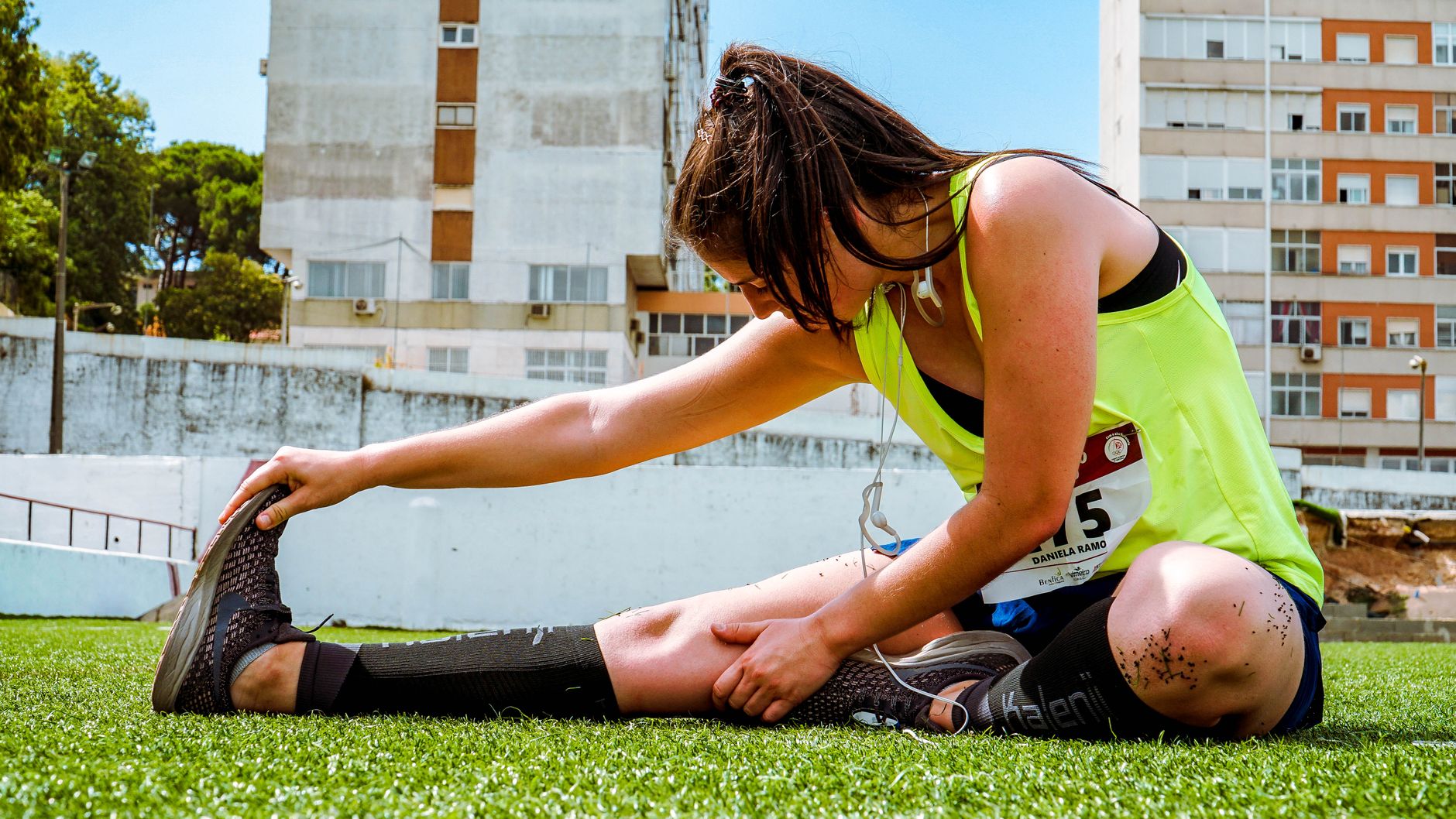
IT band syndrome in runners responds best to hip and glute strengthening, not foam rolling the ITB itself. Research shows targeting hip abductor weakness and training load errors resolves symptoms in 6-8 weeks for most runners.
-

Research shows most efficient runners maintain a cadence between 170–190 steps per minute, though optimal cadence varies by height, speed, and terrain. Increasing cadence by 5–10% can reduce ground contact time and lower injury risk without sacrificing pace.

☀
--°
Loading weather...
Detecting location...