
-

Research shows most efficient runners maintain a cadence between 170–190 steps per minute, though optimal cadence varies by height, speed, and terrain. Increasing cadence by 5–10% can reduce ground contact time and lower injury risk without sacrificing pace.
-

Run early morning or late evening when pollen counts drop, take non-drowsy antihistamines 1–2 hours before your workout, and swap outdoor intervals for treadmill speed sessions on high-count days to keep training consistent through allergy season.
-
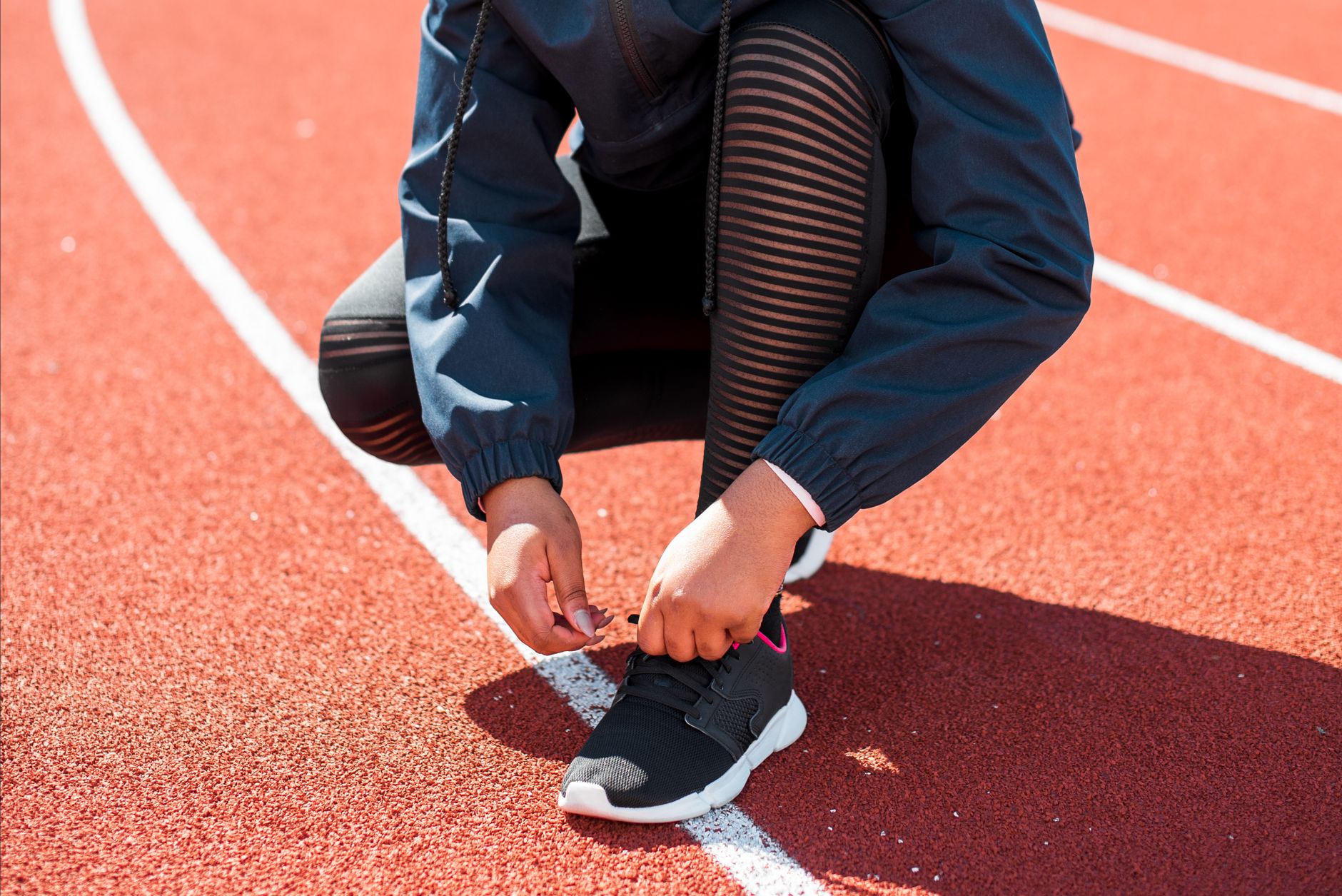
The best beginner running shoes prioritize fit, adequate cushioning (stack height 28-32mm), and a stable platform rather than corrective features. Research shows most new runners benefit from neutral shoes with room in the toebox, rotating pairs every 300-500 miles.
-

The best strength training plan for runners combines heavy posterior-chain loading (2-3 sets of 3-6 reps) twice weekly during base phases, transitioning to explosive plyometrics (box jumps, bounds) in race-specific blocks. Research shows this sequence improves running economy by 3-5% without adding fatigue.
-

Complete marathon recovery takes 3-4 weeks. Week one prioritizes rest and inflammation control, week two reintroduces easy running, week three rebuilds aerobic base, and week four resumes structured training with reduced volume.
-

Fartlek training blends continuous running with spontaneous or structured speed surges, building both aerobic capacity and lactate threshold without the rigid structure of traditional intervals. Research shows unstructured fartlek sessions reduce perceived exertion while delivering comparable VO₂max gains to formal track intervals.
-

Carbon plate running shoes deliver a measurable 2-4% improvement in running economy through energy return and reduced metabolic cost, but the $200+ price and biomechanical trade-offs mean they’re most valuable for runners targeting PRs at race pace, not everyday training volume.
-

Running form drills improve technique by isolating specific movement patterns—cadence, ground contact time, hip extension—then integrating them into your stride. Research shows A-skips, B-skips, high knees, butt kicks, bounding, straight-leg runs, and skipping each target distinct biomechanical inefficiencies when performed 2-3 times per week for 10-15 minutes.
-

First-time parkrunners should register online for a free barcode before Saturday, arrive 20 minutes early to familiarize themselves with the course, and plan to run the first kilometer 15-20 seconds slower than goal pace to avoid the common mistake of starting too fast in the festive atmosphere.
-

For races over 90 minutes, aim for 30–60 g of carbohydrate per hour starting within the first 20 minutes, paired with 300–600 mg sodium per hour. Practice your exact fueling plan during long runs at race pace to train gut absorption and avoid GI distress on race day.

☀
--°
Loading weather...
Detecting location...