
-

An effective 8-week 10k training plan builds aerobic capacity in weeks 1-4 through tempo and threshold work, then sharpens race-specific speed in weeks 5-7 before a strategic taper. This timeline suits runners with a baseline of 15-20 miles per week who want structured progression without overtraining.
-
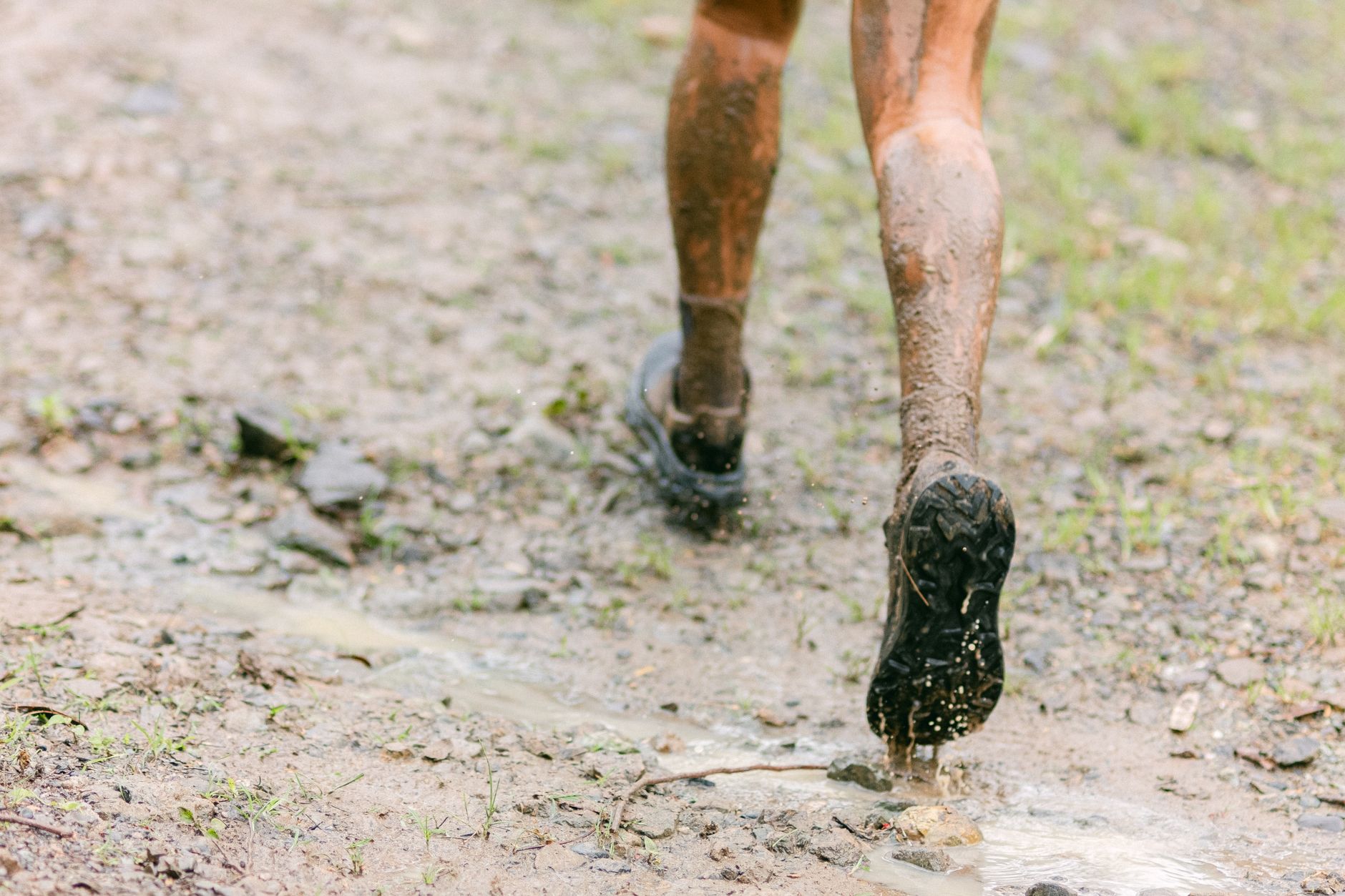
Trail running shoes feature aggressive lugs (4–6 mm), rock plates, and reinforced uppers for off-road traction and protection, while road shoes prioritize lighter weight, responsive foam, and smooth-surface efficiency. Most runners benefit from dedicated pairs only if they log 30+ miles per month on their non-primary terrain.
-
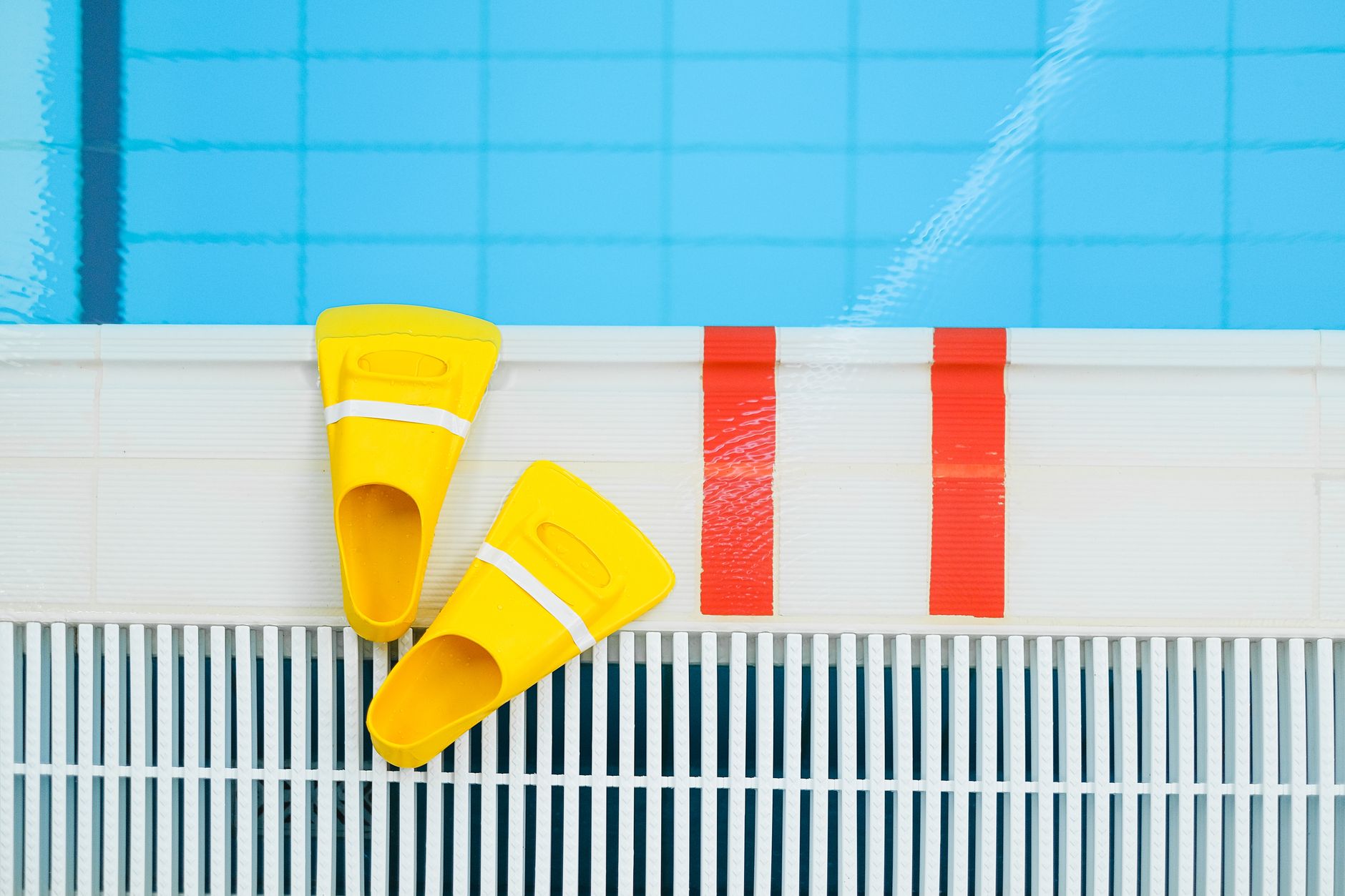
The best cross-training for runners preserves aerobic fitness without compounding impact stress. Swimming, cycling, elliptical work, and targeted strength training each serve distinct recovery and performance goals when programmed around your running volume.
-
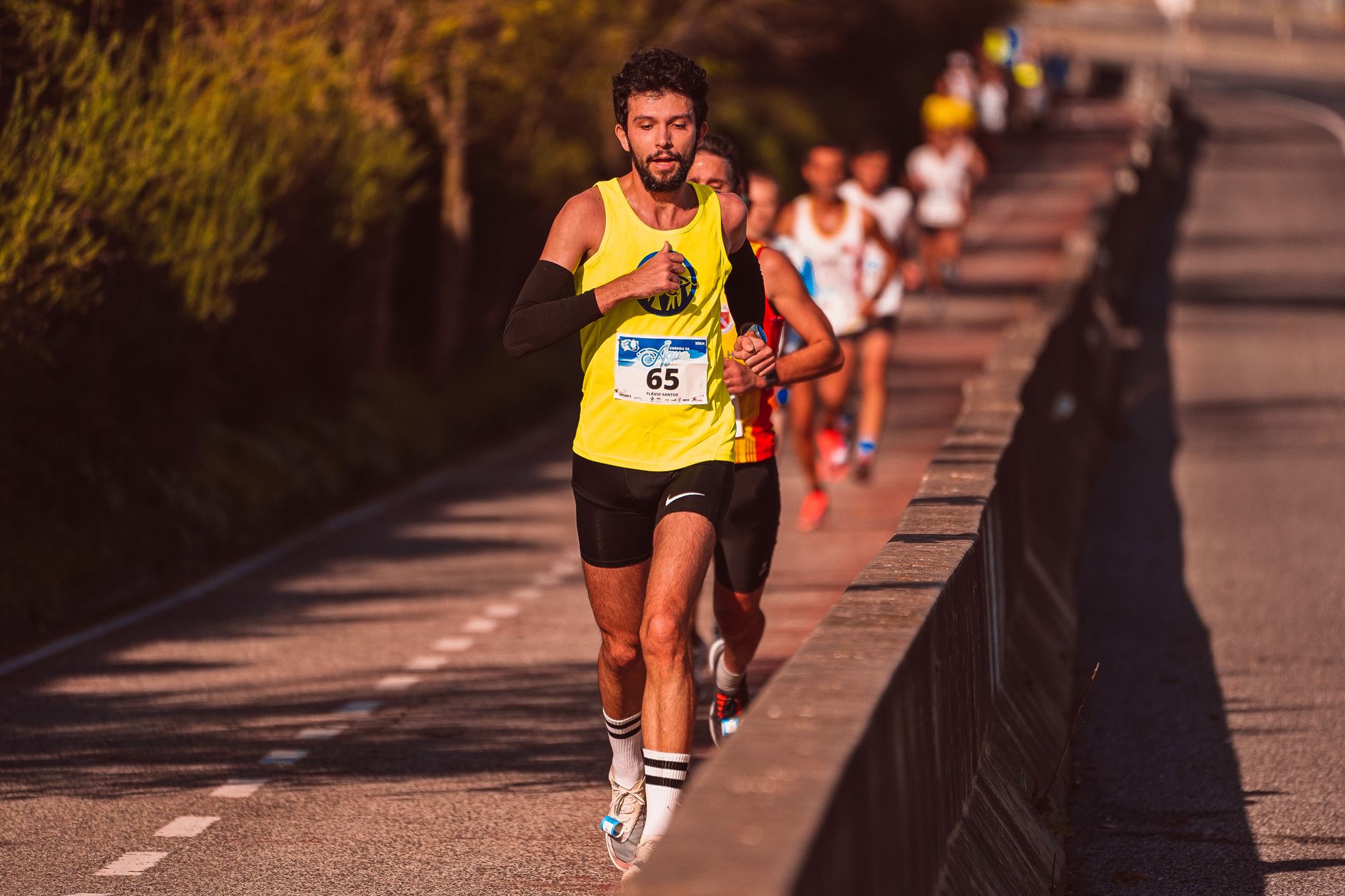
A structured 16-week intermediate marathon plan builds from 30–35 miles per week to a 50–55 mile peak, incorporates weekly tempo runs and long runs up to 20 miles, and includes a science-backed three-week taper to deliver race-day readiness for runners targeting sub-4:15 finishes.
-
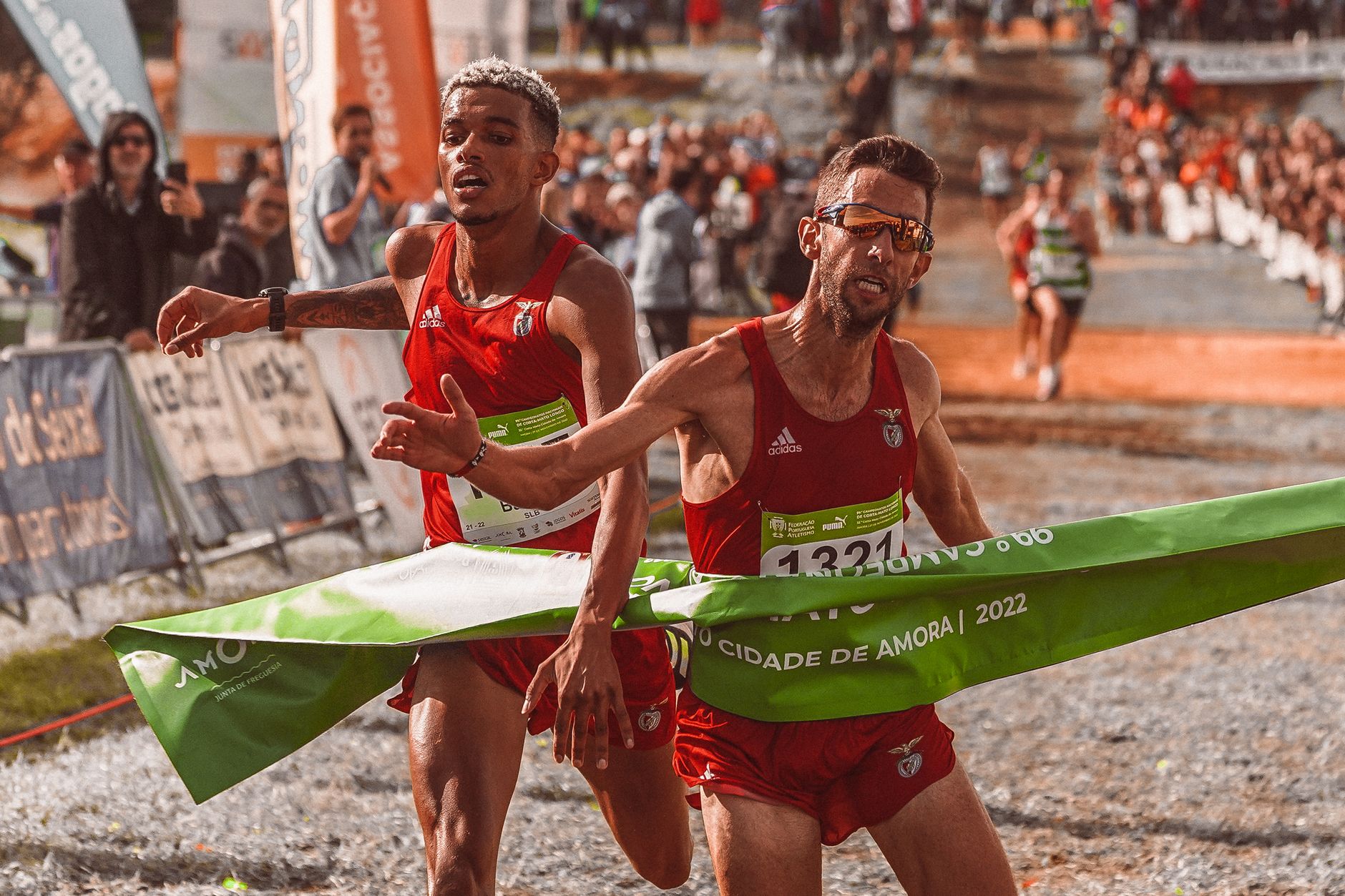
Negative splits—running the second half of a race faster than the first—require starting 3–5% slower than goal pace, monitoring effort instead of early splits, and executing a structured acceleration plan in the final third.
-

For cold-weather running, dress as if it’s 15–20°F warmer than the actual temperature; you’ll warm up within the first mile. Base your outfit on three functional layers—wicking base, insulating mid, wind-blocking outer—and adjust coverage based on specific temperature zones.
-
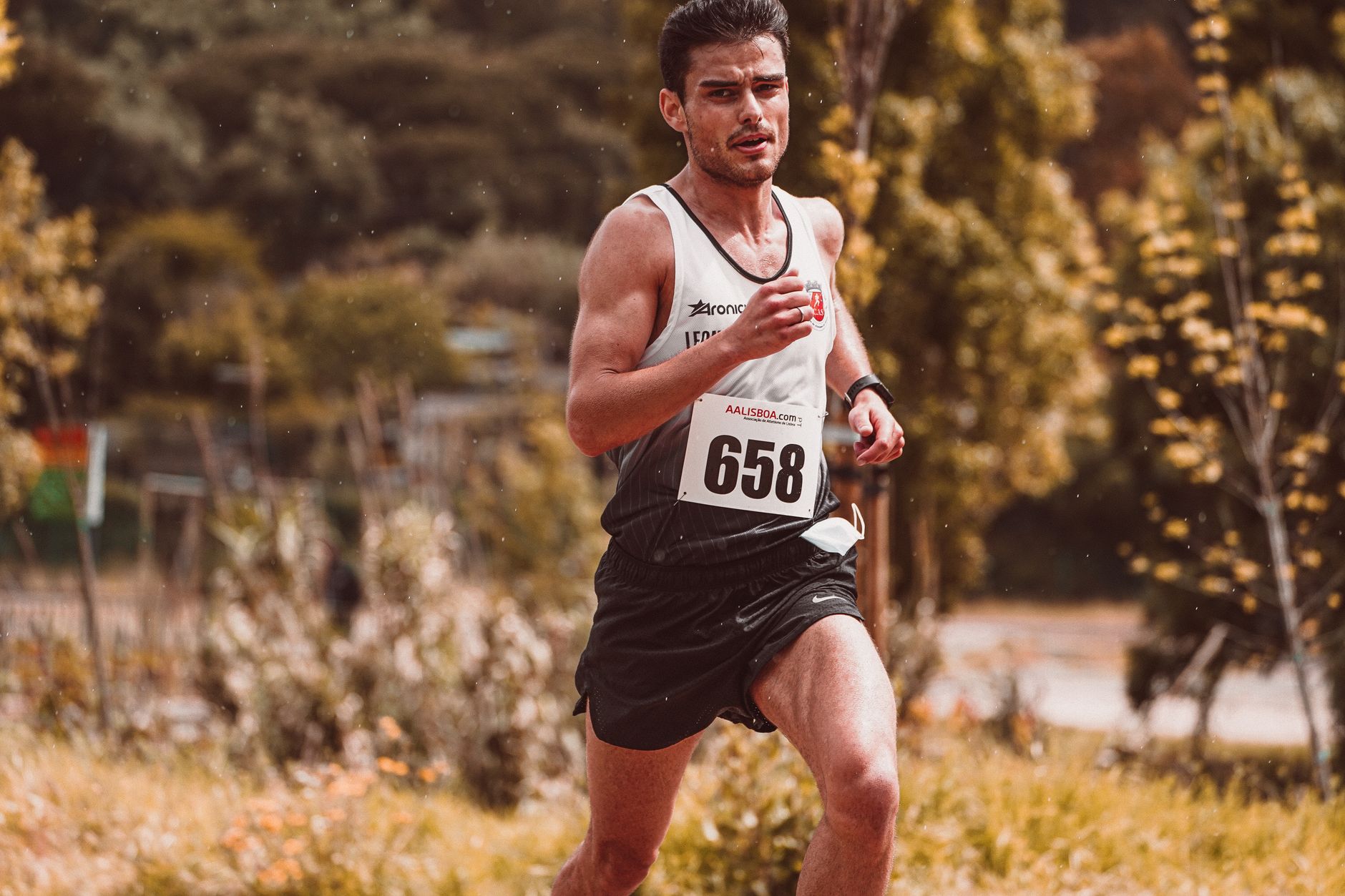
The six core track workouts for distance runners are VO₂max intervals (3–5 min at 3K–5K pace), tempo repeats (2×10–20 min at threshold), 200 m strides, lactate-tolerance reps (400–1000 m at 10K pace), long intervals (1200–1600 m at 5K pace), and race-pace dress rehearsals. Each targets a distinct physiological adaptation, and year-round programming rotates emphasis based…
-
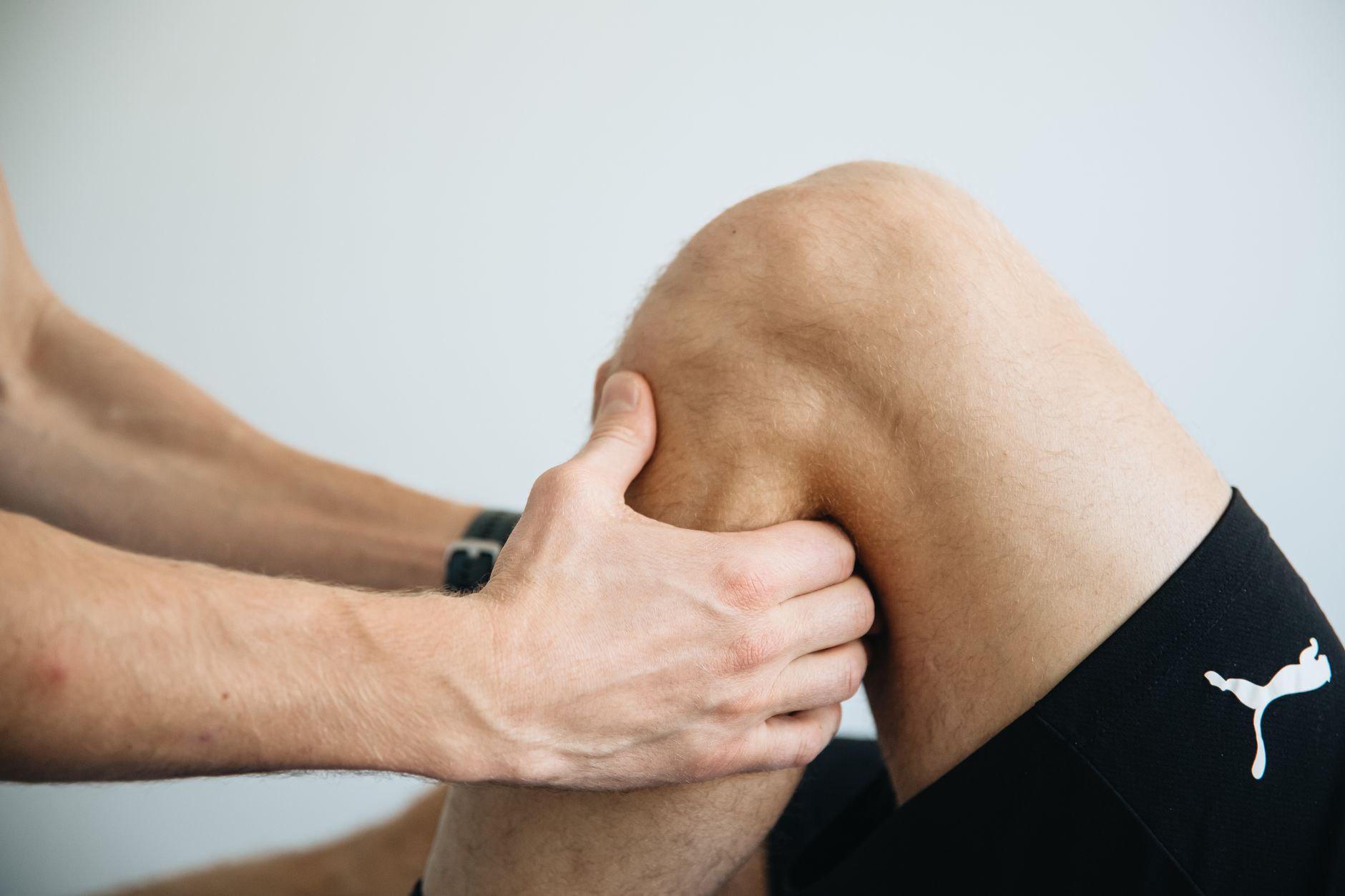
Runner’s knee rehab centers on VMO strengthening, hip abductor work, and patellar mobilization—three pillars supported by biomechanics studies showing that quad-to-hip strength ratios predict symptom resolution within 6-8 weeks.
-
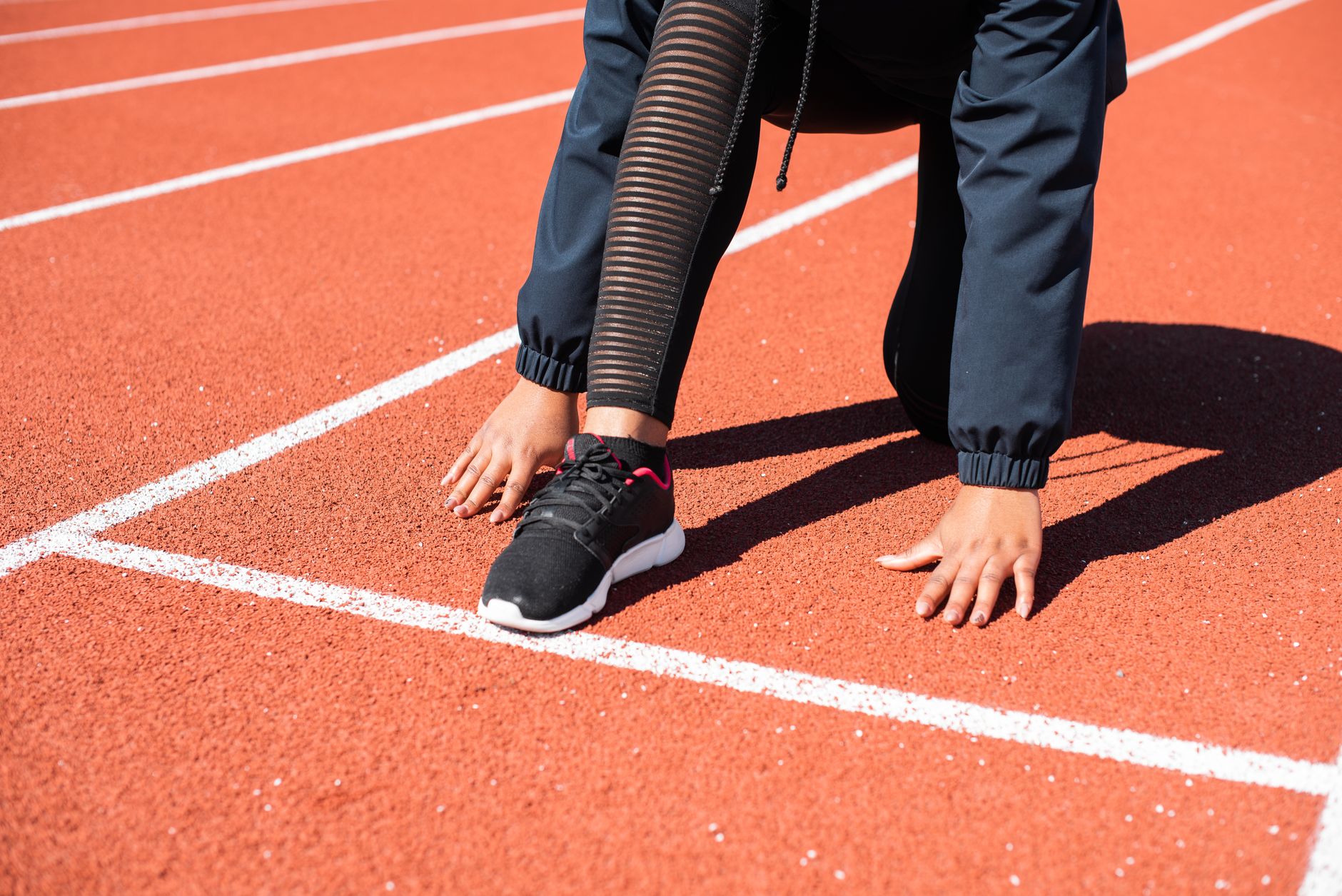
The optimal beginner 5K strategy is negative or even pacing: run the first mile 10-15 seconds slower than goal pace, settle into target pace for mile 2, then push the final kilometer. This approach prevents the glycolytic crash that derails 80% of first-time racers.
-
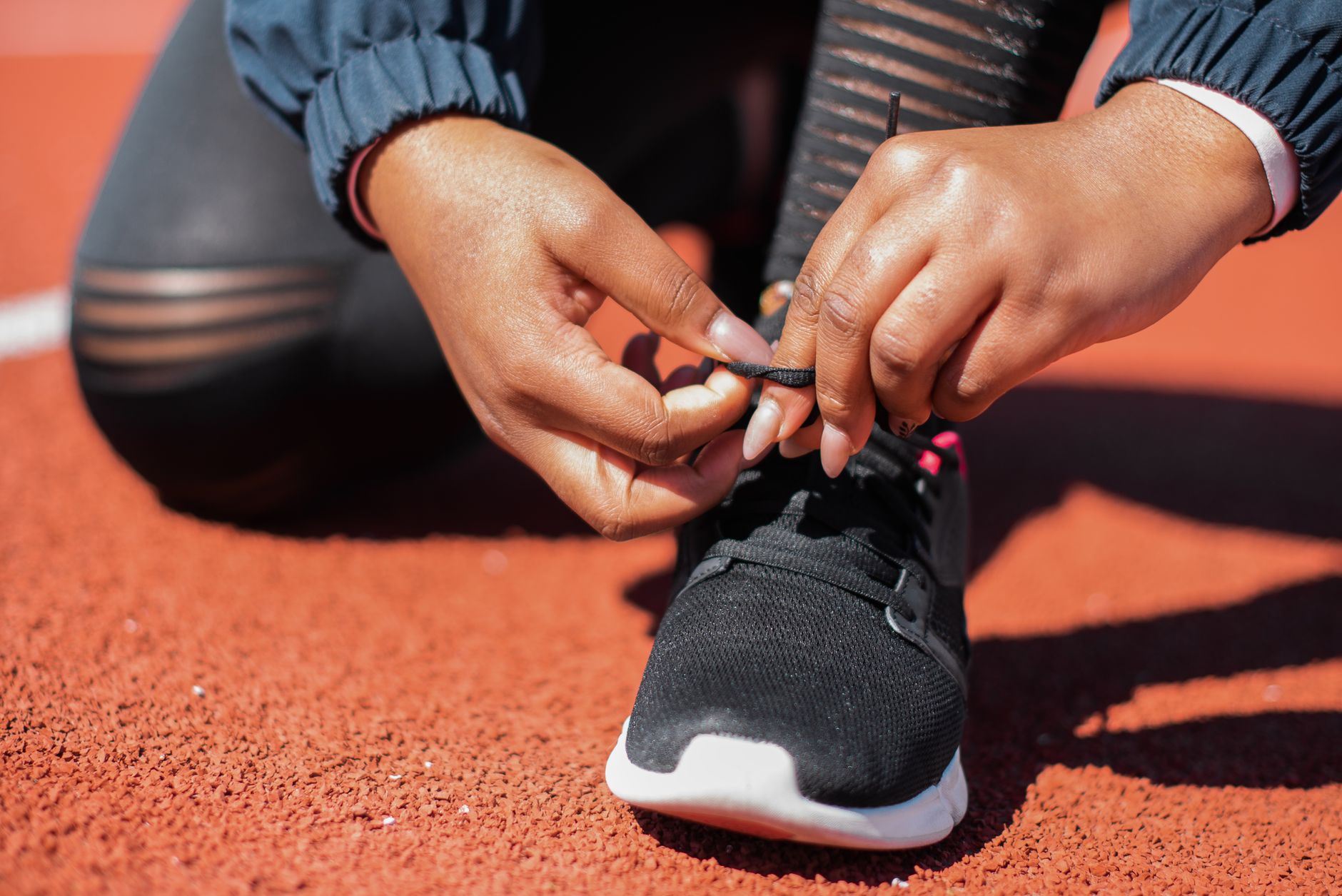
Running shoes are engineered for higher impact forces (2.5-3× body weight per stride) with responsive midsole cushioning and forward-rolling geometry, while walking shoes emphasize heel-to-toe flexibility and lateral stability for the lower-impact, heel-strike dominant motion of walking.

☀
--°
Loading weather...
Detecting location...