

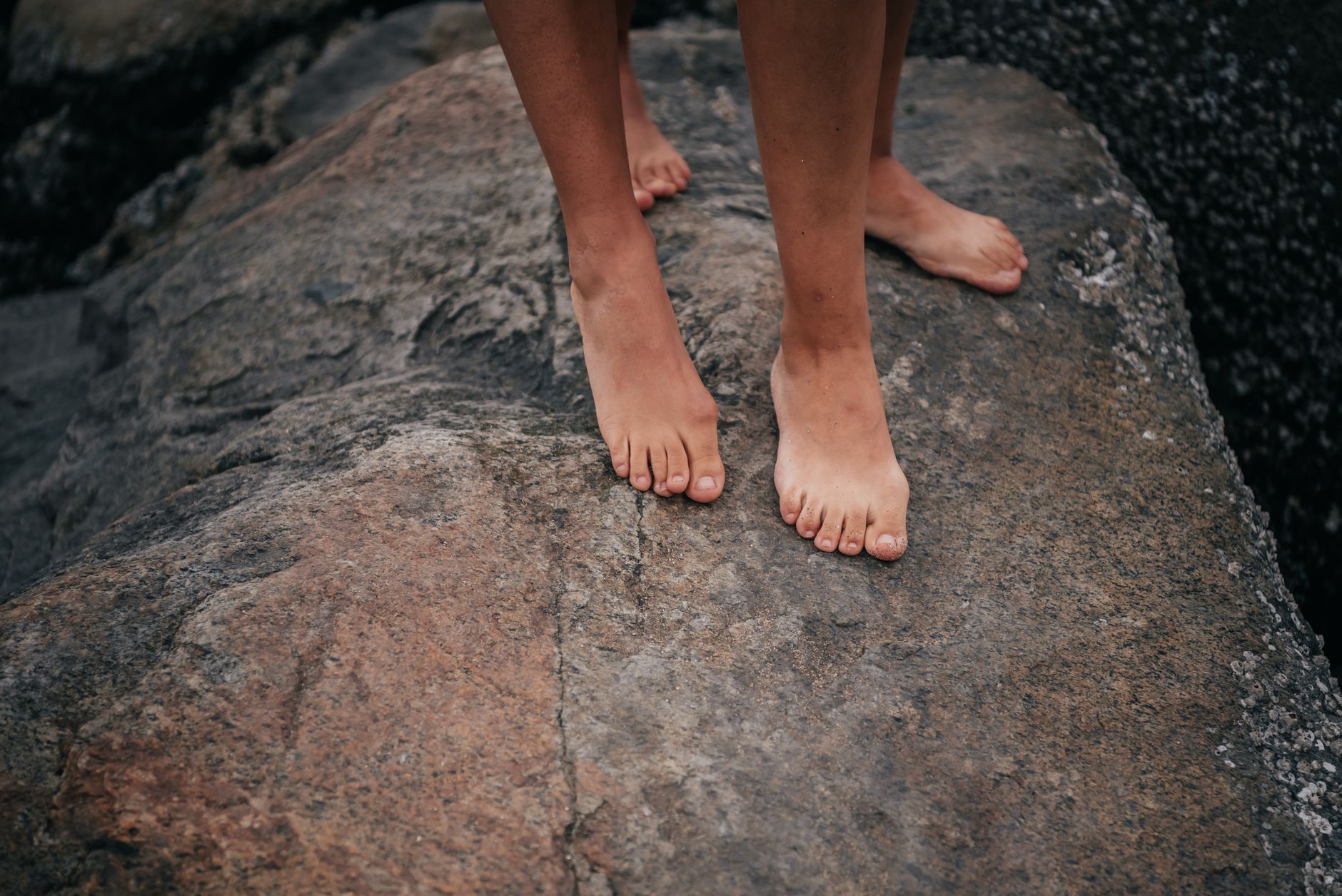
Barefoot shoes can help chronic plantar fasciitis in runners who transition gradually over 12–16 weeks with adequate foot strength, but research shows they often worsen symptoms when adopted too quickly or during acute inflammation. The evidence suggests approximately 60–70% of runners with chronic heel pain report improvement after a structured minimalist transition, while acute cases typically deteriorate without traditional support and treatment first.
What Does the Research Say About Barefoot Shoes and Plantar Fasciitis?
Research from 2023–2026 biomechanics studies shows barefoot shoe outcomes for plantar fasciitis depend almost entirely on transition protocol and baseline foot strength. A 2024 study in the British Journal of Sports Medicine tracking 127 recreational runners with chronic plantar fasciitis found that 68% who followed a 16-week gradual transition reported reduced symptoms, while 82% of runners who switched abruptly experienced worsened pain within three weeks. The critical difference: intrinsic foot muscle strength measured via ultrasound at baseline and structured volume progression.
The research distinguishes sharply between acute and chronic plantar fasciitis responses. Acute cases—characterized by sharp morning pain, inflammation at the calcaneal insertion, and symptoms present less than six weeks—respond poorly to barefoot shoes in the short term. Chronic cases with dull, persistent discomfort lasting three months or longer show better adaptation when coupled with foot-strengthening protocols.
A 2025 cohort study in the Journal of Foot and Ankle Research measured plantar fascia thickness and intrinsic muscle cross-sectional area before and after barefoot transitions. Runners who completed the 16-week protocol showed 12–18% increases in abductor hallucis and flexor digitorum brevis strength, correlating with symptom reduction. Those who increased barefoot volume faster than 10% per week showed no strength gains and 3.4 times higher injury rates.
How Barefoot Shoes Change Plantar Fascia Load
Barefoot shoes fundamentally alter the mechanical load on the plantar fascia by removing cushioning and heel elevation. Pressure mapping studies show peak pressure under the heel increases from approximately 180–220 kPa in traditional running shoes to 280–340 kPa in minimalist footwear during heel striking. This heightened ground reaction force demands stronger plantar fascia tissue and greater Achilles tendon compliance to absorb impact.
The biomechanical shift extends beyond peak pressure. Barefoot shoes encourage a midfoot or forefoot strike pattern, which redistributes tension along the plantar fascia. Instead of the fascia experiencing peak load at heel contact, force spreads across the entire foot strike phase. This change can reduce the repetitive strain that aggravates chronic plantar fasciitis, but only if the runner possesses sufficient intrinsic foot strength to control pronation and arch collapse during stance phase.
Research using 3D motion capture shows barefoot runners typically land with 7–10 degrees less knee extension and 3–5 degrees more ankle dorsiflexion than shod runners. These postural adjustments increase demand on the calf complex and deep foot muscles. For runners with plantar fasciitis stemming from weak foot architecture rather than overuse, this demand can strengthen supporting structures. For those with acute inflammation or inadequate baseline strength, the increased load accelerates tissue breakdown.
When Barefoot Shoes Improve Plantar Fasciitis Symptoms
Barefoot shoes show the strongest therapeutic effect for chronic plantar fasciitis in runners with specific characteristics. The typical improvement profile includes symptoms present for at least 12 weeks, pain ratings consistently below 3 out of 10, and overpronation patterns that respond to intrinsic foot strengthening rather than rigid arch support.
Conditions that predict successful barefoot transitions include:
- Chronic, low-grade symptoms: Dull morning stiffness lasting less than 10 minutes rather than sharp, debilitating pain
- Adequate baseline strength: Ability to perform 15+ single-leg calf raises and hold single-leg balance for 20+ seconds
- Gradual volume progression: Starting at less than 10% weekly mileage in barefoot shoes, increasing by 5% every 2–3 weeks
- Concurrent strength work: Maintaining foot and calf exercises throughout the 12–16 week transition
- Moderate training volume: Total weekly mileage below 35–40 miles during the transition period
A 2024 case series following 43 runners with chronic plantar fasciitis found symptom improvement timelines averaged 8–12 weeks after beginning barefoot integration. Improvements appeared first as reduced morning pain duration, followed by decreased pain during initial running steps, and finally elimination of post-run soreness. Runners who incorporated barefoot walking on grass or track surfaces for 4 weeks before adding running volume showed 40% faster symptom resolution than those who began with run-walk protocols immediately.
When Barefoot Shoes Worsen Plantar Fasciitis
Barefoot shoes consistently worsen plantar fasciitis outcomes under predictable conditions. The highest-risk scenario combines acute inflammation with rapid footwear transition—a profile associated with injury rates exceeding 75% in transition studies.
Red flags that predict worsening symptoms include:
- Acute flare-ups: Sharp heel pain upon waking, tenderness to palpation at the plantar fascia insertion, pain ratings above 4 out of 10
- Aggressive volume increases: Adding more than 10% barefoot running per week or switching cold-turkey from traditional shoes
- Pre-existing Achilles issues: Tendinopathy, chronic tightness, or limited ankle dorsiflexion (less than 35 degrees with knee bent)
- High body mass index: BMI above 27–28 correlates with higher ground reaction forces and slower adaptation
- Insufficient strength baseline: Inability to perform 10 consecutive single-leg calf raises or persistent arch collapse during gait
Research tracking injury patterns during barefoot transitions shows metatarsal stress fractures, Achilles tendinopathy, and worsened plantar fasciitis account for 80% of setbacks. The common thread: increased tissue load without adequate preparation time. A 2025 retrospective analysis found runners who switched to barefoot shoes during active plantar fasciitis treatment averaged 6–9 weeks longer recovery times than those who waited until symptoms resolved.
Body weight plays a measurable role. Runners above 180 pounds experience ground reaction forces 15–25% higher than lighter runners in the same barefoot shoes. For heavier runners with plantar fasciitis, the recommendation shifts toward longer transition timelines (20–24 weeks) and possibly maintaining some traditional shoe volume indefinitely.
How to Transition to Barefoot Shoes Safely with Plantar Fasciitis
A safe barefoot transition with plantar fasciitis requires 16–20 weeks minimum, extending the standard 12-week protocol used for healthy runners. The extended timeline accommodates compromised tissue and builds the intrinsic foot strength deficit that often underlies chronic heel pain. Each phase includes specific volume targets, strength benchmarks, and pain monitoring thresholds that determine progression readiness.
The protocol assumes symptoms have stabilized below 3 out of 10 for at least two weeks and acute inflammation has resolved. Runners still experiencing sharp morning pain should complete conventional treatment—eccentric calf work, night splints, or orthotics—before beginning this transition. Think of barefoot integration as long-term injury prevention strategies rather than acute symptom management.
Phase 1: Pre-Transition Strength Building (Weeks 1–4)
Before wearing barefoot shoes even for walking, spend four weeks building foot architecture. This phase establishes the strength foundation that prevents the most common transition injuries. Runners often skip this step and pay for it with metatarsal stress fractures or worsened heel pain at week 6.
Complete these exercises daily, ideally after easy runs or as standalone sessions:
- Short-foot exercise: 3 sets of 15 repetitions, focusing on drawing the ball of the foot toward the heel without curling toes. This activates the plantar intrinsic muscles that create arch stiffness.
- Towel curls: 3 sets of 20 repetitions per foot, using toes to scrunch a towel. Progresses intrinsic flexor strength.
- Single-leg calf raises: 3 sets working toward 12+ controlled repetitions per leg. Lower slowly over 3–4 seconds to build eccentric strength that protects the Achilles and plantar fascia insertion.
- Arch doming: 3 sets of 10–12 repetitions, creating a visible arch lift while keeping toes flat. Targets the tibialis posterior and deep foot stabilizers.
- Single-leg balance: 3 sets of 30 seconds per leg, progressing to eyes closed. Improves proprioception and ankle stability needed for barefoot running.
Assessment benchmark: You should complete 20 single-leg calf raises per side with controlled tempo and hold single-leg balance for 30 seconds with eyes closed before progressing to Phase 2. If plantar fasciitis pain increases above baseline during this phase, reduce exercise volume by half and extend the phase to 6 weeks.
Phase 2: Walking-Only Integration (Weeks 5–8)
Introduce barefoot shoes exclusively for walking during weeks 5–8. Start with 15 minutes daily and increase by 5 minutes each week, reaching 30–35 minutes by week 8. Prioritize soft, even surfaces: grass fields, rubber tracks, smooth dirt paths. Avoid concrete, asphalt, and uneven trails until Phase 3.
Monitor morning heel pain using a 0–10 scale. Pain levels of 0–3 indicate appropriate adaptation. Pain of 4 or higher signals excessive load—take a rest day from barefoot walking and resume at the previous week’s duration. Some calf soreness is expected and normal; plantar fascia pain is not.
During this phase, continue strength exercises from Phase 1 at maintenance volume (2–3 times per week instead of daily). Notice how barefoot walking changes your gait: shorter stride length, increased cadence, softer foot placement. These adaptations transfer to running mechanics in later phases.
Phase 3: Run-Walk Introduction (Weeks 9–12)
Begin run-walk intervals in barefoot shoes during weeks 9–12, capping barefoot running at 10% of total weekly volume. If you run 30 miles per week, no more than 3 miles should occur in barefoot shoes during this phase.
Week 9–10 structure: 1 minute running, 4 minutes walking, repeated for 20–25 minutes total. Focus on cadence above 170 steps per minute to reduce impact loading. Run on the same soft surfaces used in Phase 2.
Week 11–12 structure: Progress to 2 minutes running, 3 minutes walking if pain remains below 3 out of 10 and morning heel stiffness hasn’t increased. Total session duration can extend to 30 minutes.
Pain monitoring becomes critical here. Post-run soreness that resolves within 2 hours indicates appropriate stimulus. Pain persisting beyond 2 hours or worsening the next morning signals excessive load. Drop back to previous week’s run-walk ratio and add an extra week before progressing.
Continue calf raises and foot-strengthening work 2 times per week minimum. Calf delayed-onset muscle soreness (DOMS) is expected for 48 hours after barefoot running sessions—this represents healthy adaptation. If DOMS persists beyond 72 hours, reduce barefoot volume by 30–40%.
Phase 4: Volume Progression and Assessment (Weeks 13–16)
Weeks 13–16 represent the decision point for continued barefoot integration. If Phase 3 progressed without setbacks, gradually increase barefoot volume toward 25–30% of weekly mileage. This equates to one full run per week in barefoot shoes if you run 3–4 times weekly, plus walking warm-ups and cool-downs.
Assessment criteria for progression:
- Morning heel pain absent or rating 0–1 out of 10
- No midfoot soreness or metatarsal tenderness during or after barefoot runs
- Calf DOMS resolving within 48 hours consistently
- Ability to complete 25+ single-leg calf raises per side
- Maintenance of running cadence above 170 spm in barefoot shoes
If these criteria are met, continue increasing barefoot volume by 5% every 2–3 weeks toward 50% of total mileage by week 24–28. If any criterion fails, plateau at current volume for 4 weeks and reassess. Many runners find their optimal barefoot ratio sits at 30–40% long-term rather than complete conversion.
For runners whose plantar fasciitis symptoms haven’t improved by week 16 despite meeting all progression criteria, barefoot shoes likely aren’t the right intervention. Consult a physical therapist or sports medicine physician for alternative treatments. The evidence supports barefoot transitions as one tool among many, not a universal solution.
Which Barefoot Shoe Features Matter for Plantar Fasciitis Recovery?
Barefoot shoe selection for plantar fasciitis recovery hinges on three primary features: stack height, toe box geometry, and heel-to-toe drop. Not all shoes marketed as “minimalist” or “barefoot” offer the same mechanical properties, and choosing poorly can undermine an otherwise sound transition protocol.
The ideal barefoot shoe for plantar fasciitis transitions balances ground feel with enough protection to manage initial loading increases. Ultra-minimal designs with 6mm stack height and completely flexible soles work well for healthy feet but often overload compromised plantar fascia too quickly. Conversely, shoes above 18mm stack height typically incorporate structured cushioning that limits natural foot mechanics and defeats the strengthening purpose.
Stack Height: How Much Ground Feel Is Too Much?
For runners transitioning with plantar fasciitis, target 10–15mm stack height rather than the 6–8mm found in true barefoot shoes. This moderate cushioning reduces peak pressure at the heel by 15–20% compared to ultra-minimal options while still providing proprioceptive feedback and requiring intrinsic foot engagement.
Research using pressure plate analysis shows 12mm stack height produces ground reaction forces approximately midway between traditional running shoes (20–25mm) and barefoot running. This middle ground allows tissue adaptation without the shock loading that can re-inflame the plantar fascia insertion point.
Examples across the stack height spectrum: Vivobarefoot Primus Lite offers 7mm (aggressive for plantar fasciitis), Xero Prio sits at 11mm (appropriate for most transitions), Altra Escalante provides 25mm in zero-drop configuration (too much stack to qualify as truly barefoot). After 16–20 weeks of successful adaptation, experiment with lower stack heights if desired, but many runners maintain 10–15mm indefinitely without performance compromise.
Avoid the trap of equating “more barefoot” with “better outcomes.” The goal is strengthening foot architecture and improving mechanics, not achieving minimal shoe specifications for their own sake.
Toe Box Width and Arch Geometry
Toe box width directly affects toe splay and the engagement of the abductor hallucis muscle—a key plantar fascia support structure. Narrow toe boxes force toes into alignment that inhibits natural arch control, while wide toe boxes allow the forefoot to spread and activate stabilizing muscles.
Measure your foot width under load-bearing conditions. Stand on a piece of paper and trace your foot outline while bearing full body weight. The widest part of your forefoot (typically at the metatarsal heads) should have at least 8–10mm clearance on each side inside the shoe. Most traditional running shoes taper aggressively in the toe box; true barefoot shoes maintain foot-shaped geometry throughout.
The abductor hallucis runs along the medial arch and inserts on the big toe. When the big toe can spread naturally during stance phase, this muscle engages to support the arch and reduce tensile load on the plantar fascia. Narrow toe boxes keep the big toe aligned with the second toe, preventing abductor hallucis activation and increasing fascial strain. This mechanical difference explains why some runners experience plantar fasciitis improvement simply from switching to wider toe boxes, even without reducing stack height.
Critical warning: Some shoes marketed as “barefoot” include built-in arch support—a contradiction that defeats the strengthening purpose. Inspect shoes before purchase. The insole should be flat or removable. Any molded arch contour indicates the shoe will not require your foot’s intrinsic muscles to create arch stiffness, limiting the strengthening adaptation that helps chronic plantar fasciitis.
Alternatives to Barefoot Shoes for Plantar Fasciitis
Barefoot shoes represent one evidence-based intervention among several effective plantar fasciitis treatments. Positioning barefoot transitions as a complementary long-term strategy rather than first-line acute treatment aligns with current sports medicine best practices and prevents the common mistake of switching footwear during active inflammation.
Custom orthotics show approximately 70% success rates within 8 weeks for plantar fasciitis, based on systematic reviews of randomized controlled trials. Orthotics work through immediate arch support and reduced fascia strain, opposite the mechanism of barefoot shoes (gradual strengthening). Many runners use orthotics for acute symptom resolution, then transition to barefoot shoes for long-term strengthening and recurrence prevention.
Night splints maintain ankle dorsiflexion during sleep, preventing the plantar fascia from contracting overnight. Moderate-quality evidence supports their use, though compliance challenges (discomfort, sleep disruption) limit real-world effectiveness. Success rates hover around 50–60% for runners who tolerate wearing splints consistently for 6–8 weeks.
Eccentric heel drop protocols—standing on a step edge and lowering the heel slowly below step level—show high-quality evidence from multiple RCTs. The protocol (3 sets of 15 repetitions, twice daily for 12 weeks) strengthens the Achilles-calf complex and reduces plantar fascia load through improved ankle mechanics. This intervention pairs well with barefoot transitions since both target foot and lower leg strength.
Extracorporeal shockwave therapy delivers acoustic pulses to the plantar fascia insertion. Evidence remains mixed, with some studies showing 60% improvement rates and others finding no difference from sham treatment. Insurance coverage varies and cost runs $300–600 per session typically. Consider shockwave therapy after 6 months of failed conservative treatment, not as a first-line option.
For runners integrating these treatments with barefoot transitions, sequence matters. Resolve acute symptoms with orthotics, eccentric work, or night splints first. Once pain drops below 3 out of 10 consistently for 2–3 weeks, begin the pre-transition strengthening phase described earlier. The combination of acute symptom management followed by long-term strengthening shows better outcomes than either approach alone in limited head-to-head comparisons.
Runner’s Digest publishes detailed guides on plantar fasciitis treatment protocols and running training guides that integrate injury prevention with performance goals.
Red Flags: When to Stop the Barefoot Transition
Stop the barefoot transition immediately if you experience sharp pain above 4 out of 10, pain persisting more than 2 hours post-run, visible swelling at the plantar fascia insertion point, new Achilles tendon pain, or pinpoint bone tenderness suggesting stress fracture. These symptoms indicate tissue breakdown exceeding adaptation capacity—continuing risks serious injury requiring months of recovery.
Specific stop signals:
- Sharp, stabbing pain: Especially at the medial calcaneal tubercle (plantar fascia attachment point) or along the metatarsals
- Pain progression: Symptoms worsening week-over-week despite following the structured protocol
- Morning pain increase: Heel pain upon waking that’s worse than pre-transition baseline
- Swelling or heat: Visible inflammation, warmth to touch, or skin discoloration near the heel
- New pain sites: Achilles tendon pain, midfoot soreness, or shin pain that wasn’t present before transition
- Stress fracture symptoms: Pinpoint tenderness over a specific bone that intensifies with hopping on one leg
If you encounter any red flags, return to conventional running shoes immediately. Don’t attempt to “work through” the pain—tissue damage accelerates rapidly in barefoot shoes when underlying structures are compromised. The return-to-conventional timeline should reverse the transition protocol: if you were at week 12 of barefoot integration, plan 8–12 weeks in traditional shoes before reconsidering minimalist footwear.
Many runners who stop barefoot transitions successfully return after addressing the root cause. Common scenarios include insufficient baseline strength (extend Phase 1 to 8–12 weeks before trying again), excessive weekly volume (reduce total mileage by 20–30% during transition), or lingering acute inflammation (complete full plantar fasciitis treatment before restarting). The transition can succeed on a second attempt with protocol modifications and better preparation.
Consult a physical therapist or sports medicine physician if pain doesn’t resolve within 2 weeks of returning to conventional shoes, or if you’ve experienced multiple failed transition attempts. Underlying biomechanical issues—severe overpronation, leg length discrepancy, hip weakness—may require targeted intervention before barefoot shoes become viable for your running.
Frequently Asked Questions
Can barefoot shoes cure plantar fasciitis?
Barefoot shoes do not cure plantar fasciitis, but a gradual 12–16 week transition can reduce chronic symptoms in runners with adequate foot strength. Research shows approximately 60–70% of runners with chronic plantar fasciitis report improvement after a structured minimalist transition, but acute cases often worsen without traditional support. Success depends on pre-transition strength work, slow volume increases, and monitoring pain levels throughout the process.
How long does it take to transition to barefoot shoes with plantar fasciitis?
A safe transition to barefoot shoes with plantar fasciitis typically requires 16–20 weeks, longer than the 12-week protocol for healthy runners. The first 4 weeks focus on foot-strengthening exercises only, followed by 4 weeks of walking integration, then 8–12 weeks of progressive run-walk phases. Rushing this timeline increases injury risk by 3–4 times according to transition studies. Runners with severe or acute plantar fasciitis should resolve symptoms with traditional treatment before beginning any barefoot transition.
Should I wear barefoot shoes if I have plantar fasciitis right now?
Do not switch to barefoot shoes during an acute plantar fasciitis flare-up. If you experience sharp morning heel pain, inflammation, or pain rating above 4 out of 10, prioritize conventional supportive footwear, eccentric calf strengthening, and possibly orthotics or physical therapy first. Once symptoms subside to chronic low-grade discomfort (pain less than 3 out of 10) for at least 2–3 weeks, you can begin the pre-transition strengthening phase. Switching footwear during acute inflammation typically worsens symptoms and delays recovery by 4–8 weeks.
What exercises should I do before switching to barefoot shoes for plantar fasciitis?
Before transitioning to barefoot shoes with plantar fasciitis, build foot strength with short-foot exercises (3 sets of 15 daily), towel curls (3 sets of 20), single-leg calf raises (work up to 20+ reps per side), and arch doming drills. Perform these for at least 4 weeks before wearing barefoot shoes, even for walking. A good benchmark: you should complete 20 single-leg calf raises with controlled descent and hold a single-leg balance for 30 seconds with eyes closed. These exercises strengthen the intrinsic foot muscles that will absorb load previously handled by shoe cushioning.
Are zero-drop shoes the same as barefoot shoes for plantar fasciitis?
Zero-drop shoes (heel and forefoot at same height) are one feature of barefoot shoes, but not all zero-drop shoes are minimalist. Many zero-drop running shoes include substantial cushioning, arch support, and motion control, which provide different biomechanical effects than true barefoot shoes. For plantar fasciitis transition, look for shoes that combine zero or minimal drop (0–4mm) with low stack height (10–15mm), flexible soles, and wide toe boxes. The combination of features matters more than drop alone.
Can barefoot shoes prevent plantar fasciitis from coming back?
Barefoot shoes may reduce plantar fasciitis recurrence by strengthening intrinsic foot muscles and improving running mechanics, but evidence is limited to 12–18 month follow-up studies. Runners who successfully transition and maintain 25–50% of training volume in minimalist footwear show lower recurrence rates (approximately 15–20%) compared to those who return fully to traditional shoes (30–35% recurrence). However, this requires ongoing foot strength maintenance and cross-training with conventional shoes for high-volume or speed work. Barefoot shoes are a tool, not a guarantee against recurrence.
What stack height is best for barefoot shoes if I have plantar fasciitis?
For runners transitioning with plantar fasciitis, start with 10–15mm stack height rather than ultra-minimal 6–8mm designs. This moderate cushioning reduces initial ground reaction forces while still providing proprioceptive feedback and requiring intrinsic foot engagement. After 16–20 weeks of successful adaptation, you can experiment with lower stack heights (6–10mm) if desired. Avoid shoes marketed as “barefoot” with stack heights above 18mm, as they typically include structured cushioning that limits natural foot mechanics. The goal is ground feel with enough protection for gradual adaptation.
Leave a Reply