
☀
--°
Loading weather...
Detecting location...
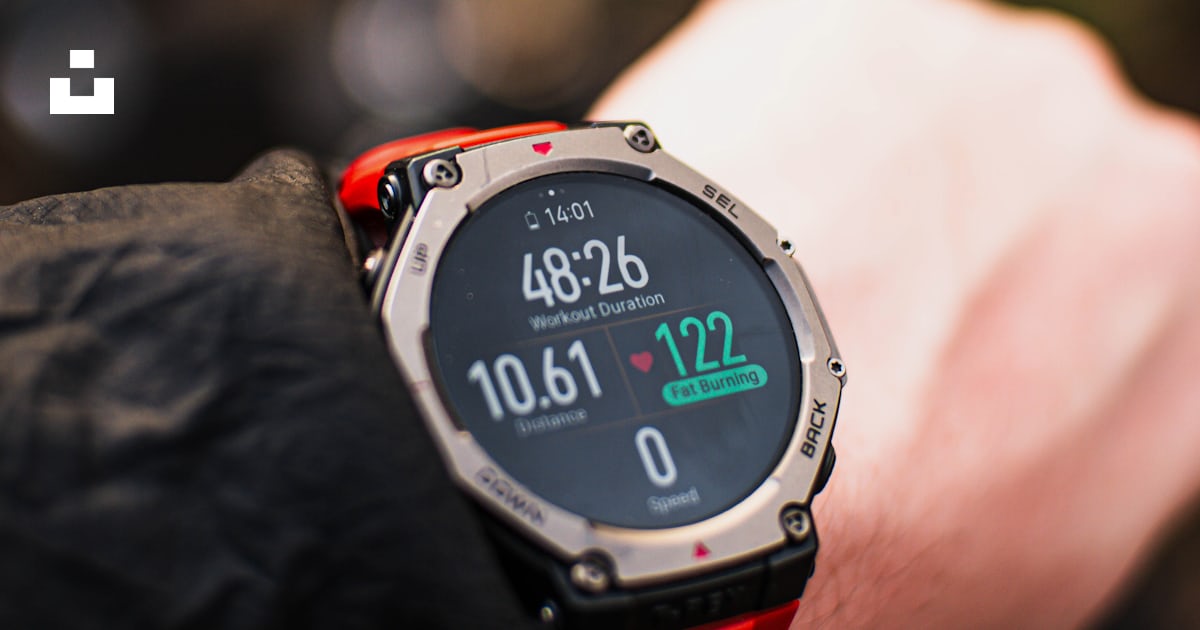
Why does your heart rate climb 10-20 bpm during a long run even when your pace stays the same? It’s called cardiac drift, and it’s not a fitness problem—it’s a window into how your body handles heat, hydration, and fatigue.

The 180 steps-per-minute target gets repeated everywhere, but the latest 2025 biomechanics research tells a more useful story. Here’s how to find your baseline, raise it safely, and get the injury and efficiency benefits without chasing a magic number.

Spring is the bridge season for runners — here’s how to add trail miles to your weekly mix without trashing your base or your ankles. Pace, shoes, ankles, hydration, and a sustainable weekly setup.

Pollen season can tank your workouts and make easy runs feel like tempo efforts. Here is the training playbook — when to run, what to wear, when to dose meds, and how to eat and recover — to keep your fitness intact through peak allergy weeks.

A well-designed 2-3 day strength routine can improve running economy, cut injury rates, and shave real minutes off your race times. Here are the six moves that actually transfer to running, why they work, and how to fit them into your week without sabotaging your long run.

Zone 2 training has gone mainstream in 2026 — and for good reason. Here’s why slowing down could be the fastest way to improve your running this spring.

As spring temperatures climb and summer looms, runners everywhere face the same annual challenge: how do you keep logging quality miles when the heat cranks up? Whether you’re training for a fall marathon or simply trying to maintain your fitness through the warmer months, understanding heat acclimation can make the difference between thriving and merely…

If you want to get faster, easy miles alone won’t cut it. Interval training — structured periods of hard effort followed by recovery — is the most efficient way to boost your VO2max, improve running economy, and drop your race times. Why Intervals Work Interval training pushes your cardiovascular system to its limits, forcing adaptations…

Training for a marathon is one of the most rewarding challenges a runner can take on. But without a structured plan, those 26.2 miles can feel impossible. Whether you’re targeting your first marathon or chasing a PR, the right training plan makes all the difference. The Foundation: Base Mileage Before you even think about marathon-specific…
