
-

Spring allergies trigger airway inflammation that reduces VO2 max by 10-25% and disrupts sleep-driven recovery. Strategic antihistamine timing, pre-run nasal saline rinses, and pollen-aware route planning let you maintain training load without compounding immune stress.
-
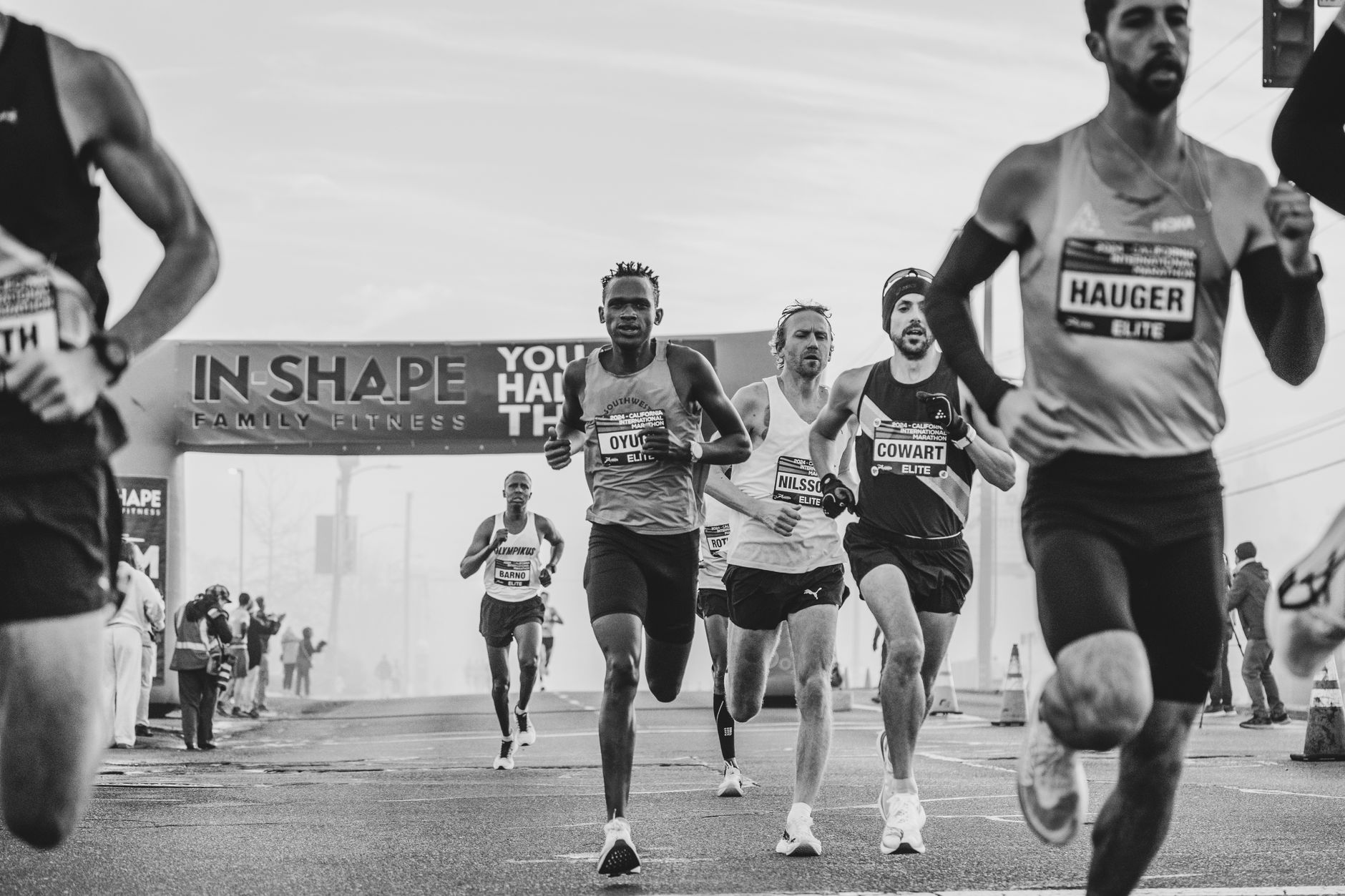
Elite marathon races offer a masterclass in pacing discipline, mid-race fueling windows, and environmental adaptation that recreational runners can scale to their own training. The same physiological principles—cadence stability, carbohydrate timing, and effort distribution—apply whether you’re chasing 2:02 or 4:02.
-

Research shows single-leg squats, calf raises, hip thrusts, Nordic curls, lateral band walks, and core anti-rotation drills directly improve running economy by 3-8% and cut injury rates by 30-50% when performed twice weekly.
-
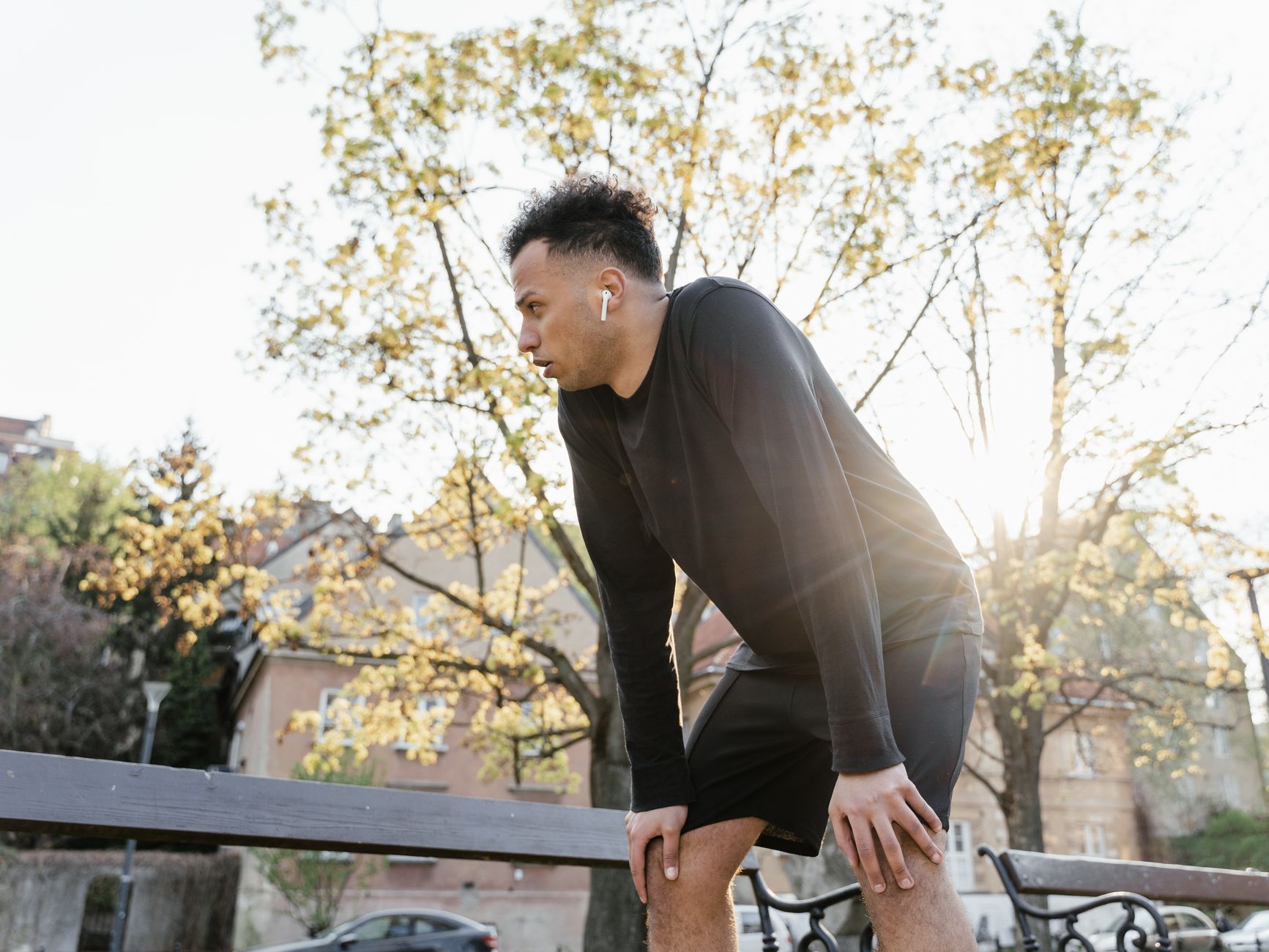
Post-marathon recovery requires 3-4 weeks of structured rest and rebuilding. Research shows runners who follow a phased return—active recovery, light running, base rebuilding, then intensity—reduce injury risk by up to 60% compared to immediate hard training.
-

Runners over 40 should extend recovery windows by 24–48 hours between hard sessions, prioritize twice-weekly strength work targeting eccentric load, and shift volume from high-mileage weeks to consistent moderate blocks with strategic intensity.
-

A marathon pace chart translates your goal finish time into the per-mile or per-kilometer pace you need to hold. For example, a 4:00:00 marathon requires 9:09 per mile or 5:41 per km—but real-world execution demands negative-split strategy and perceived-effort calibration.
-

Beginner fartlek workouts should start with a 4:1 easy-to-hard ratio—4 minutes easy jogging followed by 1 minute at comfortably hard effort—repeated 4-6 times after a 10-minute warmup. This unstructured speed play improves lactate threshold and running economy without the injury risk of traditional track intervals.
-
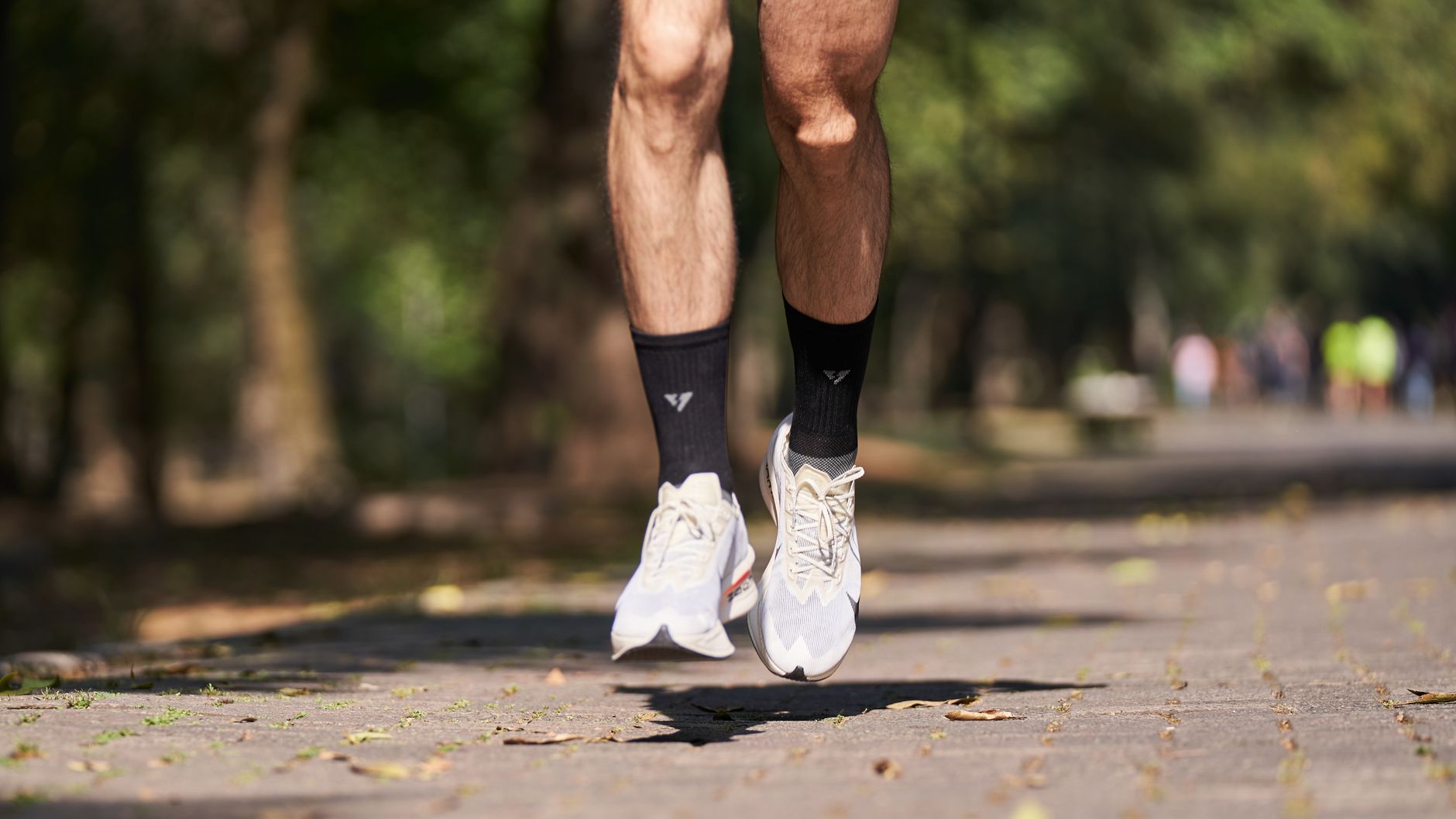
The most effective blister-prevention running socks combine seamless toe boxes, moisture-wicking synthetic or merino blends, and anatomical fit that eliminates excess fabric movement. Research shows friction and moisture are the two primary blister triggers runners can control through sock choice.
-
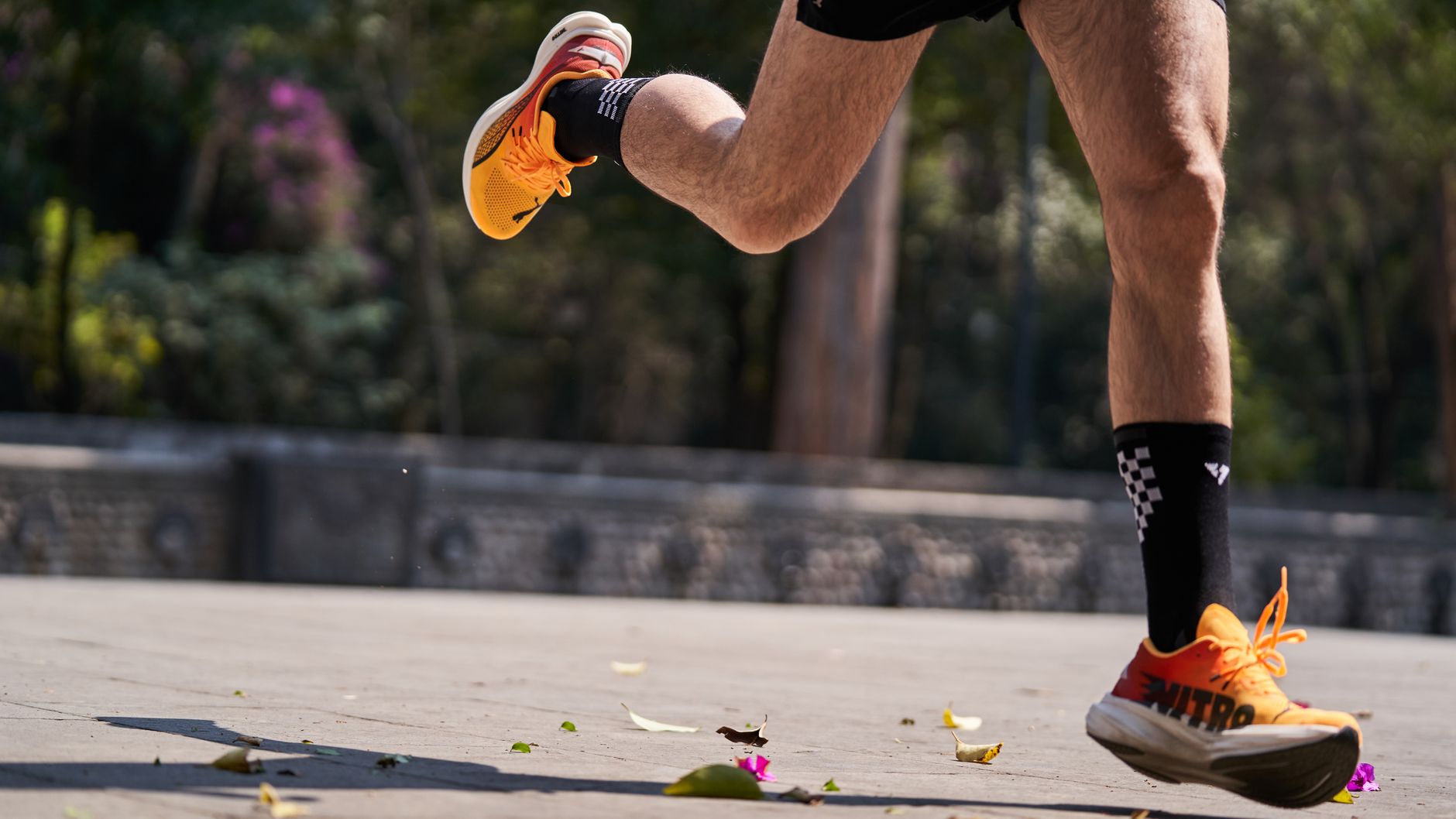
Preventing Achilles tendonitis requires eccentric calf loading 2-3× weekly, limiting weekly mileage increases to 10%, rotating shoe drop heights, and recognizing morning stiffness as the earliest intervention window.
-
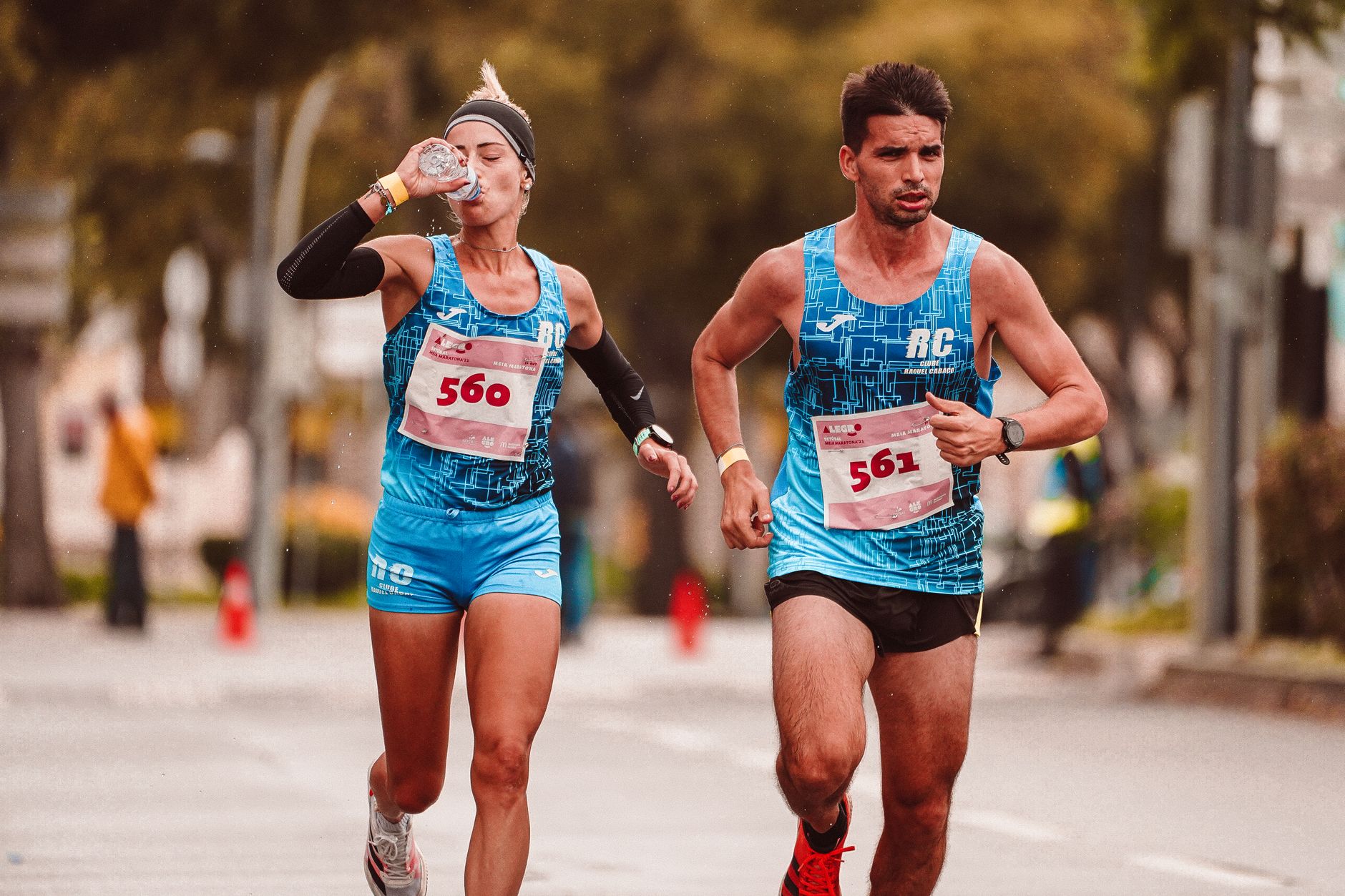
The best hydration strategy for long runs matches fluid intake to individual sweat rate (typically 400–800 mL/hour), includes sodium at 300–600 mg/hour for efforts over 90 minutes, and begins hydration 2–4 hours before the run with 5–7 mL per kg of body weight.

☀
--°
Loading weather...
Detecting location...