
☀
--°
Loading weather...
Detecting location...

Chronic overtraining raises baseline cortisol while flattening the normal exercise spike, a hallmark of hypothalamic-pituitary-adrenal (HPA) axis dysfunction. Research shows elevated morning cortisol in overtrained endurance athletes can persist for 4–12 weeks without adequate rest.

Overreaching is a temporary performance decline lasting days to two weeks that reverses with rest. Overtraining syndrome is a systemic, multi-month condition marked by hormonal disruption, mood disturbance, and immunity decline that demands structured medical recovery.

Recovering from overtraining typically requires 4-12 weeks of structured rest and reduced volume, depending on severity. Research shows functional overreaching resolves in 1-2 weeks, while overtraining syndrome demands 6-12 weeks with progressive reintroduction protocols.
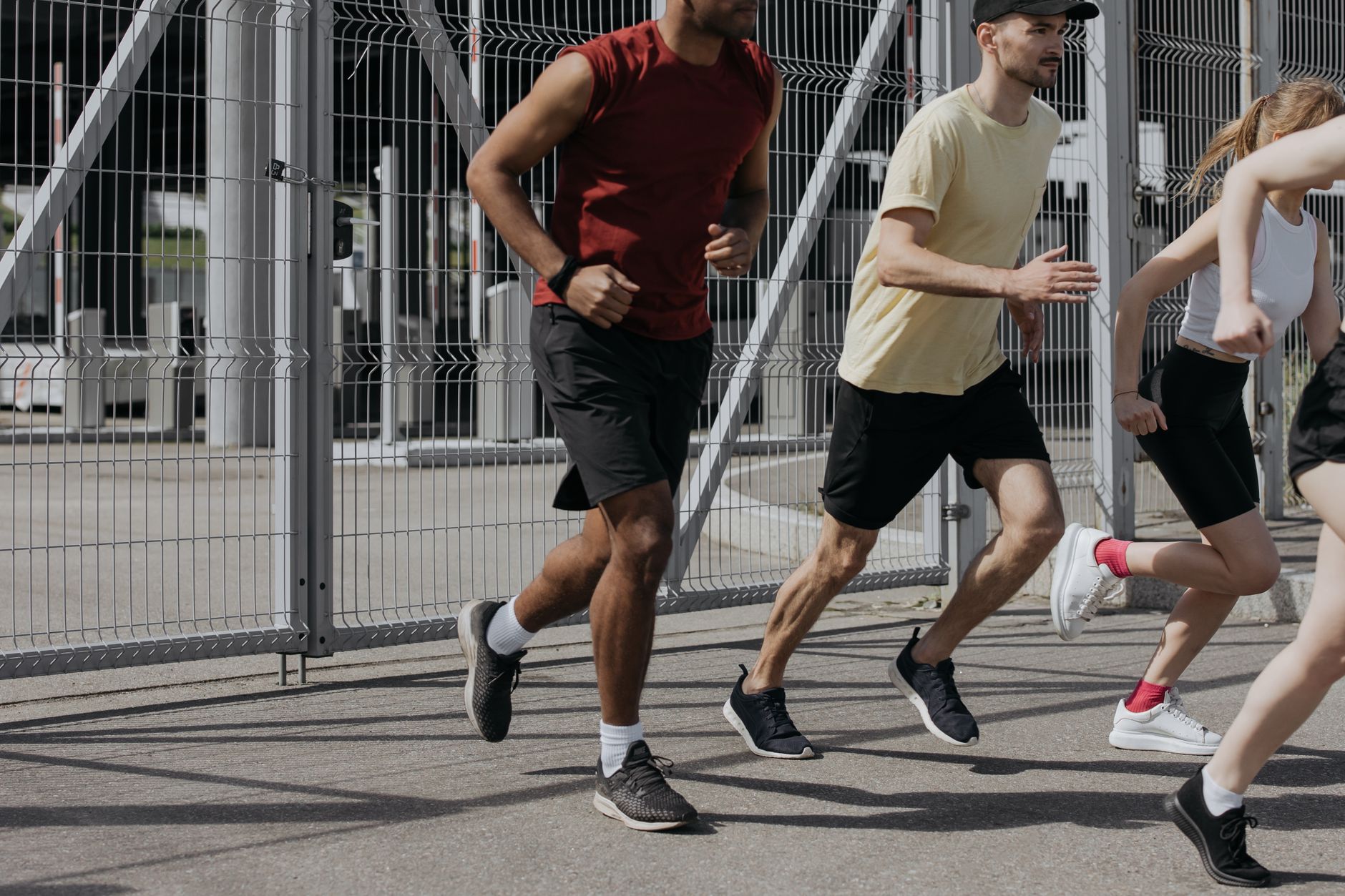
The seven core types of running training are easy runs, long runs, tempo runs, interval training, hill repeats, fartlek runs, and recovery runs. Each targets distinct physiological adaptations—aerobic base, lactate threshold, VO₂ max, neuromuscular power—and combining them strategically builds speed, endurance, and durability.

Barefoot shoes can help plantar fasciitis in runners with adequate foot strength who transition gradually over 12-16 weeks, but may worsen symptoms when adopted too quickly or during acute inflammation.

The most effective trail and ultra training plans build aerobic base over 12–24 weeks, incorporate weekly vertical gain progressions of 10–15%, and balance long runs with back-to-back sessions to teach downhill resilience and metabolic flexibility.
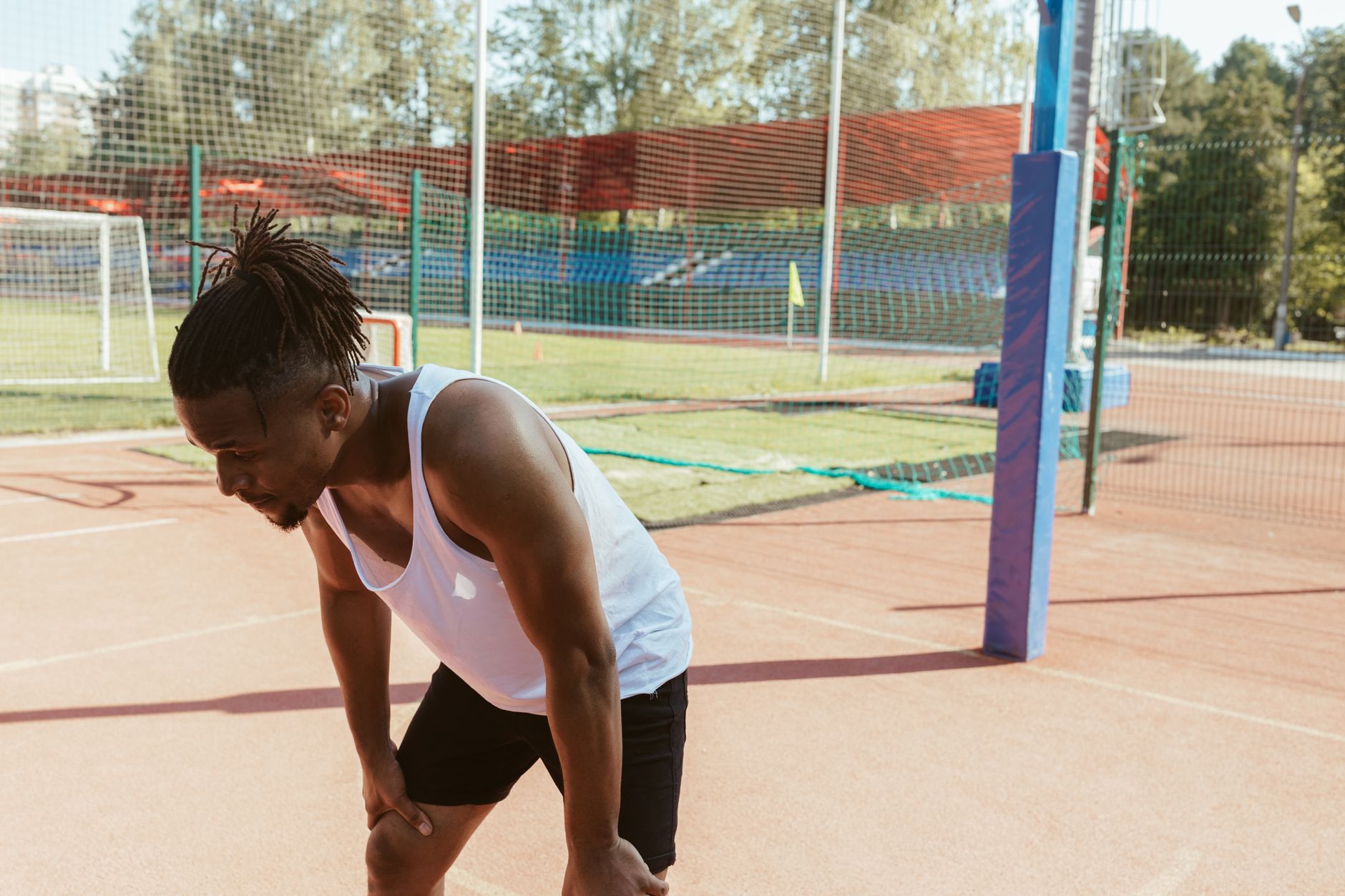
Most runners need 48–72 hours between intense workouts to allow glycogen resynthesis, muscle repair, and neuromuscular recovery. The exact window depends on session type—threshold runs may need 48 hours, while VO2max intervals often require 72.

Female runners experiencing overtraining syndrome often show distinct symptoms including menstrual cycle disruption (amenorrhea or irregular periods), disproportionate fatigue, elevated resting heart rate, and mood volatility—signs that differ from male athletes due to hormonal interplay with training stress.
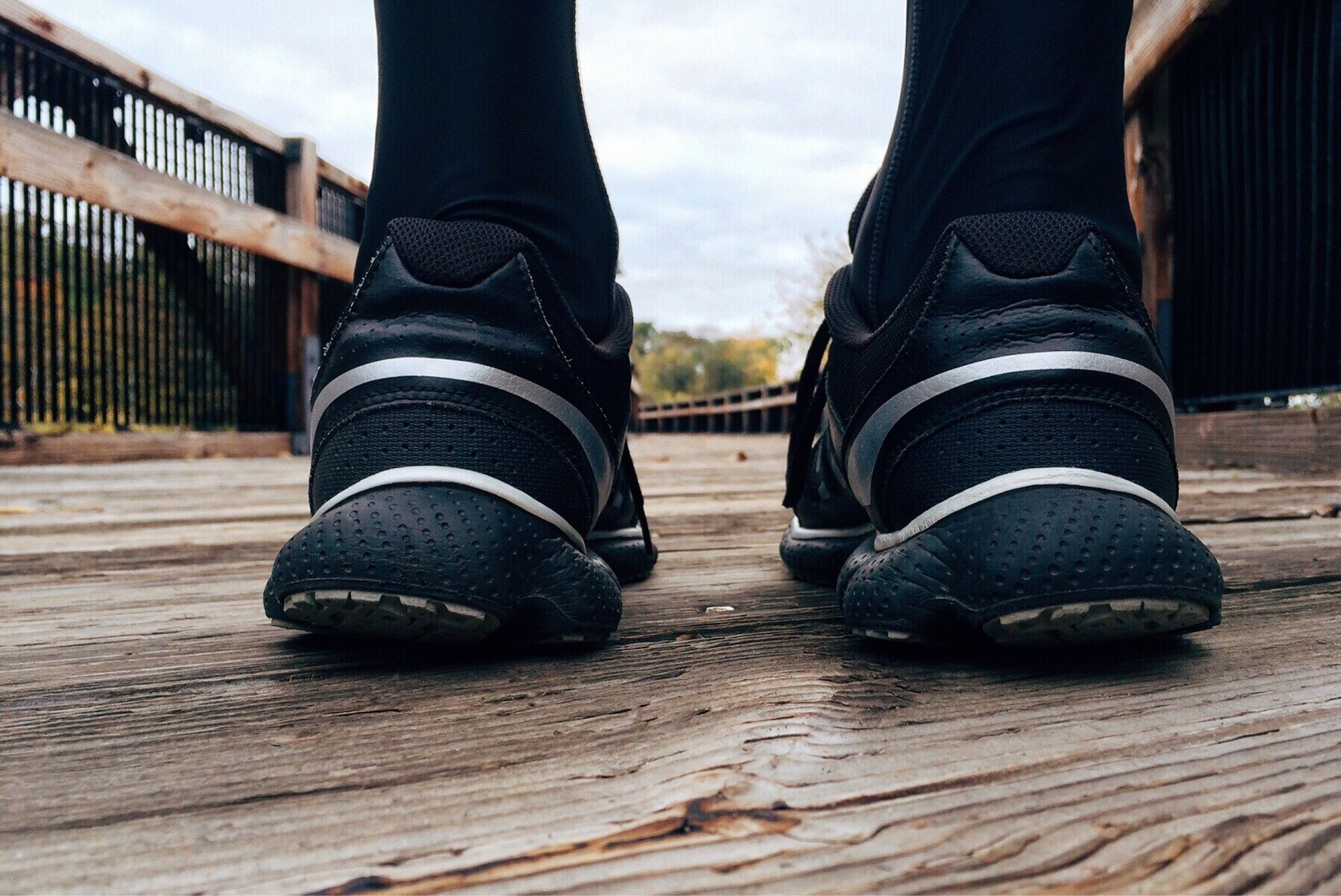
Foot strike pattern—whether you land on your heel, midfoot, or forefoot—affects loading rate, ground contact time, and energy return. Research shows no single pattern universally prevents injury or improves speed; context matters more than dogma.
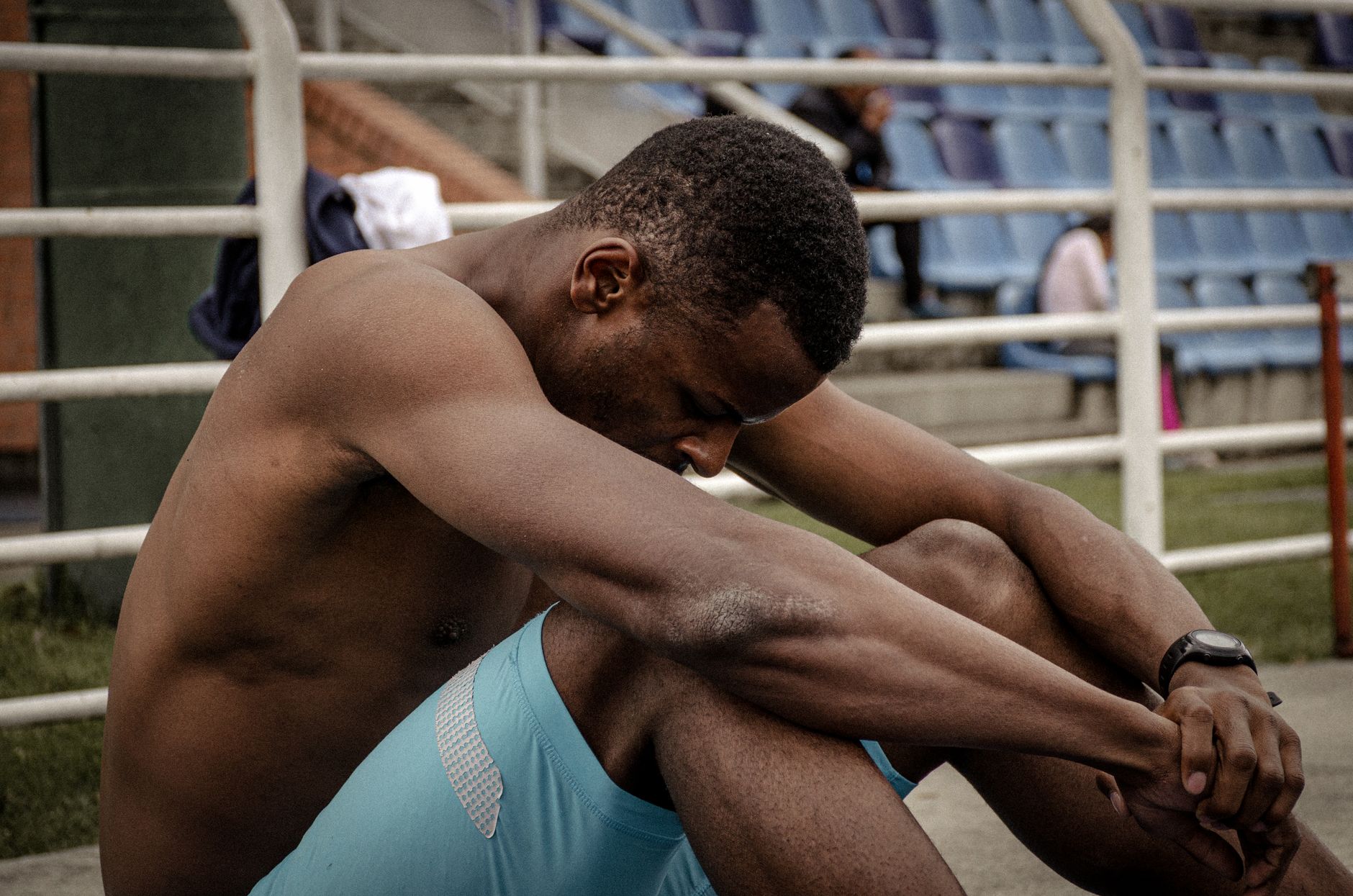
Preventing overtraining while building strength requires tracking cumulative load across both running and lifting, scheduling strength sessions 6+ hours from hard runs, and monitoring resting heart rate and readiness scores weekly.
