
☀
--°
Loading weather...
Detecting location...

The best apps to monitor overtraining combine training load tracking, heart-rate variability analysis, sleep metrics, and subjective readiness scores. Tools like TrainingPeaks, HRV4Training, Whoop, and Garmin Connect provide actionable recovery guidance grounded in sports science.

If you suspect overtraining, immediately log three metrics—resting heart rate, mood score, and sleep quality—for 72 hours, then reduce training volume by 30-50% while maintaining frequency. This protocol preserves aerobic fitness while allowing neuromuscular and hormonal systems to recover.
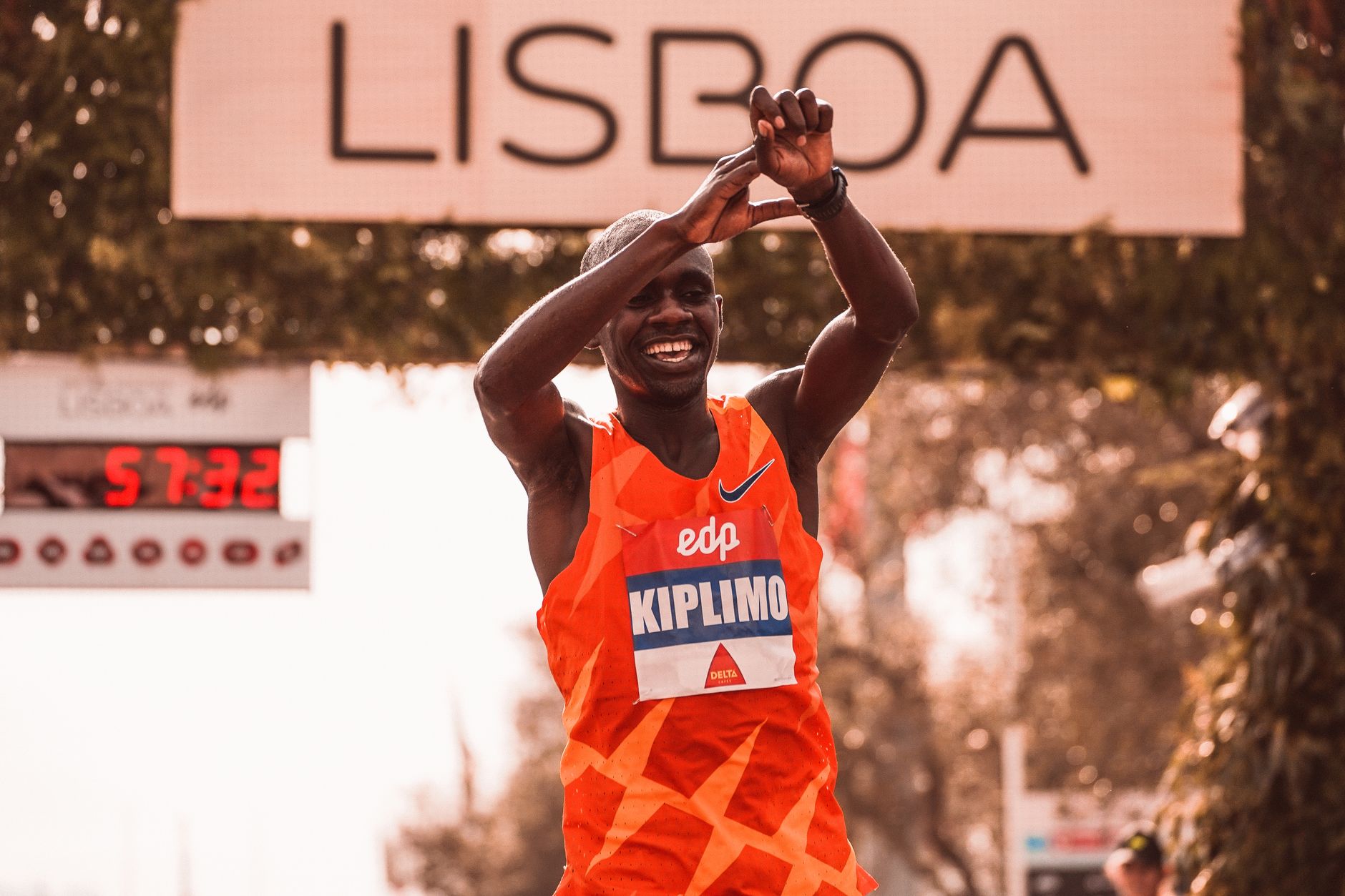
Progression runs train the neuromuscular patterns, lactate tolerance, and pacing discipline required to execute negative splits in races. By starting controlled and finishing fast, runners learn to manage perceived effort across race distance and avoid the classic early-pace blowup.
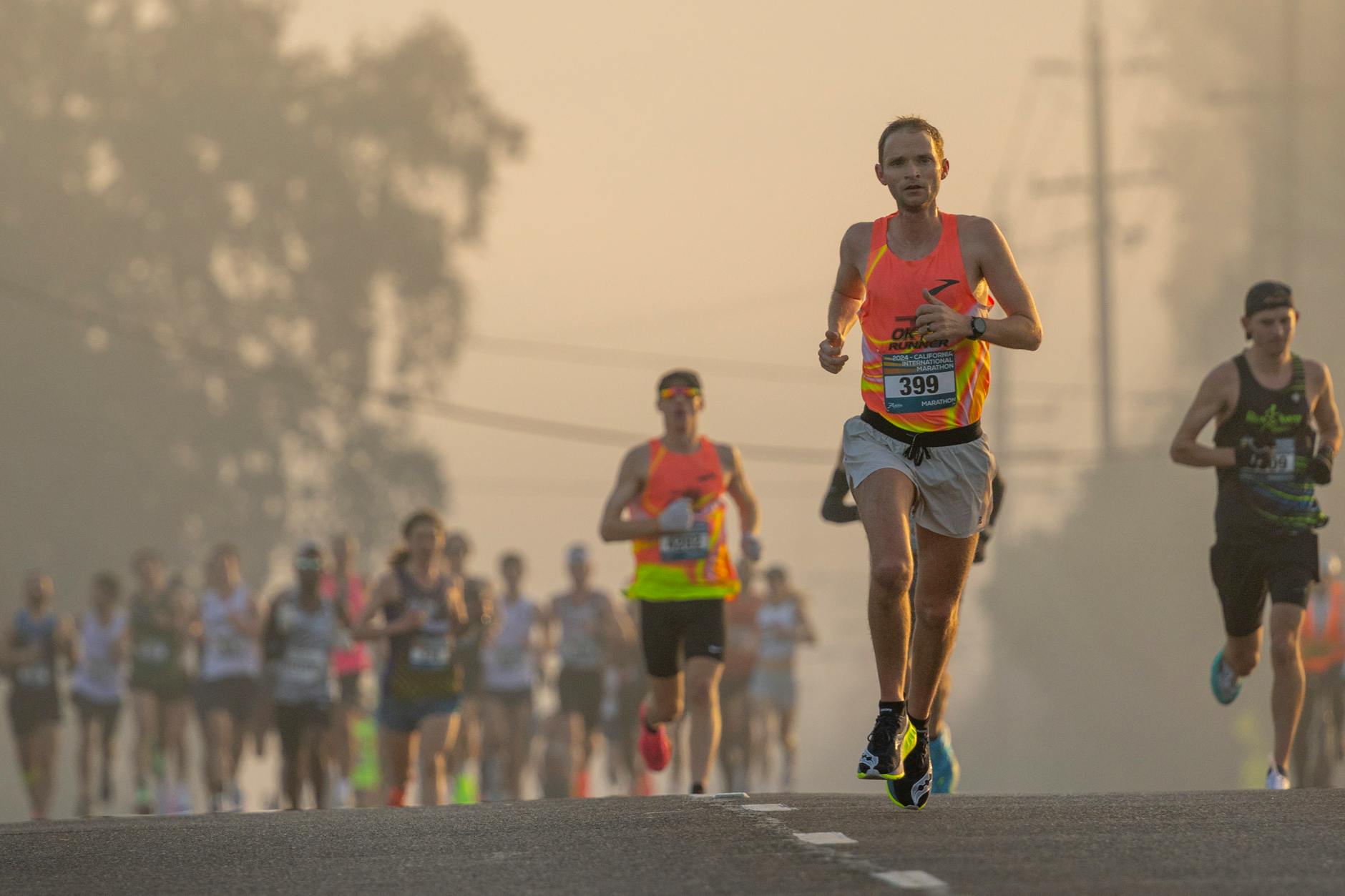
Sprinters reach peak cadences of 240–260 steps per minute during maximal acceleration, while elite marathoners typically maintain 160–185 steps per minute. The difference reflects contrasting demands: sprinters maximize power and flight time, while distance runners optimize oxygen cost and ground contact efficiency.

Your running speed is the product of stride length and cadence. Elite distance runners typically maintain 170–190 steps per minute while modulating stride length by effort; most recreational runners improve performance by raising cadence slightly and allowing stride to lengthen naturally through strength and efficiency gains.
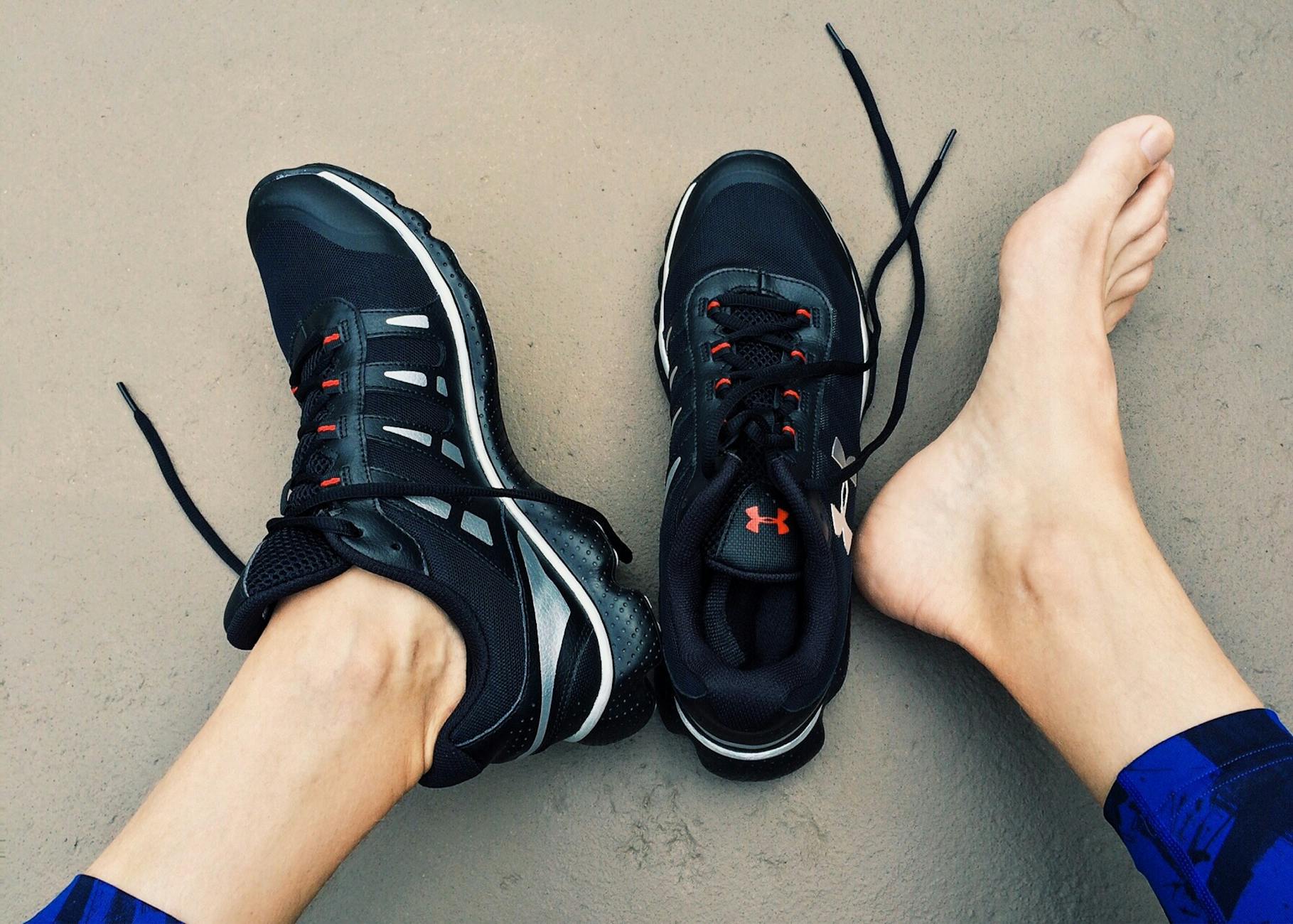
Minimalist shoes can work for beginners, but only with a structured 8–12 week transition that gradually builds foot and calf strength. Jumping straight into low-drop, minimal-cushion footwear raises Achilles and metatarsal stress-fracture risk by 30–40% in untrained runners.

While the classic 180 steps per minute benchmark remains useful, research shows ideal cadence varies by height, leg length, and running speed. Taller runners (6’+ / 183 cm+) often run efficiently at 170-175 spm, while shorter athletes (5’2″ / 157 cm or less) may naturally settle near 185-190 spm at moderate paces.

Fartlek training can effectively replace structured track intervals for speed development in most recreational runners, delivering comparable VO₂max improvements (typically 3-6% over 8 weeks) while reducing overuse injury risk by approximately 20-30% due to varied pacing and terrain.

A beginner 5K training plan should span 8-10 weeks, start with run-walk intervals, cap weekly mileage increases at 10%, and include at least two non-running days per week to reduce injury risk by up to 50%.
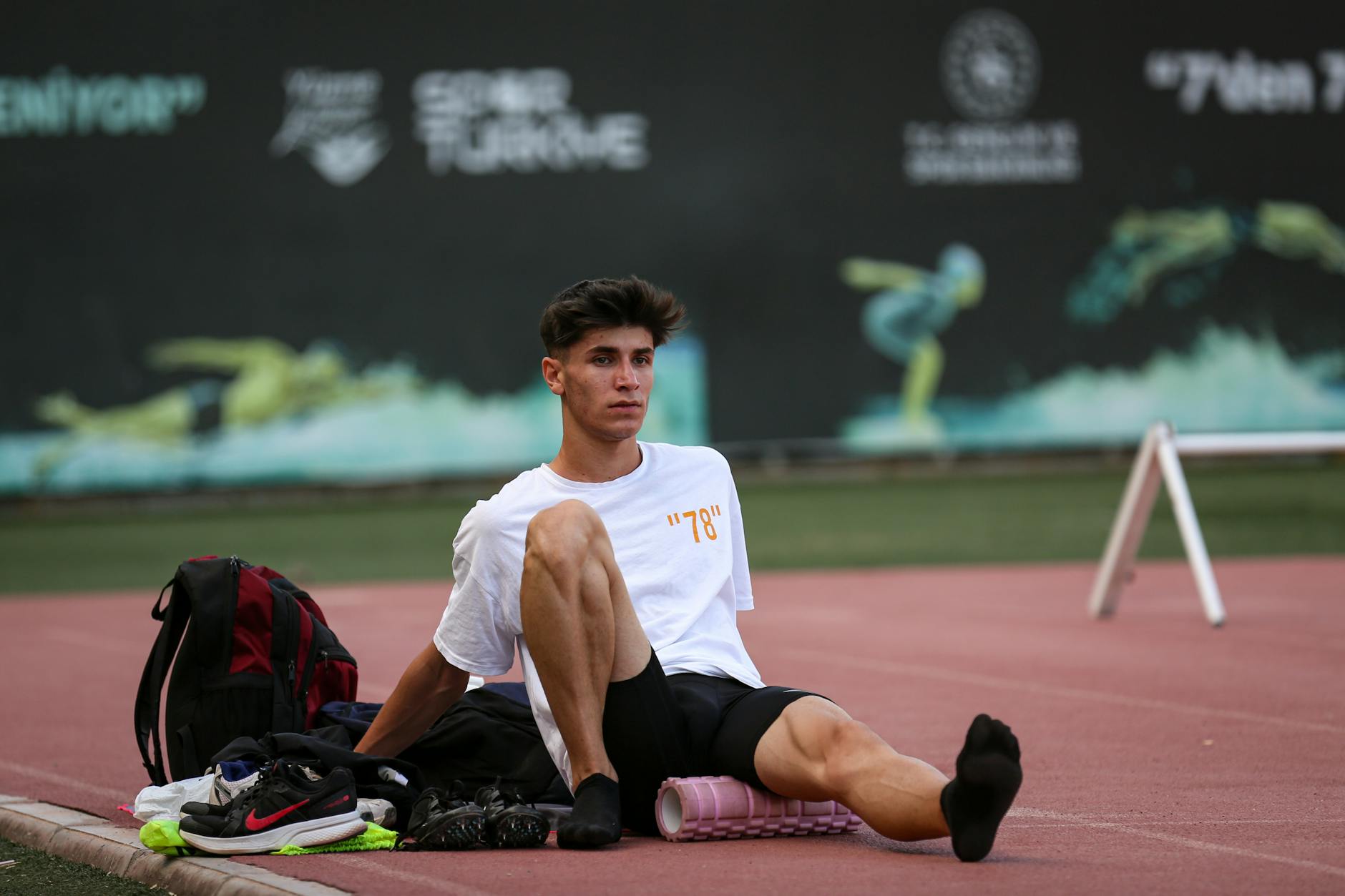
The best recovery strategies for interval training combine active rest between reps (walking or slow jogging at
