
☀
--°
Loading weather...
Detecting location...

Runner’s knee (patellofemoral pain syndrome) is best prevented through controlled weekly mileage increases of 5-10%, targeted hip and glute strengthening, and cadence adjustments above 170 steps per minute to reduce impact load on the patella.
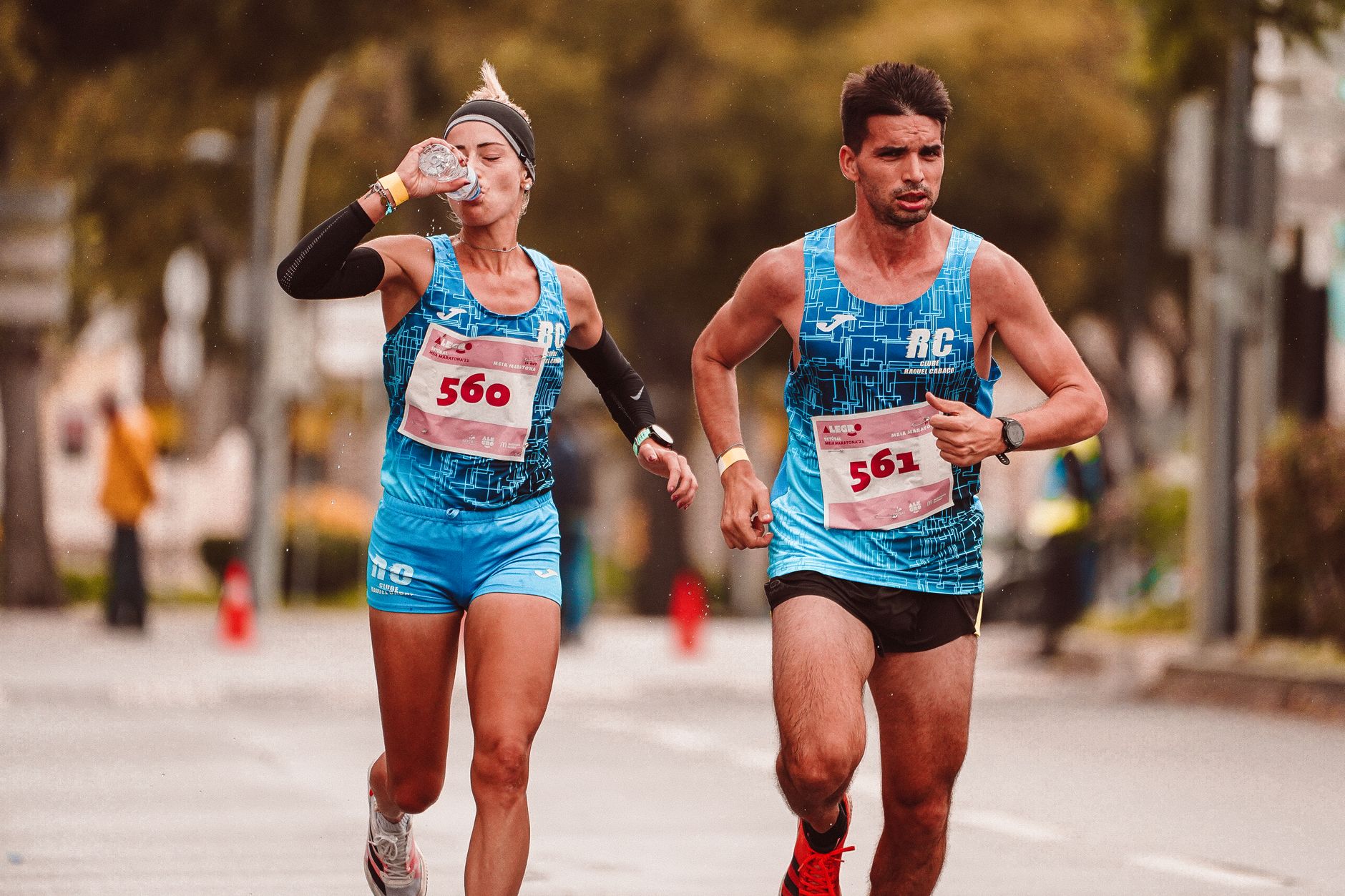
A 12-week half marathon training schedule should build from a base of 15–20 miles per week to a peak of 25–30 miles, incorporating one long run, one tempo session, and one interval workout each week, with a two-week taper. This structure balances aerobic development, lactate threshold gains, and injury prevention for recreational runners.

Runners with seasonal allergies can maintain performance by timing outdoor runs to low-pollen windows (typically evening), using saline nasal rinses pre-run, adopting targeted antihistamine protocols 1-2 hours before workouts, and adjusting interval intensity on high-count days to protect recovery capacity.
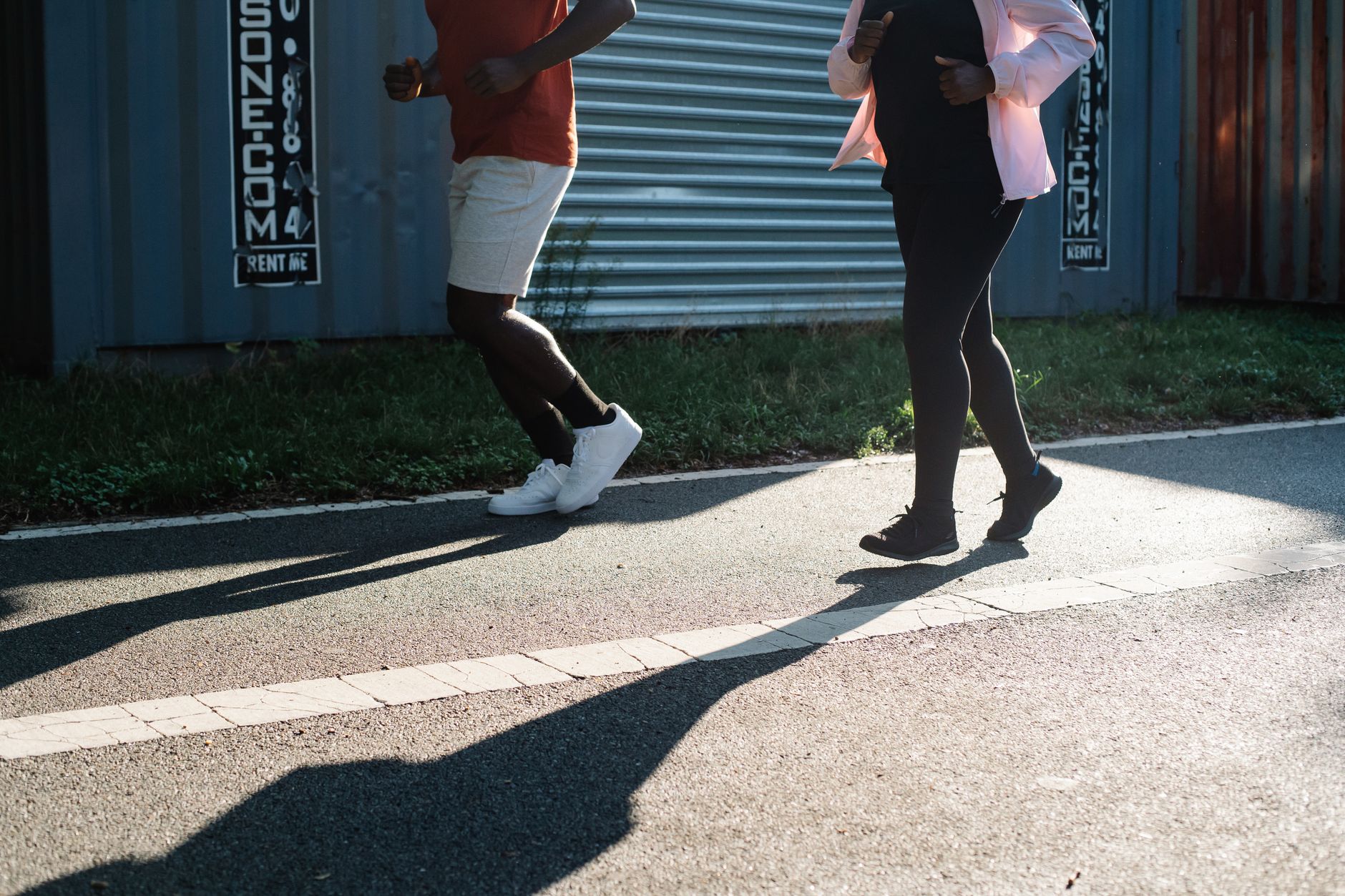
The most effective couch to 5K training plan for beginners uses run-walk intervals over 8-12 weeks, starting with 60-second running bouts and progressively building to continuous 30-minute efforts while limiting weekly mileage increases to 10-15% to minimize injury risk.
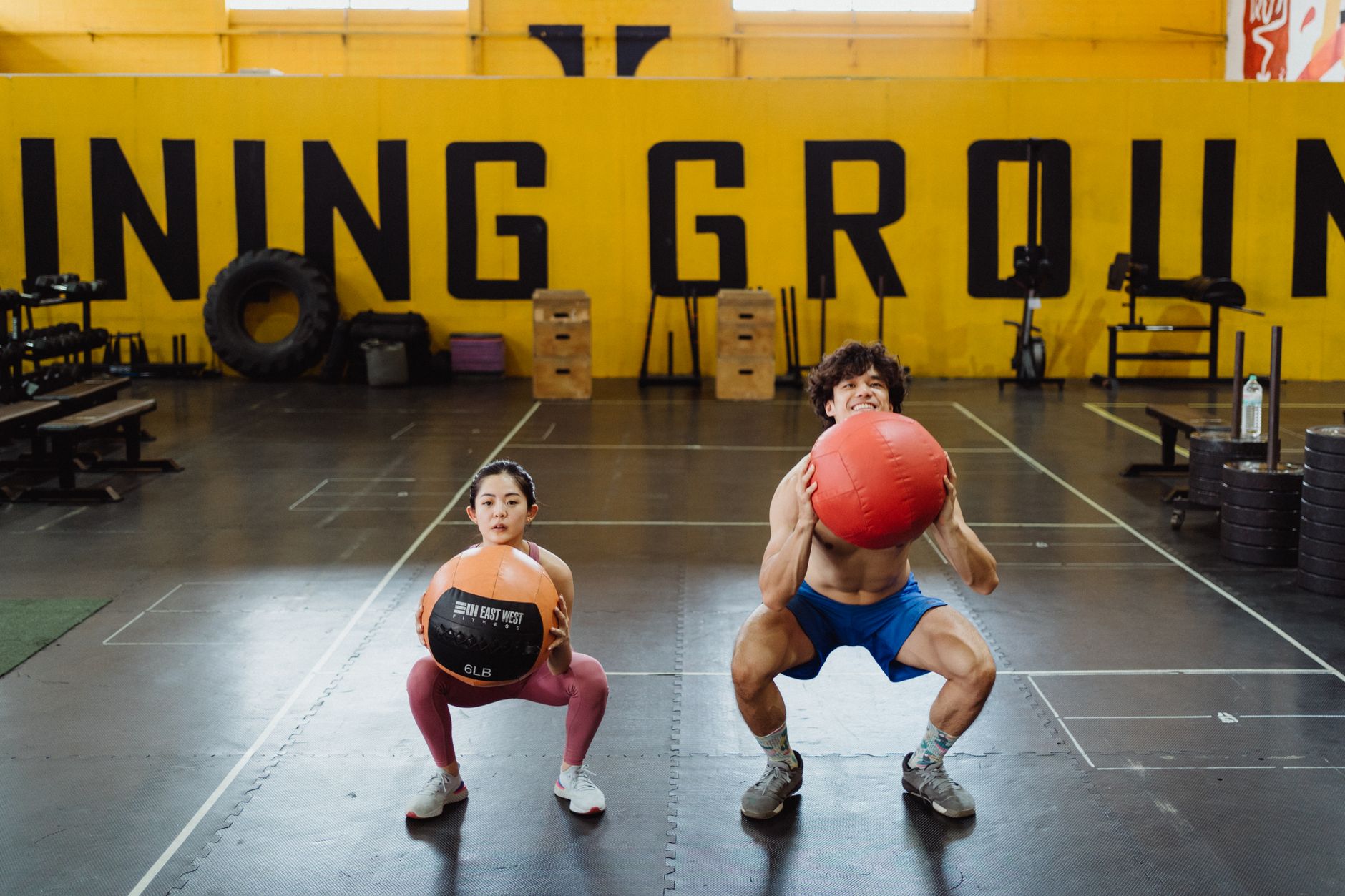
Research shows six foundational strength exercises—single-leg deadlifts, Bulgarian split squats, calf raises, glute bridges, planks, and lateral band walks—directly improve running economy, reduce injury incidence by up to 50%, and enhance power output when performed twice weekly.
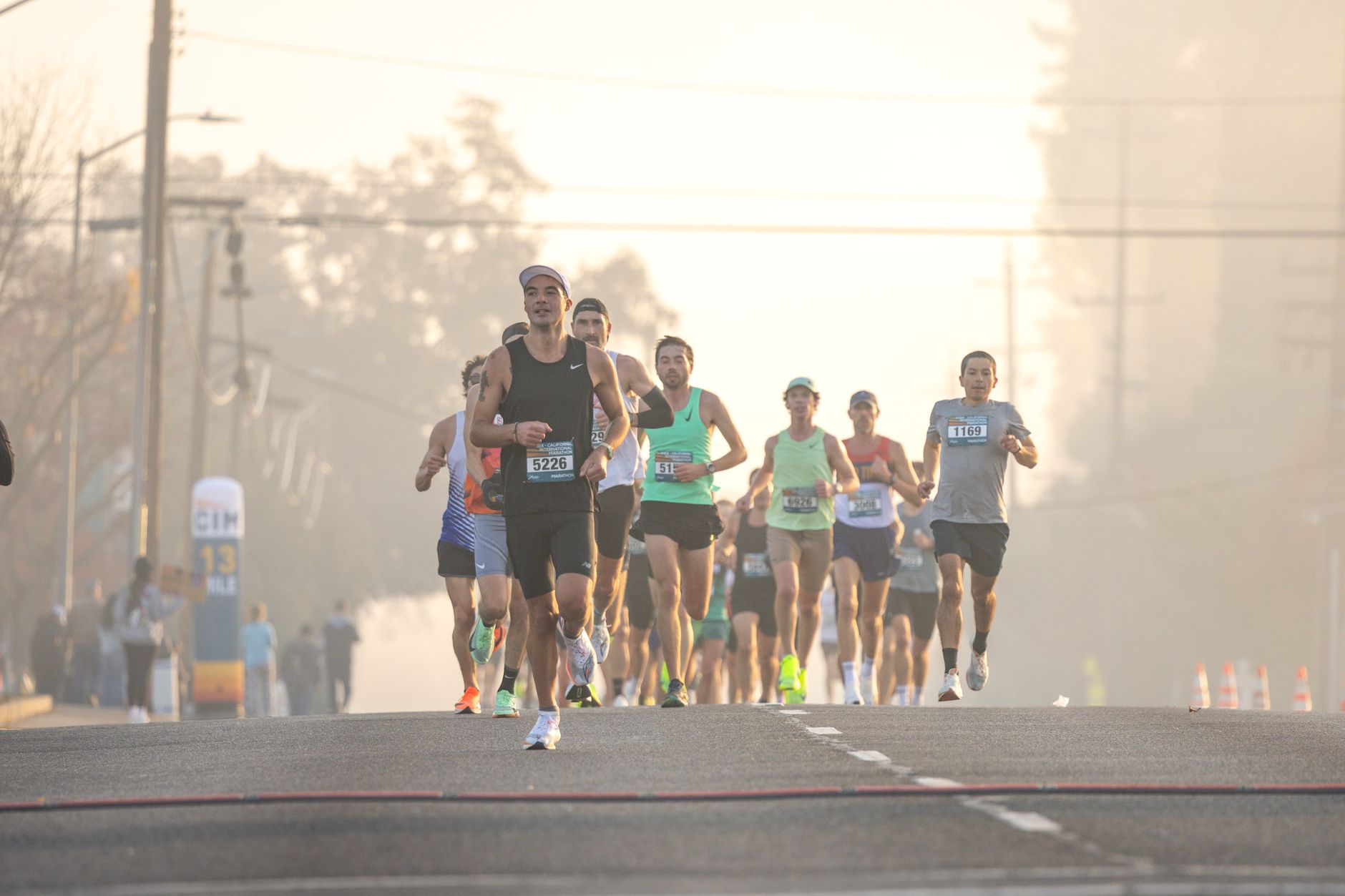
Marathon training demands a multi-shoe rotation: a high-stack daily trainer (400–500 mi durability) for easy runs, a firmer tempo shoe for threshold work, and optionally a carbon-plated racer for race-pace reps and race day.
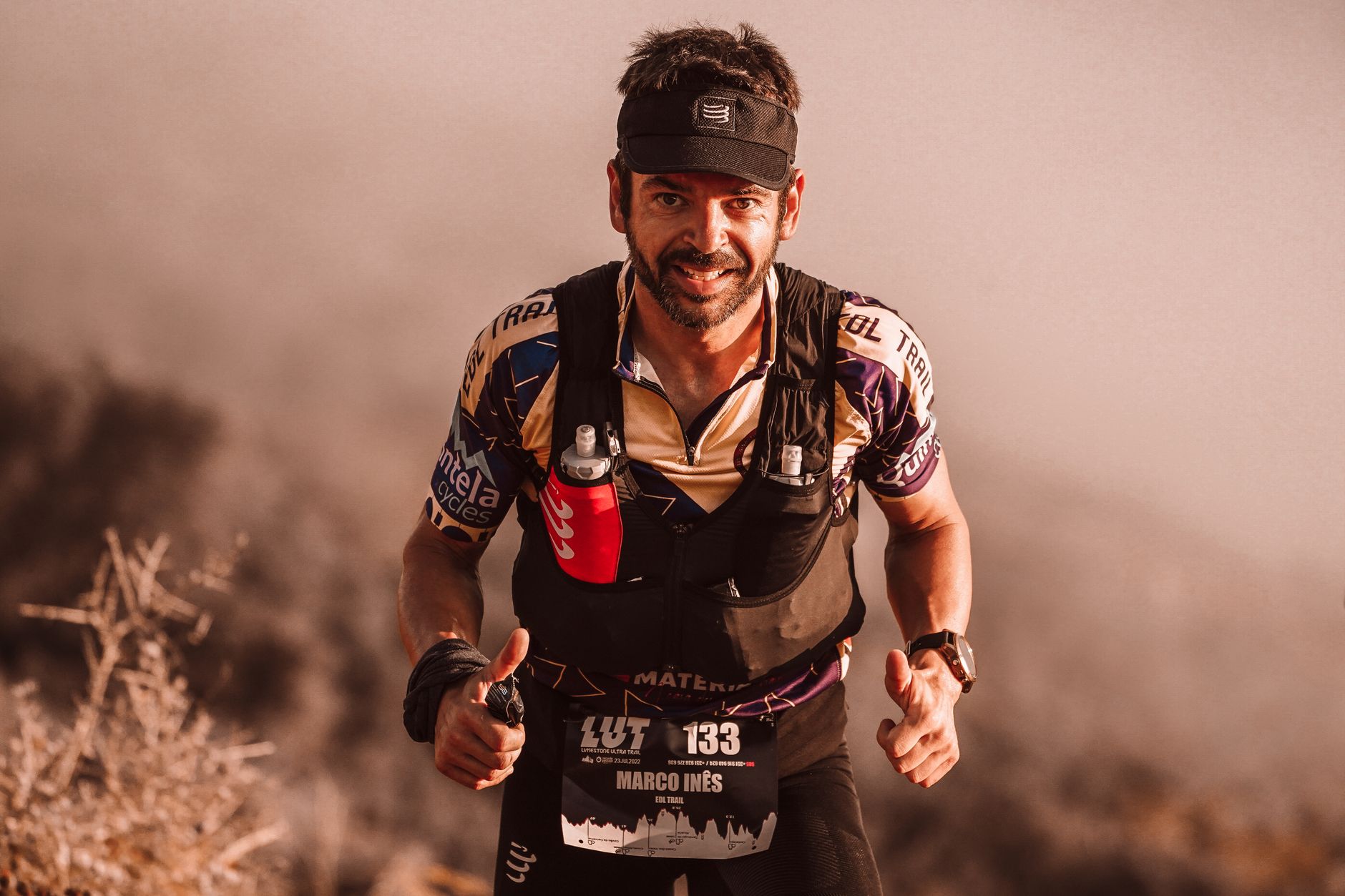
The best hydration vest for long runs depends on your distance and bounce tolerance. For efforts over 15 miles, look for 1.5–2L bladder capacity or dual front flasks with minimal shoulder-strap rotation during arm swing.
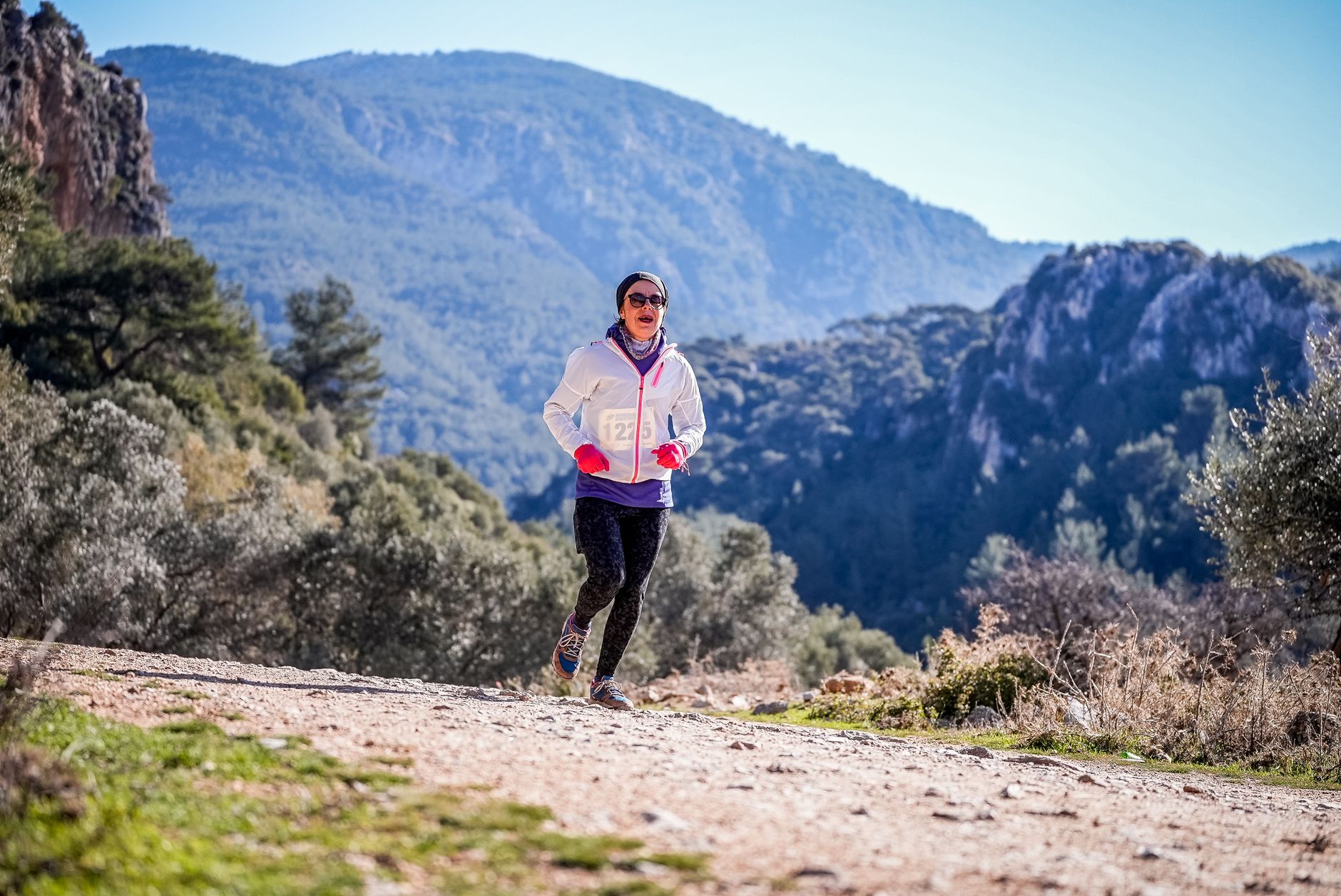
The best trail running shoes for ultras balance 30-40 mm cushioning stacks for sustained impact protection, Vibram or Continental outsoles for 300+ mile durability, and roomy toe boxes that accommodate 10-15% foot swell over 50K-100 mile efforts.
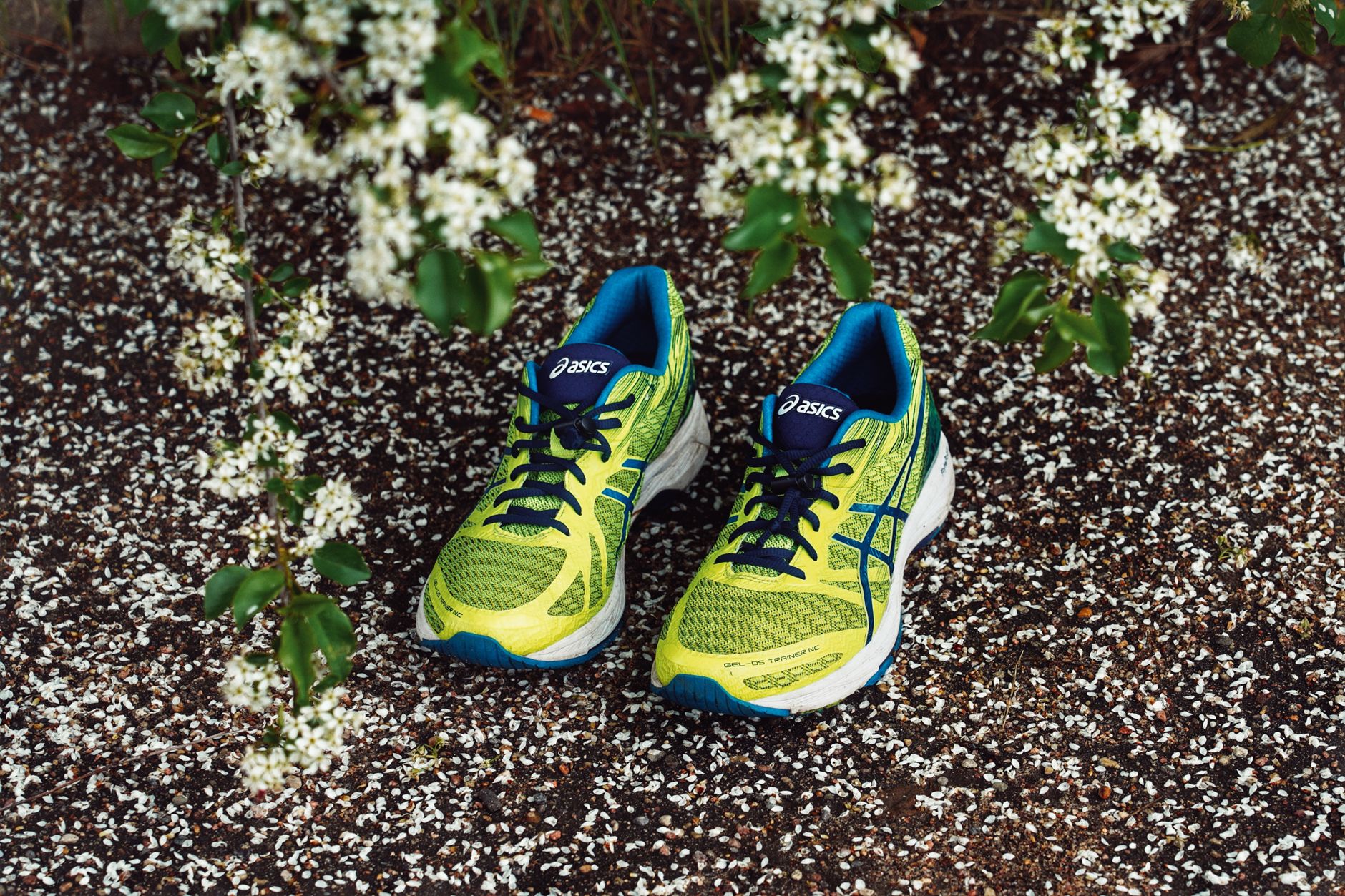
Heel strikers benefit most from shoes with elevated heel-toe drop (8-12 mm), generous heel crash pads, and structured midsole cushioning to dissipate impact forces. The best options in 2026 combine geometric heel bevels with dual-density foam to guide the foot through transition while protecting against overuse injuries.

The best metronome app for cadence training depends on your goal: SoundBrenner Metronome offers visual cues and haptic feedback for multi-sensory learning, Pro Metronome provides the most precise BPM control for structured intervals, and Tempo by Frozen Ape combines simplicity with playlist integration for long runs.
