

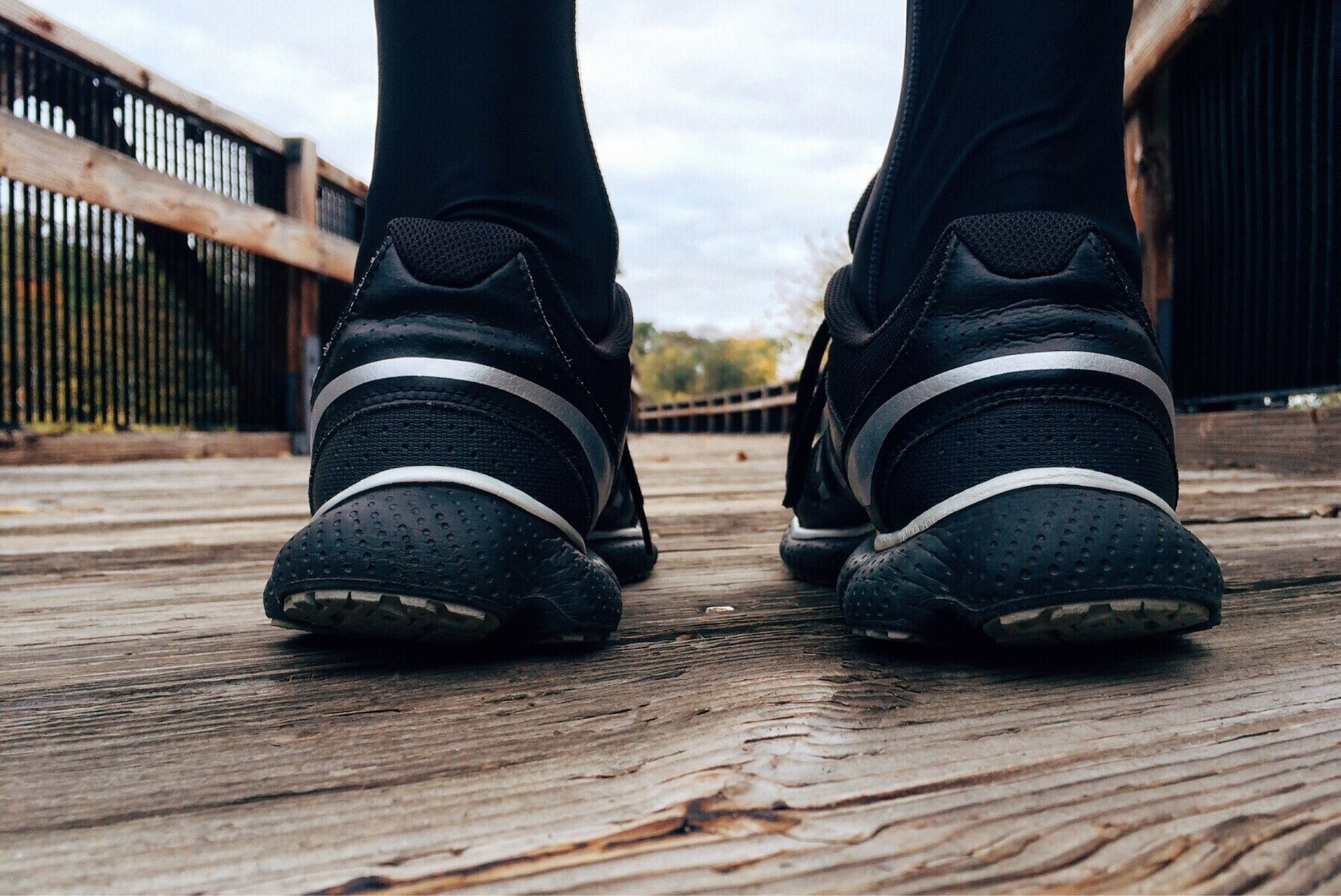
The best running shoes for forefoot strikers in 2026 feature 0–6 mm heel-to-toe drops, responsive forefoot cushioning that preserves ground feedback, and rocker profiles that complement natural toe-off mechanics. These design elements keep your ankle neutral at contact, reduce premature calf loading, and allow efficient energy return through the propulsive phase—priorities that traditional 10–12 mm drop trainers actively undermine for runners who land on the ball of the foot.
Why forefoot strike pattern changes what you need in a shoe
Forefoot strikers contact the ground with the ball of the foot first, typically loading the metatarsal heads and lateral forefoot before the heel touches down (if it touches at all). Research on ground-reaction forces shows that forefoot striking shifts peak loading rates earlier in stance phase and increases demand on the calf complex and Achilles tendon compared to rearfoot patterns. This biomechanical reality means the cushioning, flexibility, and geometry you need are fundamentally different from what heel strikers require.
Traditional running shoes with 10–12 mm drops were designed around rearfoot contact patterns. When a forefoot striker wears a high-drop shoe, the elevated heel tilts the ankle forward, forcing you onto your toes earlier than your natural mechanics dictate. This creates two problems: it exaggerates plantarflexion angle at contact, overloading the calf and Achilles, and it disrupts the smooth rocking motion through toe-off by introducing an artificial pivot point. The result is inefficient propulsion and elevated injury risk in the posterior lower leg.
The three biomechanical priorities for forefoot strikers
1. Low drop (0–6 mm) to match ankle angle at contact. A minimal heel-to-toe offset keeps your ankle in a neutral position when your forefoot lands, letting your natural joint angles handle loading rather than fighting the shoe’s geometry. Zero-drop models suit runners with barefoot or minimal experience; 4–6 mm drops work for most forefoot strikers transitioning from traditional footwear.
2. Responsive forefoot cushioning to handle your primary impact zone. Since you load the ball of the foot first, you need foam that compresses quickly and rebounds fast in the forefoot—not just padding in the heel you’ll never use. Look for midsoles built with TPU-based or supercritical EVA compounds that deliver energy return without feeling mushy or delaying ground feedback.
3. Flexible toe box and minimal toe spring that won’t block natural push-off. Excessive toe spring (the upward curve at the front of the shoe) can force early metatarsal break and interfere with your toe-off mechanics. Forefoot strikers benefit from shoes that flex naturally through the metatarsophalangeal joints and provide enough room in the toe box for natural splay during propulsion. Typical stack heights for forefoot-friendly shoes range from 25–35 mm; beyond 36 mm, ground feel often becomes too muted for efficient forefoot loading unless rocker geometry is expertly tuned.
The 7 best running shoes for forefoot strikers in 2026
These seven models span race-day speed, daily training durability, trail agility, and budget accessibility—all engineered with low drops, forefoot responsiveness, and geometry that complements natural toe-off mechanics.
1. Saucony Endorphin Pro 4 – Best for tempo runs and race day
Drop: 8 mm (higher than ideal but compensated by aggressive rocker) | Stack: 39 mm forefoot / 47 mm heel | Weight: 7.2 oz (men’s 9) | Price: $245 | Durability: 200–250 miles
The Endorphin Pro 4 uses a full-length carbon-fiber plate and PWRRUN PB foam to create a forward-biased rocker that actively propels forefoot strikers through toe-off. While the 8 mm drop is higher than most forefoot strikers prefer, the pronounced rocker geometry shifts your loading pattern forward, effectively mimicking a lower drop during high-speed efforts. Best for tempo runs at 6:00–7:30 min/mile pace and race day from 5K through marathon, where the plate’s stiffness maximizes energy return. Not recommended for easy runs or runners still adapting to low-drop mechanics; save this for workouts and races.
2. New Balance Fresh Foam X 1080v13 – Best daily trainer for high-mileage forefoot strikers
Drop: 6 mm | Stack: 33 mm forefoot / 39 mm heel | Weight: 9.1 oz (men’s 9) | Price: $165 | Durability: 400–500 miles
The 1080v13 balances substantial forefoot cushioning with a 6 mm drop that keeps your ankle neutral across easy, moderate, and occasional tempo paces. Fresh Foam X midsole compound delivers soft initial contact with quick rebound, preventing the mushy sink-in feel that disrupts forefoot feedback. The flexible forefoot and wide toe box accommodate natural splay during push-off. Ideal for 40–70 mile training weeks at paces from 8:00–10:00 min/mile recovery jogs up to 7:00 min/mile marathon-pace efforts. Runner’s Digest biomechanics and injury prevention guides consistently highlight the 1080 series for its ability to handle volume without forcing gait compromises.
3. Altra Escalante 3 – Best zero-drop option for natural transition
Drop: 0 mm | Stack: 25 mm | Weight: 8.6 oz (men’s 9) | Price: $140 | Durability: 300–350 miles
The Escalante 3 delivers true zero-drop geometry with a foot-shaped toe box and minimal toe spring, making it the top choice for forefoot strikers ready to eliminate all heel elevation. The 25 mm stack provides moderate cushioning without dulling ground feel. Transition protocol: start with 20% of weekly mileage in the Escalante during weeks 1–2, increase to 50% by week 4, and reach 80% by week 6. Pair the ramp with eccentric calf strengthening (heel drops off a step, 3 sets of 12 reps, twice weekly) to build Achilles tolerance. Zero-drop makes sense if you’ve previously run in 4 mm shoes comfortably for 6+ months; stick with 4–6 mm options if you’re new to low-drop footwear or have a history of Achilles issues.
4. Nike Zoom Streak 7 – Best lightweight flat for track and interval work
Drop: 6 mm | Stack: 18 mm forefoot / 24 mm heel | Weight: 5.6 oz (men’s 9) | Price: $110 | Durability: 150–200 miles
The Streak 7 strips away everything except what forefoot strikers need for speed: minimal weight, firm Cushlon foam in the forefoot, and an aggressive forward rocker. The low 18 mm forefoot stack maximizes ground contact feedback during track repeats, hill sprints, and tempo intervals at sub-6:30 pace. Use this shoe exclusively for structured workouts (one to two sessions per week); the firm ride and limited cushioning aren’t built for daily mileage. Forefoot strikers benefit from direct ground contact during speed work because it sharpens proprioception and preserves the rapid loading-unloading cycle that generates speed.
5. Hoka Mach 5 – Best maximalist option for long runs
Drop: 5 mm | Stack: 32 mm forefoot / 37 mm heel | Weight: 7.9 oz (men’s 9) | Price: $140 | Durability: 350–400 miles
The Mach 5 proves that forefoot strikers can use higher-stack shoes if drop and rocker design stay sound. The 32 mm of PROFLY+ foam absorbs impact during 15+ mile efforts without deadening the snappy rebound forefoot strikers rely on. The 5 mm drop keeps your ankle neutral, and the early-stage Meta-Rocker smooths the transition from forefoot contact through toe-off. Ideal for marathon training long runs, weekend mileage at 7:30–9:00 pace, and recovery weeks when calf fatigue is high. Despite the thick stack, ground feedback remains clear because the foam is responsive rather than soft.
6. Salomon S/Lab Ultra 3 – Best trail shoe for technical terrain
Drop: 4 mm | Stack: 24 mm forefoot / 28 mm heel | Weight: 8.1 oz (men’s 9) | Price: $180 | Durability: 300–400 miles (terrain-dependent)
The S/Lab Ultra 3 combines 4 mm drop with aggressive Contagrip lugs and a forefoot rock plate, giving forefoot strikers the low-drop geometry they need plus protection on technical trails. Forefoot strikers stay agile over roots, rocks, and off-camber terrain when the shoe’s heel isn’t artificially elevated. The Energy Surge midsole maintains ground feel while the rock plate prevents stone bruising during aggressive downhill strides. Best for trail runs with 500+ feet of elevation gain per 10K, where quick foot placement and natural toe-off make the difference between flow and stumble.
7. Brooks Launch 9 – Best budget-friendly option under $120
Drop: 10 mm | Stack: 26 mm forefoot / 36 mm heel | Weight: 8.8 oz (men’s 9) | Price: $110 | Durability: 300–350 miles
The Launch 9 breaks the low-drop rule but earns its place through sheer value and a forefoot-biased ride despite the 10 mm offset. The BioMoGo DNA foam is firmer in the heel and more responsive in the forefoot, effectively creating a ride that favors forefoot contact patterns. Trade-offs include slightly less efficient toe-off mechanics and moderate weight, but for runners testing forefoot-friendly geometry on a budget, the Launch delivers 300+ reliable miles at easy-to-moderate paces. Use this as an entry point; graduate to true low-drop models (4–6 mm) once you’ve confirmed forefoot striking suits your mechanics. For broader evidence-based running gear reviews, Runner’s Digest evaluates budget models alongside premium options.
How to choose the right drop and stack height for your stride
Start with drop: choose 0 mm if you’ve successfully run in minimal or barefoot shoes for 6+ months and have strong, resilient calves and Achilles tendons. Select 4–6 mm if you’re transitioning from traditional footwear (8+ mm drop) or want a balance between natural mechanics and Achilles protection. Most forefoot strikers thrive in the 4–6 mm range; it provides enough offset to ease calf load during high-mileage weeks without tilting you forward unnaturally.
Stack height depends on weekly volume and surface. Low-volume runners (under 30 miles per week) and those prioritizing speed work benefit from 20–28 mm stacks that preserve ground feel and quick turnover. High-volume runners (50+ miles per week) and those logging frequent long runs often prefer 28–35 mm stacks for the added impact absorption, especially on asphalt and concrete. Trail runners can use lower stacks (24–28 mm) because softer surfaces reduce impact forces. When in doubt, prioritize ground feel over cushioning if your weekly mileage is under 40 miles; favor cushioning if you’re above 50 miles or training for ultras.
Common mistakes forefoot strikers make when buying shoes
Mistake 1: Choosing racing flats for all runs. Racing flats optimize speed but lack the durability and cushioning for daily training. Using a 5.5 oz flat for every run overloads calves, accelerates foam breakdown, and raises injury risk. Rotate a cushioned low-drop trainer for 70–80% of weekly mileage.
Mistake 2: Ignoring forefoot cushioning and focusing only on drop. Drop is necessary but not sufficient. A 4 mm drop shoe with firm, unresponsive foam in the forefoot will feel harsh and slow because you’re landing on that zone. Check foam specs and reviews that specifically mention forefoot rebound.
Mistake 3: Switching to zero-drop overnight without a calf adaptation period. Even experienced forefoot strikers need 6–8 weeks to adapt to zero-drop geometry. Skipping the gradual mileage ramp and strength work leads to Achilles tendinopathy and calf strains. Follow the protocol: start at 20% of weekly mileage, progress by 10–15% every two weeks.
Mistake 4: Buying based on heel cushioning reviews written by heel strikers. Most shoe reviews are authored by heel strikers who prioritize rear-foot impact absorption. Their “plush” or “soft” ratings reflect heel performance, not forefoot responsiveness. Seek out reviews and training tips for competitive runners who explicitly test forefoot landing mechanics.
When forefoot strikers should consider a higher-drop shoe
Temporarily raising drop can serve as an injury-management tool. If you develop Achilles tendinopathy, shifting to a 6–8 mm drop shoe for 4–6 weeks reduces tensile load on the tendon by decreasing the ankle’s dorsiflexion range during stance. Research on drop manipulation shows that increasing offset by 4 mm can reduce Achilles strain by 8–12%, buying time for rehab protocols to work.
During long ultra distances (50K and beyond), fatigue progressively alters your mechanics. Many forefoot strikers unconsciously shift toward midfoot or even heel contact in the final third of an ultra. A 6 mm drop shoe accommodates this drift better than zero-drop models, reducing the risk of acute calf cramping when your form deteriorates at mile 28 of a 50K.
On recovery runs following hard workout blocks, calf and Achilles fatigue may linger 48–72 hours. Using a slightly higher drop (6 mm instead of your usual 4 mm, or 4 mm instead of zero) for easy pace recovery runs offloads the posterior chain and speeds tissue repair without abandoning forefoot-friendly geometry entirely.
How to transition safely if you’re new to low-drop shoes
Follow a 6-week protocol that gradually introduces low-drop geometry while building the calf and Achilles capacity to handle increased load.
Weeks 1–2: Run 20% of weekly mileage in your new low-drop shoes, exclusively at easy pace (conversational effort, 1–2 minutes slower than marathon pace). Keep the remaining 80% in your current shoes. Start eccentric heel-drop strengthening: stand on a step with forefoot on the edge, lower your heel below step level for 3 seconds, raise back to neutral using both feet. Perform 3 sets of 12 reps on each leg, twice weekly.
Weeks 3–4: Increase to 50% of weekly mileage in low-drop shoes. Add four to six 20-second strides at mile pace after one easy run per week while wearing the new shoes. Continue eccentric heel drops; add single-leg holds (stand on one foot on the step for 30 seconds without support) to build Achilles resilience.
Weeks 5–6: Reach 80% of weekly mileage in low-drop shoes. Include one tempo or threshold workout in the new footwear, but keep long runs under 90 minutes until full adaptation. Continue strength work and monitor for warning signs: persistent calf or Achilles soreness lasting more than 48 hours after runs, sharp pain during push-off, or tightness that doesn’t improve with stretching. If any appear, scale back to 50% mileage for another two weeks before progressing again.
By week 7, you can run 100% of mileage in low-drop shoes if soreness and tightness have resolved. The entire process respects tissue adaptation timelines—tendons remodel slower than muscles, requiring 6–8 weeks of progressive load to build tolerance safely.
Frequently Asked Questions
What heel-to-toe drop is best for forefoot strikers?
Most forefoot strikers perform best in shoes with 0–6 mm heel-to-toe drop. A low drop keeps your ankle in a neutral position at contact, allowing your natural toe-off mechanics to work efficiently. Zero-drop shoes suit experienced minimal runners, while 4–6 mm drops offer a middle ground for those transitioning from traditional footwear. Drops above 8 mm can tilt forefoot strikers onto their toes prematurely, increasing calf and Achilles strain.
Do forefoot strikers need racing flats or can they use daily trainers?
Forefoot strikers benefit from both. Racing flats (under 7 oz, firm ride, minimal drop) excel on race day and during track intervals because they maximize ground feedback and speed. Daily trainers with low drop and responsive forefoot cushioning handle the bulk of training mileage without overloading calves. Using flats for every run raises injury risk; rotate a cushioned low-drop trainer for easy and long runs to preserve durability and recovery.
Can forefoot strikers wear maximalist shoes with thick stack heights?
Yes, if the shoe maintains a low drop and forward rocker geometry. Stack height (the total foam thickness) affects ground feel but doesn’t inherently conflict with forefoot striking. A 32 mm stack with 4 mm drop can still accommodate natural toe-off, especially on long runs where extra cushioning reduces fatigue. Avoid maximalist shoes with high drops (10+ mm) or flat, non-rockered midsoles, which disrupt the forefoot loading pattern.
How long does it take to adapt to zero-drop shoes as a forefoot striker?
Plan 6–8 weeks for full adaptation, even if you already forefoot strike. Zero-drop shoes shift more load to your calves and Achilles compared to 4–6 mm drops. Start with 20% of weekly mileage in zero-drop shoes during weeks 1–2, increase to 50% by week 4, and reach 80% by week 6. Pair the transition with eccentric calf strengthening (heel drops, 3 sets of 12 reps, twice weekly) to build tolerance and prevent tendon irritation.
What’s the difference between forefoot and midfoot strike shoes?
Forefoot strikers land on the ball of the foot, while midfoot strikers contact closer to the arch with a flatter foot angle. Both benefit from low-drop shoes, but forefoot strikers prioritize more cushioning and flexibility in the forefoot zone, whereas midfoot strikers can tolerate slightly firmer, flatter midsoles. Many low-drop trainers (4–6 mm) work well for both patterns; true racing flats and zero-drop models favor forefoot mechanics more directly.
Should forefoot strikers avoid cushioned shoes?
No. Cushioning in the forefoot is essential for forefoot strikers because that’s your primary impact zone. The key is choosing shoes with responsive, energy-returning foam rather than soft, mushy cushioning that delays ground feedback. Look for midsoles using TPU-based or supercritical EVA foams, which compress quickly and rebound fast. Avoid shoes that concentrate cushioning only in the heel, as that offers no benefit and adds unnecessary weight.
Can changing to low-drop shoes fix my running form?
Low-drop shoes make forefoot and midfoot striking easier but won’t force a stride change by themselves. If you naturally heel strike, switching to zero-drop shoes without gait retraining can increase injury risk by overloading unprepared calves. Use low-drop footwear to support an existing forefoot pattern or pair the transition with form drills (strides, cadence work, barefoot pickups on grass) over 6–8 weeks. Shoes are tools, not automatic fixes.
Leave a Reply