
☀
--°
Loading weather...
Detecting location...
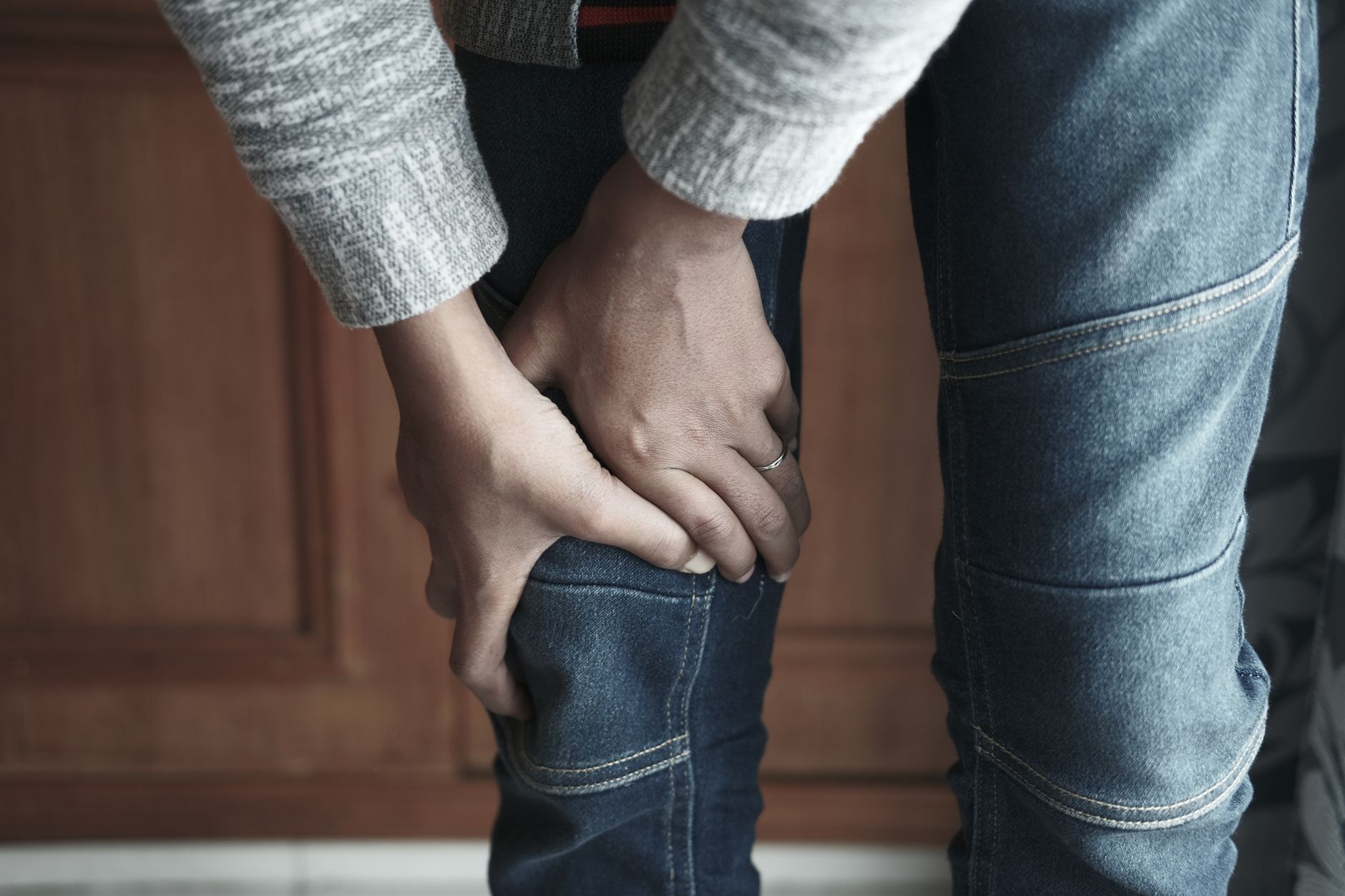
Runner’s knee (patellofemoral pain) presents as anterior knee pain beneath or around the kneecap, worsening on stairs and prolonged sitting. IT band syndrome causes sharp lateral knee pain 1-2 cm above the joint line, typically triggered at consistent mileage intervals during runs.
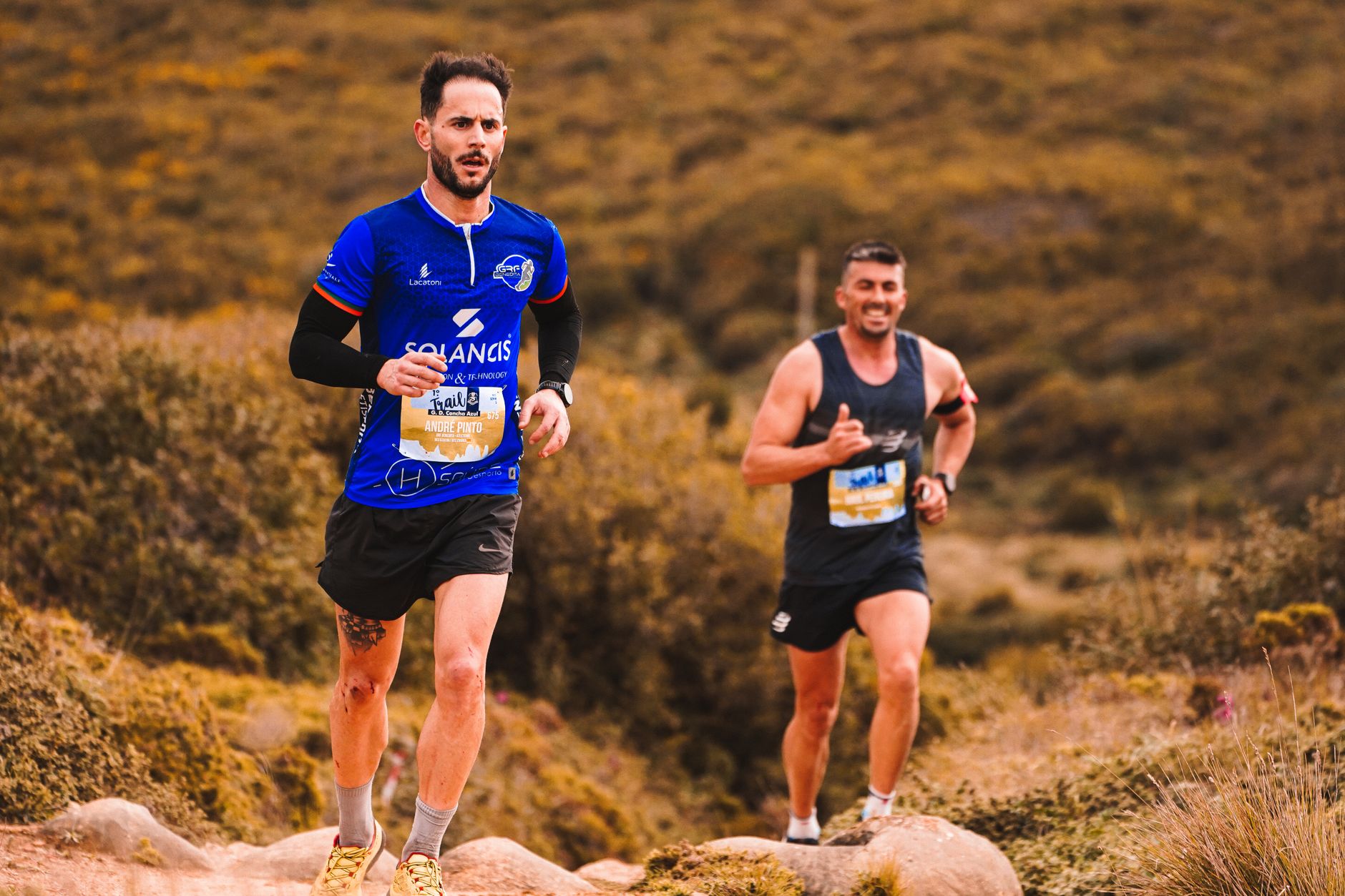
Neither surface is objectively better—trail running develops proprioception and eccentric strength through varied terrain, while road running enables precise pacing and faster turnover. Your optimal mix depends on your goals, injury history, and the training adaptations you need most.

The optimal running cadence for recreational runners typically falls between 160-180 steps per minute, with most research showing benefits plateau around 170. Individual biomechanics, running speed, and injury history outweigh any single “magic number.”

Most runners see meaningful performance and injury-prevention gains from two strength sessions per week, each 30–45 minutes, targeting single-leg stability and posterior-chain power. Elite and injury-prone runners may benefit from three sessions, while once-weekly maintenance preserves gains during peak race blocks.

Treadmill running reduces ground reaction forces by 8-12% and alters hip extension mechanics compared to outdoor running, while outdoor terrain introduces variable neuromuscular demands and wind resistance that can increase energy cost by 2-10%.

Eat 2–4 hours before your long run, targeting 1–4 g of carbohydrate per kg of body weight with minimal fiber and fat. Toast with honey, oatmeal with banana, or a bagel with peanut butter deliver glycogen without GI distress.

Safe hot-weather running requires 10–14 days of heat acclimatization, pre-run hydration of 400–600 ml, effort reductions of 15–30%, and strict monitoring of core temperature signals like dizziness or confusion.

Runner’s knee (patellofemoral pain syndrome) is best prevented through controlled weekly mileage increases of 5-10%, targeted hip and glute strengthening, and cadence adjustments above 170 steps per minute to reduce impact load on the patella.
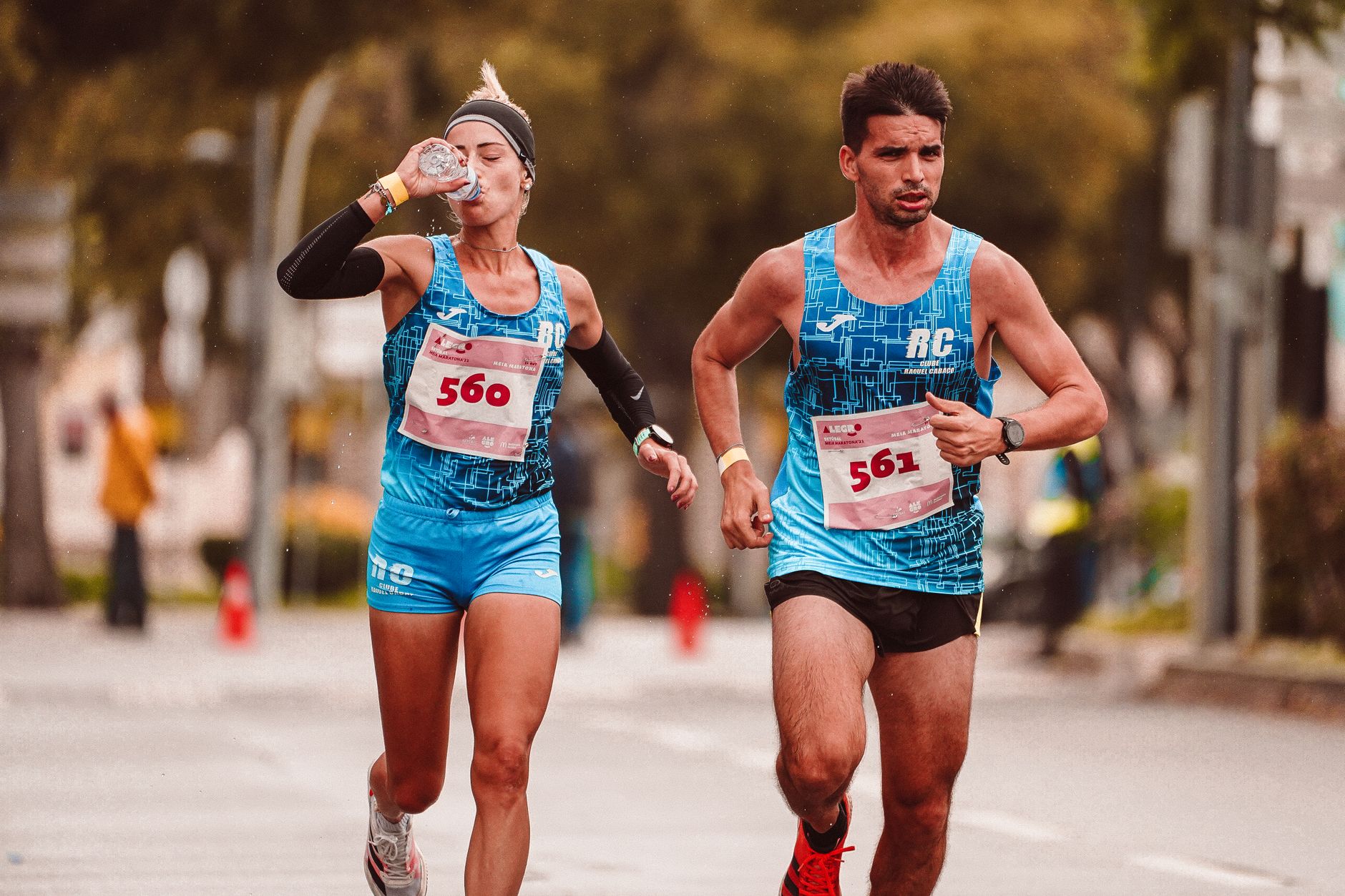
A 12-week half marathon training schedule should build from a base of 15–20 miles per week to a peak of 25–30 miles, incorporating one long run, one tempo session, and one interval workout each week, with a two-week taper. This structure balances aerobic development, lactate threshold gains, and injury prevention for recreational runners.

Runners with seasonal allergies can maintain performance by timing outdoor runs to low-pollen windows (typically evening), using saline nasal rinses pre-run, adopting targeted antihistamine protocols 1-2 hours before workouts, and adjusting interval intensity on high-count days to protect recovery capacity.
