

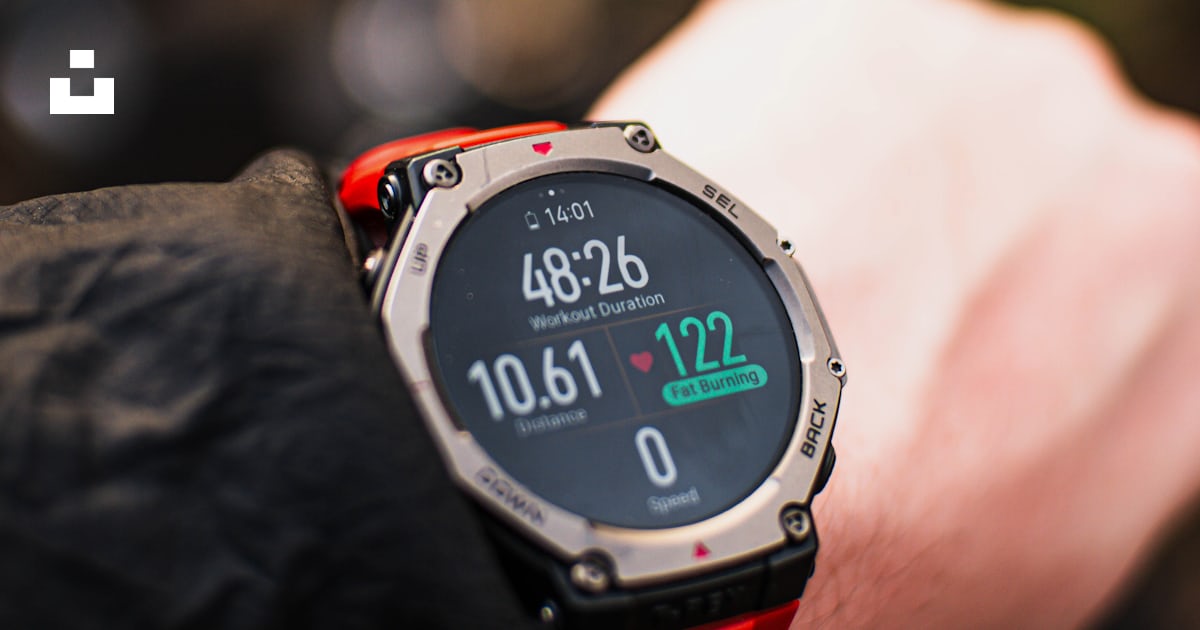
You’re 45 minutes into a steady aerobic run. Same pace as the first kilometer. Breathing is fine. Legs feel okay. But your watch is buzzing — heart rate has climbed from 142 to 158 and it’s still creeping. You haven’t sped up. So what gives?
What you’re seeing is cardiac drift (sometimes called heart-rate drift or cardiovascular drift), and it’s one of the most misunderstood patterns in a runner’s data. It’s not a sign you’re falling apart. It’s not necessarily a sign you’re undertrained. In most cases it’s your body’s circulatory system doing exactly what it’s supposed to do — and learning to read it is one of the fastest ways to get smarter about pacing, hydration, and warm-weather training.
What Cardiac Drift Actually Looks Like
Cardiac drift is the gradual upward climb of heart rate during prolonged steady-state exercise even when pace, power output, and perceived effort stay constant. On a 60- to 90-minute run, a drift of 5–10% (roughly 7–15 beats per minute) is normal. On a hot day, or when you’re under-hydrated, it can hit 15–20%. You’ll see it most obviously on long runs, tempo efforts, and any session over about 30 minutes.
If you train by heart-rate zones, this is the thing that drives you crazy: the first 20 minutes feel “easy” by both numbers and feel, and then somewhere around minute 40 your “easy” zone has betrayed you and you’re suddenly in zone 3 just to maintain the same pace. That isn’t a flaw in your training plan. It’s physiology.
The Physiology: Why Your Heart Has to Beat Faster
Two big things are happening under the hood, and they’re tangled together.
1. Stroke volume drops. Stroke volume is the amount of blood your heart pushes out with each beat. As exercise continues — especially in heat — stroke volume gradually falls. To keep cardiac output (the total amount of blood circulating per minute) steady so working muscles still get oxygen, your heart has to compensate by beating more often. That compensation is the drift you see on your watch.
2. Plasma volume shrinks. This is where hydration enters the picture. As you sweat, you lose water from your bloodstream. Your blood literally becomes thicker and lower in volume. There’s less fluid for the heart to pump, so each beat moves less blood. At the same time, your skin needs more blood flow to dump heat — meaning even less of your circulating volume is available for the muscles. The heart speeds up to make the math work.
A frequently-cited study on cyclists found that athletes who were allowed to drink during prolonged exercise saw roughly a 5% rise in heart rate, while those held in a dehydrated state saw closer to 10% — meaning hydration status accounts for roughly half the magnitude of drift you experience. Heat and core temperature account for most of the rest.
What Cardiac Drift Is Telling You (and What It’s Not)
Drift is often misread as a fitness signal. It isn’t, mostly. A small amount of drift on every long run is normal even for elite athletes in cool conditions. What’s diagnostic is the amount of drift, not its presence.
A useful field metric coaches sometimes use is aerobic decoupling — the percentage difference between heart rate and pace (or power) over the second half of a run versus the first half. If your aerobic decoupling on a steady run is under 5%, your aerobic system is in good shape and you handled the conditions well. Above 10%, something was off — most likely heat, hydration, or a pace that was just slightly too aggressive for your current fitness.
So drift becomes a useful diagnostic when you compare runs of similar duration and intensity:
- Same run, much more drift than usual? Suspect dehydration, hot weather, poor sleep, or accumulated fatigue.
- Less drift over a training block? Real aerobic adaptation is happening — your plasma volume has expanded and your heat tolerance has improved.
- Drift that shows up earlier than usual? You may have started a touch too fast, or you went into the run already low on fluids.
How to Manage It (Without Obsessing Over It)
Pre-hydrate, don’t catch-up hydrate. Once you’re 30 minutes into a run with low body water, no amount of mid-run sipping will fully claw back your stroke volume. The hydration battle is mostly won in the 12–24 hours before you head out the door — especially for early-morning long runs in spring and summer.
Take sodium seriously. Plain water replaces fluid but not the electrolytes you’re sweating out, and sodium in particular helps your body actually hold onto the fluid you drink instead of urinating it back out. For longer or hotter runs, an electrolyte drink, a sodium-loaded recovery beverage, or even a small shot of pickle juice (which delivers a concentrated dose of sodium and the kind of brininess that can settle a queasy stomach mid-run) is more effective than water alone. Brands like Fast Pickle have built a real following among runners precisely because of how easy it is to take a quick electrolyte hit before, during, or after a long effort. The point isn’t the brand — it’s that “water-only” hydration on long, hot runs is one of the most reliable ways to amplify cardiac drift.
Pace by effort on hot or humid days. If your watch is yelling at you about heart rate on an 80°F morning, the right move usually isn’t to push through — it’s to back off pace by 10–20 seconds per mile (or per kilometer). Heart rate is responding to total physiological load, not just speed. Letting it stay in zone is more useful aerobic stimulus than forcing the pace and finishing in zone 3 because of heat strain.
Train your sweat system on purpose. Heat acclimation — gradually exposing yourself to running in warmer conditions over 10–14 days — produces measurable plasma-volume expansion and reduces drift on later runs. This is one of the cheapest fitness gains in the sport, and it’s especially relevant for spring runners staring down summer races.
Don’t over-correct in cold weather. Drift shrinks in cool, well-hydrated conditions. If you have a cool-weather long run with almost no drift, that’s a great fitness signal — but don’t assume the same effort will feel the same in July. Plan summer paces accordingly.
The Bigger Lesson
Cardiac drift is one of those things that looks like a problem on your watch and turns out to be useful information once you know how to read it. It’s a window into how well your body is handling heat, fluid balance, and accumulated fatigue — three things that will quietly determine the quality of every long run you do this spring and summer.
The runners who get the most out of their training data aren’t the ones who panic at the first beep. They’re the ones who notice the patterns: the runs where drift is small, the runs where it’s huge, what they ate, drank, and slept the day before. Over a season, that pattern recognition is what turns a watch from a stress generator into a coach.
So next time your heart rate climbs while your pace doesn’t, don’t fight it. Ask what it’s trying to tell you — and head into your next long run a little better hydrated, a little more patient with the heat, and a lot more confident about what those numbers mean.
Leave a Reply