
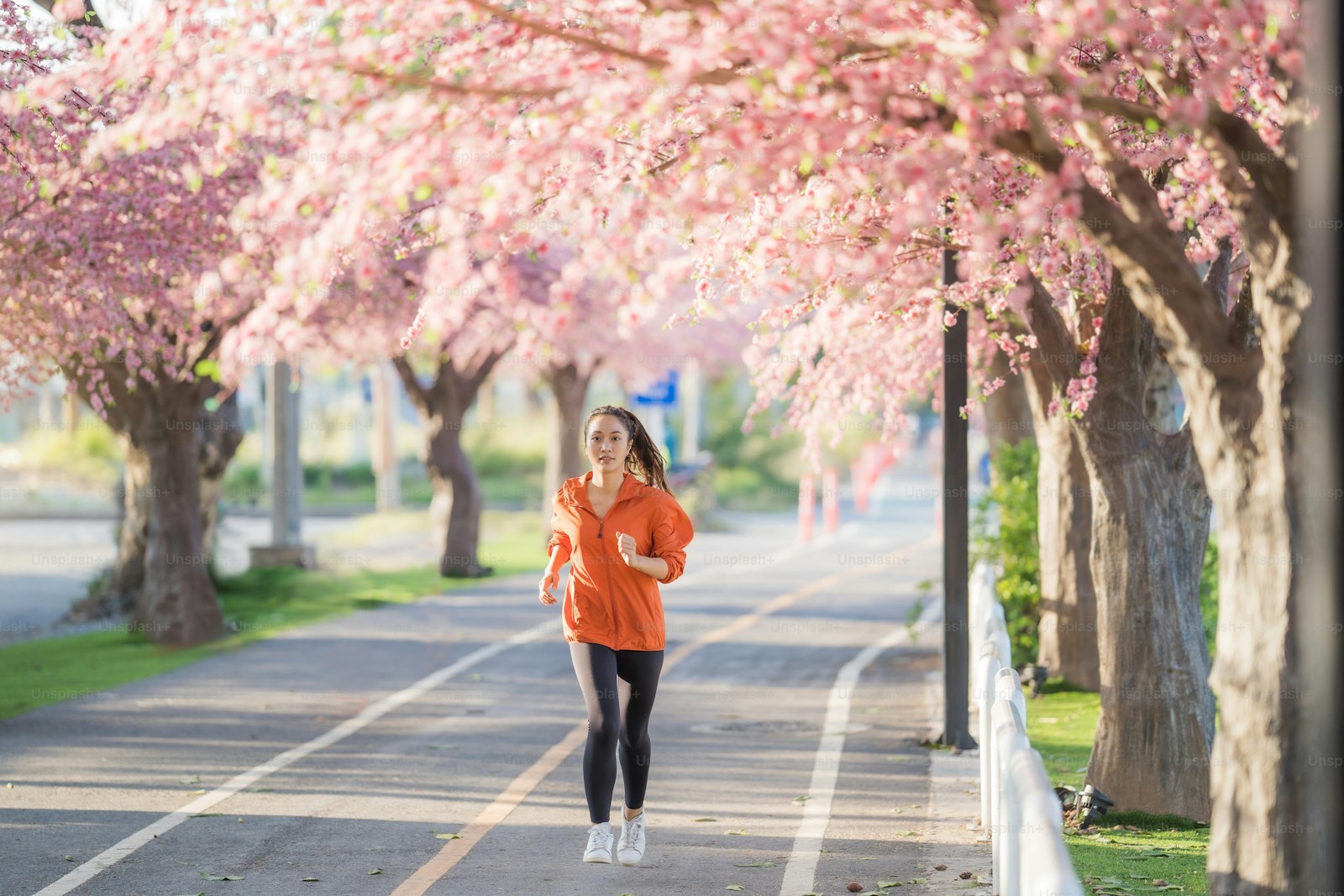
You lace up for an easy Tuesday run, cruise through the first mile, and by mile three your eyes are streaming, your nose has staged a full revolt, and your lungs feel like they’ve shrunk two sizes. Welcome to running in April.
Seasonal allergies don’t just make runners miserable — they can tank workouts and make you feel like you’ve lost fitness overnight. The inflammation, the post-nasal drip, the reduced oxygen flow through a swollen airway — it all adds up to paces that used to feel easy now feeling like tempo runs. The good news: a few targeted adjustments in timing, gear, and fueling can keep your training on track through peak pollen weeks without having to retreat to the treadmill.
Why Running Through Pollen Hits Harder Than You Think
Running dramatically increases your ventilation rate — instead of the ~6 liters of air you move at rest, you’re pulling 60–120 liters per minute. That’s ten to twenty times more pollen, dust, and irritants streaming across your nasal passages and into your lungs in the same window of time.
Most runners also switch to mouth-breathing at moderate-to-hard efforts, which bypasses the nasal filter entirely. That combination — higher dose, weaker filter — is why a mild allergy sufferer can feel fine all day and then fall apart mid-run.
The practical effects are real: studies have documented reduced VO2max, higher perceived exertion, and slower paces in allergic runners during peak pollen exposure. This isn’t in your head.
When to Run (and When Not To)
Pollen counts follow a predictable daily pattern. Tree and grass pollen peak between roughly 5 a.m. and 10 a.m., then dip during midday, and often spike again at dusk. If your schedule is flexible, shifting easy runs to noon or early afternoon can cut your exposure dramatically.
A few rules of thumb:
- Check the count before you go. Apps like Pollen.com, Weather.com, or your national allergy service give next-day forecasts. A count over 9.7 on the common 0–12 scale is a red day — consider the treadmill or a later start.
- Run after rain, not before. Rain washes pollen out of the air and off surfaces. The 12 hours post-rain are often the clearest window of the week. The 12 hours before rain are often the worst, as pressure drops push pollen up.
- Avoid windy days at midday. Wind lifts everything back into the air, especially over grass and tree-lined routes.
Gear Tweaks That Actually Help
You don’t need specialty running gear, but a few small additions make a surprising difference:
- Wraparound sunglasses. Keep pollen out of your eyes on windy days. Clear or yellow lenses work for early morning; dark for midday.
- A brimmed hat or visor. Blocks pollen from falling into your eyes, and gives you a surface to wipe a running nose against if things get dire.
- A thin neck gaiter or buff. Worn loosely over the nose and mouth, it catches a decent fraction of larger particles. Not a pandemic mask — just a filter. Drop it once you warm up if breathing is labored.
- Tissue or a packable cloth. Your nose will run. Plan for it.
When you get home, change clothes immediately and rinse off. Pollen clings to hair, skin, and fabric — if you sit on the couch in your run kit, you’ll keep the symptoms going for hours.
Medication and Timing
Most non-drowsy antihistamines (cetirizine, loratadine, fexofenadine) work best when they’re already in your system before exposure, not after symptoms start. Taking one 12 hours before a morning run is more effective than taking it on the way out the door. Nasal steroid sprays work on a similar curve — they need 3–7 days of daily use to reach full effect. Start them early in the season, not mid-crisis.
One word of caution: decongestants containing pseudoephedrine can elevate heart rate and blood pressure, which affects how hard a run feels and can mask effort signals. Avoid them before key workouts. Check with your doctor if you’re on any other medication.
Fueling and Recovery Matter More Than Usual
Allergy inflammation is a full-body event. Your immune system is burning through resources, your sleep is often worse, and your hydration status drops faster because of the mouth-breathing and post-nasal drip. All of that stacks with the training load.
Prioritize whole-food anti-inflammatory basics: berries, fatty fish, leafy greens, and plenty of water. Post-run, an electrolyte drink replaces the sodium and potassium you lose through sweat and mucus production — runners often turn to pickle juice–based options like Fast Pickle during pollen season specifically because the sodium load helps rehydrate faster and the acetic acid may help settle post-exercise queasiness. Pair that with 20–30g of protein within two hours of finishing, same as any hard session.
Skimp on recovery in allergy season and you won’t just feel bad — you’ll see it in your workouts for the next week.
When to Back Off
Most runners can push through moderate allergies with the adjustments above. But there’s a line: if you’re wheezing, if your chest feels tight, or if you’re needing to stop mid-run to catch your breath at easy effort, that’s a signal to pull back and see a doctor. Exercise-induced asthma frequently shows up alongside allergies, and it’s very treatable once diagnosed — but it shouldn’t be muscled through.
Also consider cutting speed work during the worst 2–3 weeks of peak pollen. Intervals at half-capacity don’t build much, and the added inflammation slows your recovery. Shift the block toward easy aerobic miles and strides, then return to quality work once counts drop.
The Bottom Line
Allergy season isn’t a training setback — it’s a variable to work around, like heat or altitude. Plan your week around pollen forecasts, dose medication proactively, layer in simple gear tweaks, and take recovery seriously. By mid-May in most climates, the worst is over, and the runners who adjusted their training will arrive at summer with fitness intact while the white-knuckle crowd is digging out of a two-month hole.
Leave a Reply