
-
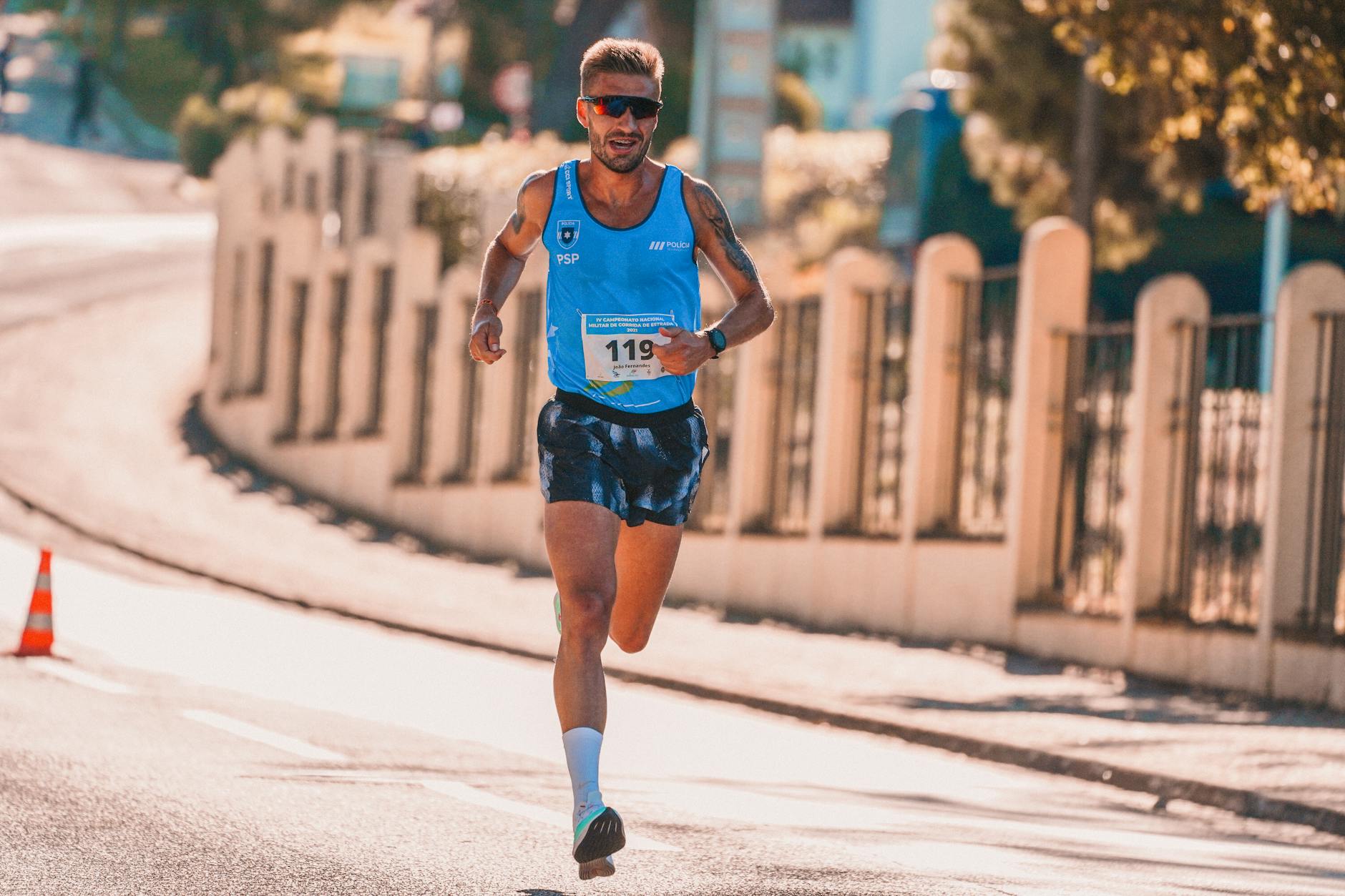
Transitioning to minimalist running shoes requires a 12–16 week progressive protocol that gradually reduces heel-toe drop while building intrinsic foot strength and Achilles tolerance—rushing the switch is the leading cause of plantar fasciitis and metatarsal stress injuries in runners making the change.
-
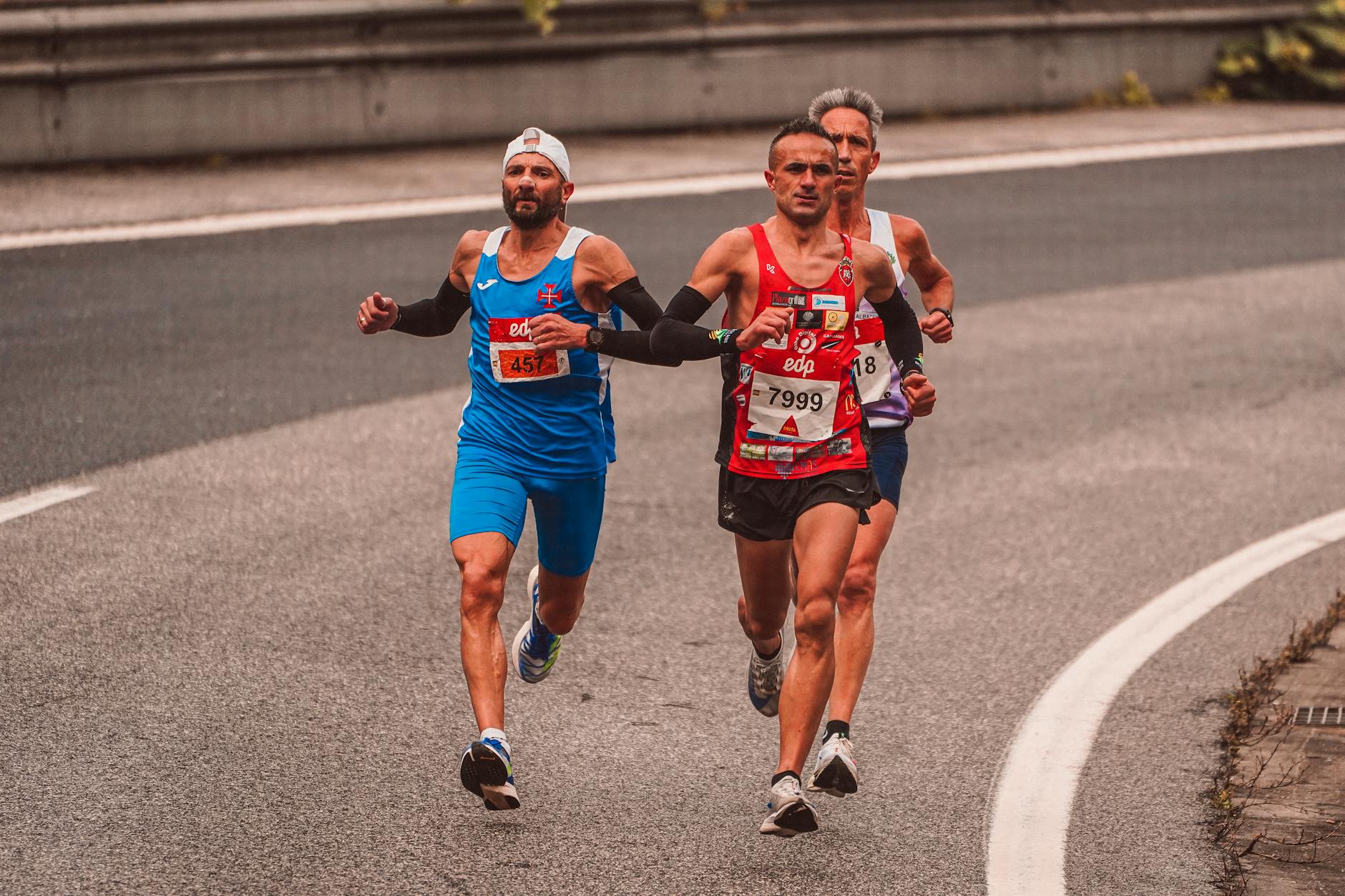
The best minimalist road racing shoes in 2026 balance low stack (15–22 mm), minimal drop (0–6 mm), and race-day responsiveness without sacrificing durability. Top picks include models under 200 g that preserve ground feel while offering enough cushion for threshold-pace repeats and race distances from 5K to marathon.
-

Overtraining manifests through seven measurable physiological and performance markers: elevated resting heart rate (5+ bpm above baseline), chronic fatigue lasting beyond 72 hours post-run, declining performance despite consistent effort, disrupted sleep architecture, persistent muscle soreness exceeding 48 hours, increased injury susceptibility, and mood disturbances. Monitor these signs using quantifiable baselines to distinguish productive training stress…
-
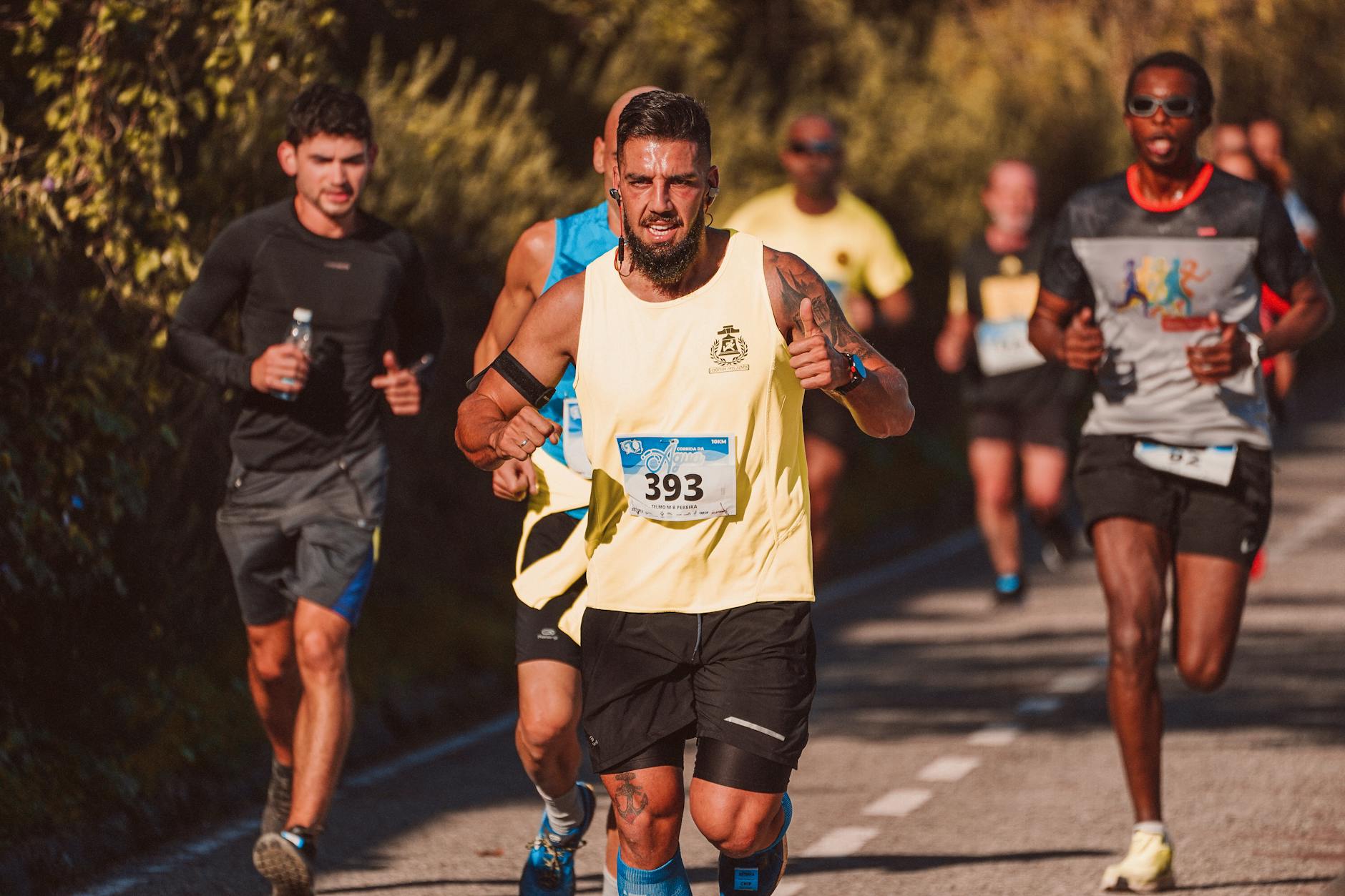
Tempo runs and threshold runs overlap significantly—both train your body to clear lactate efficiently—but tempo typically spans a slightly broader pace range (10K to half-marathon effort), while threshold targets the precise lactate turnpoint (around one-hour race pace).
-

Research shows that increasing cadence by 5-10% above your baseline reduces peak braking forces by 20% and lowers load on the knee and hip, while higher step rates at the same speed improve running economy by shortening ground contact time.
-

The six most effective strength exercises for runners are single-leg Romanian deadlifts, Bulgarian split squats, calf raises, side planks, hip thrusts, and resisted hip flexion—each targeting specific biomechanical demands of the running gait.
-
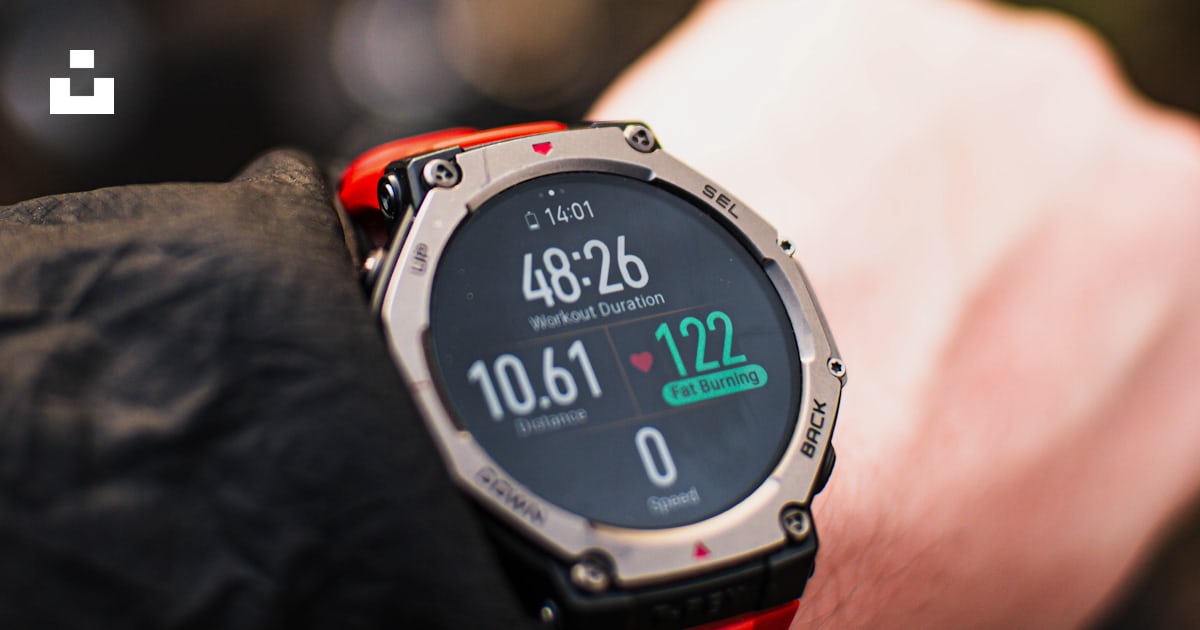
Why does your heart rate climb 10-20 bpm during a long run even when your pace stays the same? It’s called cardiac drift, and it’s not a fitness problem—it’s a window into how your body handles heat, hydration, and fatigue.
-
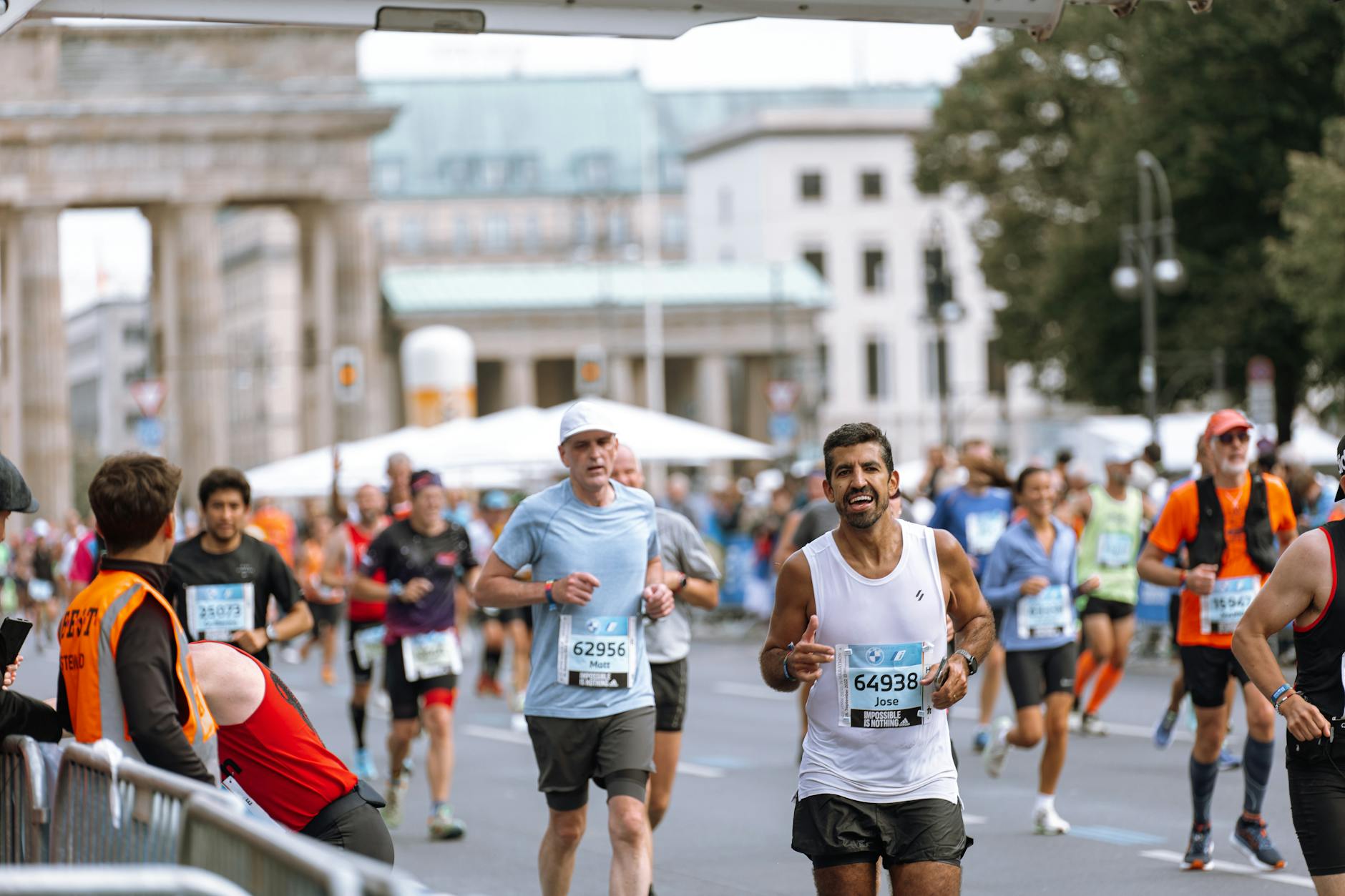
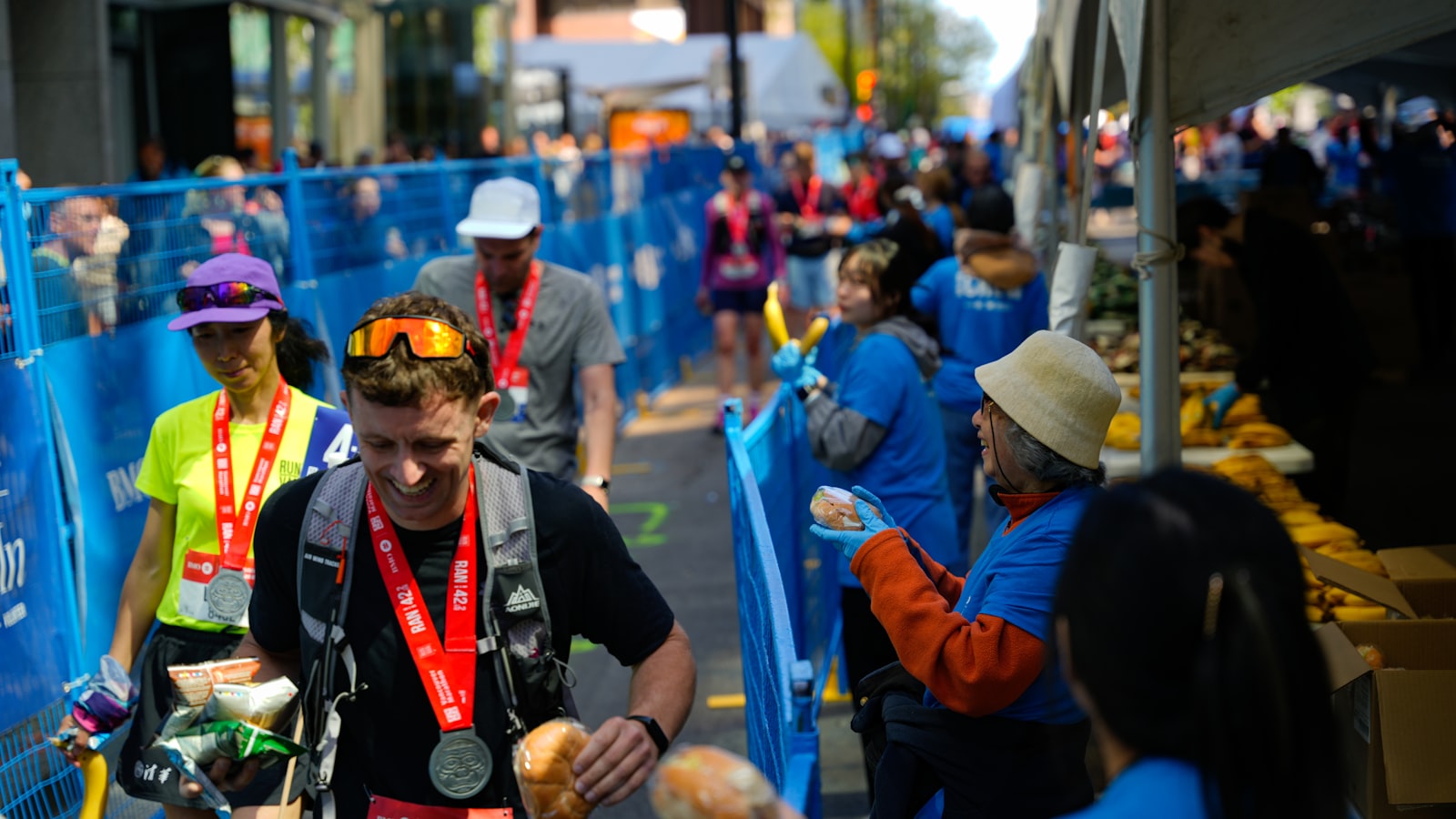
Full marathon recovery takes 3–4 weeks. The first 7–10 days require complete rest or light cross-training, followed by gradual return to easy running in week two, and careful reintroduction of intensity in weeks three and four based on tissue repair timelines and glycogen restoration.
-
Kenya’s Sabastian Sawe ran 1:59:30 in London to become the first man to break two hours in a record-eligible marathon. Three lessons recreational runners can take from a historic morning along the Thames.
-

The 180 steps-per-minute target gets repeated everywhere, but the latest 2025 biomechanics research tells a more useful story. Here’s how to find your baseline, raise it safely, and get the injury and efficiency benefits without chasing a magic number.

☀
--°
Loading weather...
Detecting location...