

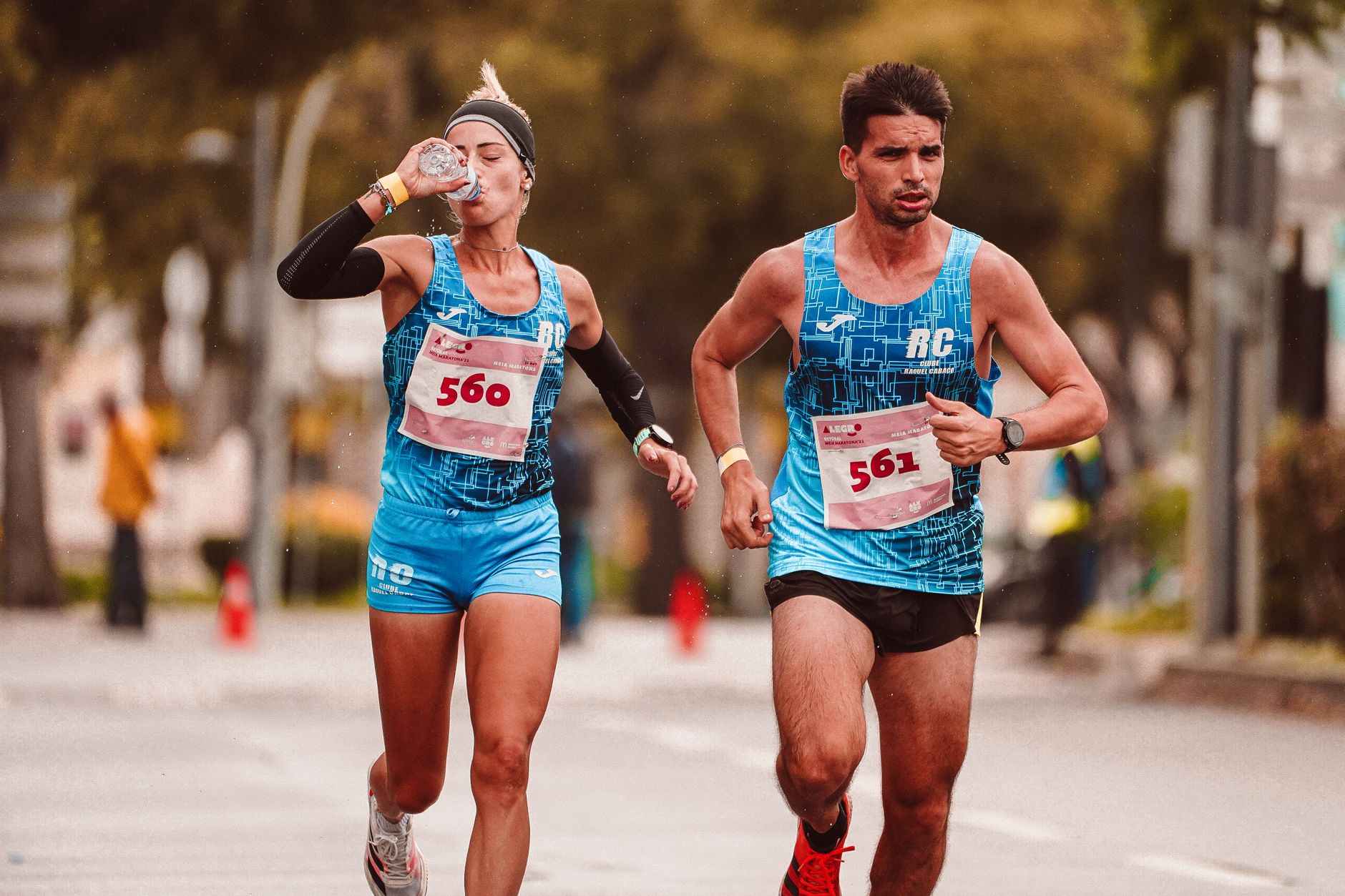
The best hydration strategy for long runs matches fluid intake to individual sweat rate—typically 400–800 mL per hour—includes sodium at 300–600 mg per hour for efforts over 90 minutes, and begins 2–4 hours before you start with 5–7 mL of fluid per kilogram of body weight. This personalized approach, grounded in American College of Sports Medicine guidelines and sweat-loss physiology, prevents both dehydration and the dangerous overdrinking that leads to hyponatremia.
How much fluid do runners actually need during long runs?
Most runners require 400–800 mL of fluid per hour during long runs, but your exact need depends on body size, pace, temperature, and humidity. The American College of Sports Medicine recommends individualizing intake based on sweat rate rather than adhering to a one-size-fits-all prescription. A 150-pound runner logging easy miles in 50°F weather may lose 400 mL per hour, while the same athlete racing a half-marathon in 75°F heat could sweat 900 mL per hour or more.
Drinking to thirst is a validated baseline strategy—your body’s thirst mechanism evolved to regulate fluid balance—but it has limits. In hot or humid conditions, thirst signals can lag behind actual losses, leading to a 2–3% body-weight deficit that measurably slows pace and raises core temperature. Conversely, some runners overdrink out of anxiety, diluting blood sodium and risking hyponatremia. The most reliable method is a sweat-rate test: weigh yourself naked before and after a 60-minute run at goal long-run pace, account for any fluid consumed, and calculate the difference in kilograms or liters. That number, converted to milliliters per hour, becomes your hydration target.
Practical checkpoints during the run include monitoring urine color (pale yellow is ideal) and weighing yourself before and after to confirm you’re finishing within 2% of your starting weight. Losing more than 2% signals under-hydration; gaining weight indicates overdrinking. Both impair performance and safety, so tracking your personal sweat rate is the cornerstone of an effective hydration plan.
Why sodium matters more than most runners think
Sodium replacement becomes critical on runs exceeding 90 minutes because sweat carries 900–1,200 mg of sodium per liter, and plain water cannot replace that electrolyte loss. Research published in the Journal of Athletic Training and sports-dietetics consensus statements recommend 300–600 mg of sodium per hour for endurance efforts. Heavier sweaters—those who finish runs with visible salt residue on skin or clothing—should target the upper end of that range, while lighter sweaters can stay closer to 300 mg.
Hyponatremia, a dangerous drop in blood sodium concentration, occurs when runners consume large volumes of water without adequate electrolytes. Symptoms include nausea, confusion, swelling in hands and feet, and in severe cases, seizures. The condition is more common in slower marathoners who drink at every aid station but carry no sodium, and it has caused fatalities in major races. Adding sodium to your hydration plan mitigates this risk and supports plasma volume, muscle contraction, and nerve signaling.
Common sodium sources for long runs include:
- Electrolyte tabs or powders mixed into water bottles (typically 200–400 mg per serving)
- Energy gels with added salt (80–200 mg per packet, check labels)
- Whole-food options like pretzels or salted nut butter (variable, estimate 100–150 mg per serving)
- Sports drinks with 14–20 mmol/L sodium concentration (roughly 300–460 mg per 16 oz)
Choose what your stomach tolerates during sustained effort. Some runners prefer the convenience of tabs, while others find gels more palatable. The key is consistency: practice your sodium strategy on training plans well before race day so your gut adapts to the osmotic load.
The pre-run hydration window: 2–4 hours before you start
Starting your long run properly hydrated requires consuming 5–7 mL of fluid per kilogram of body weight 2–4 hours beforehand. For a 70 kg (154 lb) runner, that translates to 350–490 mL—roughly 12–17 ounces. This early window allows your kidneys to process the intake, regulate plasma volume, and excrete excess fluid before you leave the house, minimizing urgent bathroom stops in the first miles.
Waiting until 30 minutes before the run forces your kidneys into overdrive, leaving unabsorbed fluid sloshing in your stomach and prompting mid-run detours. Conversely, hydrating the night before without a morning top-off means you wake dehydrated from overnight respiratory and metabolic losses. The 2–4 hour protocol balances these competing demands.
Urine color serves as a practical field check: pale yellow (the color of lemonade) about an hour before you start indicates adequate hydration, while dark amber signals you need another 200–300 mL. Avoid chugging a liter in the final hour—gentle sipping over the full window is easier on your stomach and kidneys.
Pair this pre-run hydration with a small carbohydrate snack (a banana, toast with honey, or an energy bar) to top off liver glycogen without triggering gastrointestinal distress. The combination of moderate fluid and easily digestible carbs sets the metabolic stage for sustained effort, especially on runs lasting 90 minutes or longer where glycogen depletion becomes a limiting factor.
Practical hydration tactics for different long-run scenarios
Hydration logistics change based on terrain, weather, and distance. Here’s how to adapt your strategy across common long-run scenarios:
Road loops with water caches: If you run repeating loops or out-and-back routes near home, stash water bottles every 2–3 miles (20–30 minutes at long-run pace). Carry a 500 mL handheld for the first loop, then swap it for a fresh bottle on each pass. This approach minimizes carry weight while ensuring access every 20–30 minutes, matching the typical gastric emptying interval. In moderate temperatures, 500 mL per loop is sufficient for most runners; in heat, double-bottle your caches or plan shorter loops.
Trail runs with vest or handheld: Trail efforts often lack aid-station infrastructure, so a hydration vest carrying 1.5–2 liters becomes essential for runs over 90 minutes. Soft flasks distribute weight better than hard bottles and allow you to squeeze fluid out on steep climbs when breathing hard. For 10–12 mile trail runs in mild weather, a single 500 mL handheld can suffice if you’re comfortable with the grip fatigue. Test both systems on easier runs to find your preference before incorporating them into goal-pace race nutrition advice.
Hot and humid days: Heat stress can double your sweat rate, pushing hourly losses from 600 mL to 1,200 mL or more. On these days, increase your pre-run intake to 7 mL/kg, carry extra capacity (2 liters in a vest rather than 1.5), and plan water refills every 45–60 minutes. Add ice to bottles if possible—cold fluids empty from the stomach faster and provide a small core-cooling benefit. Sodium needs also rise; aim for 500–600 mg per hour to match elevated sweat-salt losses.
Cold weather: Thirst cues are blunted in temperatures below 40°F, and runners often under-hydrate despite continued sweat losses from metabolic heat production. Set a timer to drink every 20 minutes rather than relying on thirst, and insulate bottles or use an insulated hydration tube to prevent freezing. You’ll still lose 300–500 mL per hour in the cold, just with less perceived urgency.
Carbonation, caffeine, and sugar concentration: Carbonated drinks slow gastric emptying and can cause bloating during hard efforts—save them for post-run. Moderate caffeine (50–100 mg, roughly half a cup of coffee) can enhance endurance, but doses above 200 mg may increase urine output and gastrointestinal upset. Sugar concentration matters: isotonic drinks (6–8% carbohydrate) empty quickly, while hypertonic solutions above 10% can delay absorption and cause cramping. Stick to sports drinks in the 6–8% range for optimal fluid and carbohydrate delivery.
How to calculate your personal sweat rate in three steps
A sweat-rate test transforms generic hydration advice into a personalized prescription. Conduct the test on a day when you plan a 60-minute run at your typical long-run pace, ideally in weather conditions similar to your upcoming race or key training sessions.
Step 1: Weigh yourself naked before the run. Use a digital scale accurate to 0.1 kg (0.2 lb) and record your weight. Empty your bladder first to avoid skewing the measurement. Note the temperature, humidity, and your planned pace—these variables affect sweat rate, so you may need separate tests for hot summer runs versus cool fall efforts.
Step 2: Run for 60 minutes at goal long-run pace and track fluid consumed. If you drink from a bottle mid-run, weigh it before and after to calculate intake in milliliters or ounces. Most runners consume 200–400 mL during an hour-long run, though some drink nothing. Keep the effort steady—surging into tempo pace increases sweat rate and invalidates the baseline measurement.
Step 3: Weigh yourself naked immediately after, then calculate sweat loss. The formula is: (pre-run weight – post-run weight) + fluid consumed = sweat loss. Convert the result to milliliters per hour. For example, if you weighed 70.0 kg before, 69.4 kg after, and drank 300 mL, your sweat loss is (70.0 – 69.4) kg × 1,000 mL/kg + 300 mL = 600 + 300 = 900 mL per hour.
Repeat the test in different temperatures and at different paces. A runner who sweats 700 mL/hour at 8:30 pace in 60°F weather may lose 1,100 mL/hour at 7:45 pace in 80°F heat. Building a sweat-rate profile across conditions allows you to adjust hydration targets dynamically rather than guessing.
The 2% body-weight threshold is the upper safe limit before performance declines. For a 70 kg runner, that’s 1.4 kg (1,400 mL) of fluid loss. On a two-hour run with a 700 mL/hour sweat rate, you’d lose 1,400 mL total—right at the threshold if you drink nothing. Consuming 400–500 mL per hour keeps you within 500–600 mL of deficit (under 1% body weight), preserving pace and reducing injury risk from compromised coordination.
This data integrates seamlessly into your broader training structure, complementing injury prevention guides that emphasize hydration’s role in thermoregulation and joint lubrication during high-mileage weeks.
Frequently Asked Questions
How much water should I drink per hour on a long run?
Most runners need 400–800 mL of fluid per hour during long runs, depending on sweat rate, pace, and environmental conditions. Conduct a sweat-rate test by weighing yourself before and after a 60-minute run at goal pace, accounting for any fluid consumed, to determine your personal hourly loss. In hot or humid weather, aim toward the upper end of the range.
Do I need electrolytes for runs shorter than 90 minutes?
For runs under 90 minutes at moderate intensity, plain water is usually sufficient for most runners. Beyond 90 minutes, add 300–600 mg of sodium per hour to replace sweat losses and reduce hyponatremia risk. Electrolyte tabs, gels with added salt, or sports drinks all work; choose based on what your stomach tolerates during sustained effort.
What is a sweat-rate test and why does it matter?
A sweat-rate test measures how much fluid you lose per hour of running by weighing yourself naked before and after a 60-minute run and tracking any fluid consumed. The calculation—pre-weight minus post-weight plus fluid intake—reveals your hourly sweat loss in milliliters. Knowing your sweat rate lets you tailor hydration to your body rather than relying on generic guidelines that may over- or under-hydrate you.
How early before a long run should I start hydrating?
Begin hydrating 2–4 hours before your long run by consuming 5–7 mL of fluid per kilogram of body weight—roughly 350–490 mL for a 70 kg runner. This window allows your kidneys to regulate plasma volume and minimizes the need for mid-run bathroom breaks. Check urine color about an hour before you start; pale yellow indicates adequate hydration.
Can I rely on thirst alone during a long run?
Drinking to thirst is a validated baseline strategy and works well for many runners in moderate conditions. However, thirst signals can lag in hot, humid weather or be blunted in the cold, leading to under-hydration or overdrinking. Combining thirst cues with a sweat-rate calculation and monitoring body-weight loss (aim for less than 2%) provides a safer, more personalized approach for long efforts.
What hydration gear should I use for runs over two hours?
For runs over two hours, a hydration vest carrying 1.5–2 liters is the most practical option, especially in warm weather or on trails where aid is sparse. Handheld bottles (500 mL) work for shorter long runs with accessible water caches every few miles. Choose soft flasks or reservoirs that won’t slosh, and practice carrying fluid on easier runs to dial in comfort and sipping rhythm before race day.
Leave a Reply