

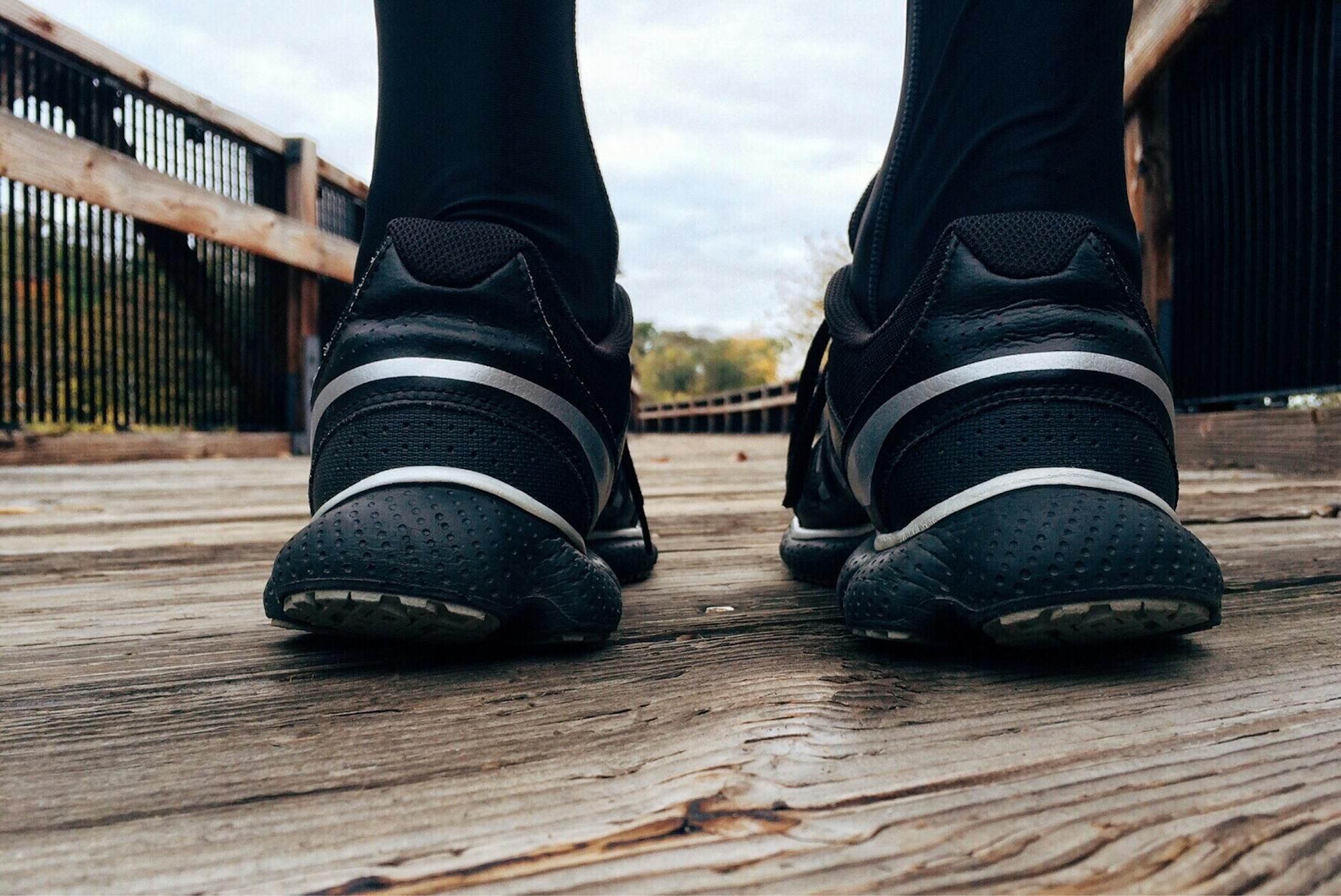
Current evidence shows minimalist running shoes do not universally reduce injury risk long term. While they may lower knee stress and certain overuse injuries by an average of 13%, they increase foot and ankle injury rates by 26%—particularly metatarsal stress fractures and Achilles tendinopathy. The net injury burden remains statistically similar between minimalist and traditional footwear; what changes is injury location, not total incidence.
What does the long-term injury data actually show?
The 2022 British Journal of Sports Medicine systematic review tracked approximately 3,200 runners over 12 to 52 weeks and found that minimalist footwear shifted injury patterns rather than eliminating them. Minimalist runners showed 13% lower knee injury incidence but 26% higher foot and ankle injury rates compared to those in traditional cushioned shoes. The total number of injured runners remained statistically similar between groups—around 22 to 25% across both cohorts.
Specific injuries tell the real story. Patellofemoral pain syndrome and IT band syndrome decreased in minimalist shoe users, while metatarsal stress fractures (especially in the second and third metatarsals) and Achilles tendinopathy increased. This trade-off matters: a runner switching to minimalist shoes to fix knee pain may develop a stress fracture that sidelines them for eight to twelve weeks. The research suggests minimalist footwear redistributes load rather than reducing it.
Which injuries decrease in minimalist shoes?
Three injury types show consistent reduction in minimalist footwear across multiple studies:
- Patellofemoral pain syndrome – pain behind or around the kneecap during running
- IT band syndrome – lateral knee pain from iliotibial band friction
- Tibial stress syndrome – shin splints along the medial tibia
The mechanism is biomechanical. A 2014 Harvard study measured a 23% reduction in peak knee flexion moment in minimalist shoe runners compared to traditional footwear. Lower vertical ground reaction force impulse—the total force applied over the stance phase—also reduces compressive stress on knee cartilage. Runners with a history of chronic knee pain saw the greatest benefit, with some studies reporting up to 40% symptom reduction over six months.
Forefoot and midfoot striking patterns, encouraged by minimalist shoes’ low heel-to-toe drop, naturally reduce braking forces at the knee. This gait adjustment transfers load posteriorly—toward the Achilles, calf, and metatarsals—which explains the injury trade-off seen in long-term data.
Which injuries increase in minimalist shoes?
The flip side of reduced knee loading is increased stress on the foot and lower leg. Three injuries appear more frequently in minimalist shoe runners:
- Metatarsal stress fractures – particularly the second and third metatarsals, which bear peak forefoot load
- Achilles tendinopathy – overuse injury from increased tendon strain during propulsion
- Plantar fasciitis – heel and arch pain, especially during the transition phase
A 2013 gait analysis found Achilles tendon strain increased up to 15% in minimalist footwear due to higher ankle plantarflexion demands. The forefoot-loading pattern places repetitive stress on metatarsal bones before they’ve adapted through bone remodeling, a process requiring eight to twelve weeks. Research tracking first-time minimalist users found that 60% of runners who transitioned in under eight weeks experienced foot pain, and 18% developed diagnosable injuries within six months.
The plantar fascia—connective tissue spanning the arch—also absorbs greater tensile load without the cushioning buffer of traditional midsoles. This is why plantar fasciitis spikes during weeks three to eight of a transition, then often resolves as intrinsic foot muscles strengthen.
Does transition protocol determine long-term success?
Yes—transition speed is the strongest predictor of injury outcomes in minimalist footwear. A 2019 randomized controlled trial compared runners following a structured 10-week gradual protocol (starting at 10% weekly volume, adding 10% per week) against those who switched abruptly. The gradual group saw a 4.2% injury rate, while the abrupt-switch group experienced 31% injury incidence over 18 months.
The protocol structure matters as much as duration:
- Weeks 1–2: Walking only in minimalist shoes, 20 to 30 minutes daily
- Weeks 3–4: 10% of weekly running volume in minimalist shoes (e.g., 2 miles of a 20-mile week)
- Weeks 5–10: Progressive 10% weekly increases, capping at 50% total volume
Most published injury data comes from runners who did not follow structured transitions. Observational studies of recreational runners show that 70% attempt to incorporate minimalist shoes into at least 50% of their training within four weeks—far faster than tissue adaptation timelines allow. This mismatch between enthusiasm and biology drives the high injury rates reported in early minimalist shoe research.
What is the evidence-based transition timeline?
A safe transition requires 12 to 16 weeks minimum, based on the consensus of sports medicine studies and tissue remodeling physiology. Breaking this into phases helps runners understand why shortcuts fail:
Adaptation phase (weeks 1–4): Neuromuscular patterning and proprioceptive adjustments. The nervous system learns to activate intrinsic foot muscles and adjust ankle stiffness. No significant structural changes occur yet, so injury risk from overuse is high if volume increases too quickly.
Strengthening phase (weeks 5–10): Tendon and bone remodeling in response to new loading patterns. The Achilles tendon thickens, metatarsal cortical bone density increases, and plantar fascia stiffness adjusts. This phase takes eight to twelve weeks because bone remodeling—driven by osteoblast and osteoclast activity—cannot be accelerated through training alone.
Integration phase (weeks 11–16): Full training volume in minimalist shoes, if desired. Most runners plateau at 50 to 70% of weekly mileage in minimalist footwear and reserve traditional shoes for long runs and hard workouts. This hybrid approach reduces overuse injury risk while maintaining the foot-strengthening benefits.
Runners over age 40 or those with previous lower-extremity injuries may require 20 to 24 weeks. Bone remodeling slows with age, and older runners show higher dropout rates (43% vs. 19% in under-30 cohorts) when attempting minimalist transitions.
Does baseline foot strength predict injury outcomes?
Yes—intrinsic foot strength is the single best predictor of minimalist shoe injury risk. A 2021 study of 156 runners measured baseline toe flexion strength using dynamometry and tracked injuries over 18 months. Runners with intrinsic foot strength above 30% of body weight had a 68% lower injury rate in minimalist shoes compared to those below 20% body weight.
The mechanism is straightforward: weak foot musculature cannot stabilize the increased forefoot load imposed by minimalist footwear. Key muscles include:
- Flexor hallucis brevis – stabilizes the big toe during push-off
- Abductor hallucis – supports the medial arch
- Lumbricals – control toe alignment and distribute load across metatarsal heads
Most recreational runners score below 20% body weight on baseline testing because traditional cushioned shoes reduce the need for intrinsic foot muscle activation. This creates a catch-22: the runners most likely to benefit from minimalist shoes (those with weak feet contributing to knee pain) are also the least prepared to handle the transition safely.
Testing is simple but rarely performed outside research settings. A practical proxy: if you cannot perform 20 single-leg heel raises with controlled descent or hold a short-foot position (arch lifted, toes flat) for 30 seconds, your intrinsic foot strength is likely insufficient for immediate minimalist shoe use.
Which foot-strengthening exercises transfer to injury prevention?
Three exercises show the strongest evidence for reducing minimalist shoe injury risk when performed for six to eight weeks before transitioning:
Short-foot exercise: Activate the arch by drawing the ball of the foot toward the heel without curling the toes. EMG studies show 56% greater activation in arch muscles compared to passive standing. Perform three sets of 15 reps daily, holding each contraction for five seconds.
Single-leg heel raises: Strengthen the plantar flexors (gastrocnemius, soleus) and improve ankle stability. These muscles absorb impact forces that minimalist shoes no longer cushion. Progress from double-leg to single-leg, then add controlled three-second descents. Aim for three sets of 15 reps per leg daily.
Toe yoga (splaying): Isolate and activate each toe independently, strengthening the lumbricals and interossei. This improves load distribution across metatarsal heads and reduces stress fracture risk. Practice five minutes daily—most runners require four to six weeks before achieving independent control.
Research shows that runners who complete eight weeks of daily foot strengthening before transitioning have injury rates comparable to those who remain in traditional shoes (around 8 to 10%). Without pre-strengthening, first-year injury rates in minimalist shoes climb to 25 to 30%. For runners considering strength exercises that transfer to running performance, prioritizing foot-specific work before a minimalist transition offers measurable injury prevention benefits.
Does running surface affect minimalist shoe injury risk?
Yes—surface type significantly alters injury risk in minimalist footwear. A 2020 biomechanics study measured impact loading across surfaces and found that trails and grass reduced peak ground reaction forces by 18 to 22% compared to asphalt. Concrete increased impact forces by 12% over asphalt, making it the highest-risk surface for minimalist shoe use.
The difference stems from surface compliance. Softer surfaces absorb some of the energy that would otherwise transfer through the foot and lower leg. Minimalist shoes provide minimal cushioning, so this surface-level absorption becomes critical. Runners transitioning on concrete or hard-packed asphalt face higher metatarsal stress fracture rates—one study found a 2.4× increase compared to those who transitioned on grass and dirt trails.
Most laboratory biomechanics research uses treadmills, which do not replicate real-world terrain variability. Treadmill belts reduce impact forces by 8 to 12% compared to outdoor asphalt, meaning that injury risk estimates from lab studies may underestimate real-world outcomes. Trail runners also encounter roots, rocks, and uneven terrain that demand greater foot and ankle stability—factors that can either strengthen feet (through varied loading) or increase acute injury risk (through missteps) depending on the runner’s skill and adaptation level.
Practical recommendation: Start your minimalist transition on grass, dirt trails, or rubberized tracks for the first six to eight weeks. Introduce asphalt gradually after week eight, and avoid concrete entirely during the first 12 weeks. Runners who must train primarily on roads should consider whether the injury trade-offs justify the transition at all.
Are certain runner profiles better suited to minimalist footwear?
Yes—specific biomechanical and demographic factors predict successful minimalist shoe adoption. Runners with the following characteristics show lower injury rates and higher satisfaction over 12 to 18 months:
- Forefoot or midfoot strikers (vs. heel strikers)
- History of chronic knee pain (patellofemoral or IT band issues)
- Body weight under 165 pounds
- Weekly mileage under 30 miles
A 2018 observational study found that heel-strikers who transitioned to minimalist shoes had a 3.1× higher Achilles injury rate compared to forefoot strikers. This is because heel-strikers must completely relearn their gait pattern—a neuromotor skill that takes months to automate. The temporary mismatch between intent (forefoot landing) and execution (heel landing with inadequate cushioning) creates injury risk that forefoot strikers avoid.
Body weight matters because ground reaction forces scale with mass. A 200-pound runner generates approximately 560 pounds of peak force per footstrike, compared to 400 pounds for a 140-pound runner. Minimalist shoes transfer more of this force to the foot and lower leg, so heavier runners face proportionally greater tissue stress. Observational data shows injury rates plateau around 165 pounds and rise steeply above 180 pounds.
Age is another factor: runners over 40 showed slower adaptation and higher dropout rates (43% vs. 19% in under-30 groups). Bone remodeling slows with age, and older runners often have less intrinsic foot strength due to decades in cushioned shoes. This doesn’t mean minimalist shoes are off-limits after 40—only that the transition timeline should extend to 20 to 24 weeks, and expectations should adjust accordingly.
Runners logging more than 30 miles per week face cumulative load challenges. Even with perfect form, the repetitive forefoot loading in minimalist shoes over high weekly volume increases overuse injury risk. Most high-mileage runners who successfully incorporate minimalist shoes cap their use at 20 to 30% of total volume.
Should most runners switch to minimalist shoes?
No—current evidence does not support a blanket recommendation for minimalist footwear. Traditional cushioned shoes remain appropriate for most runners, especially those who are injury-free and meeting their training goals. The principle “if it’s not broken, don’t fix it” applies: injury risk from an unnecessary transition often outweighs speculative benefits.
Minimalist shoes are a tool for specific scenarios, not a universal upgrade:
- Rehabbing knee injuries: Runners with chronic patellofemoral pain or IT band syndrome may benefit from reduced knee flexion moments. Work with a physical therapist to determine if footwear is the appropriate intervention.
- Addressing movement pattern issues: Overstriders or heavy heel-strikers sometimes benefit from minimalist shoes’ proprioceptive feedback, which encourages midfoot landing. However, gait retraining cues and drills often achieve the same outcome without injury risk.
- Adding training variety: Rotating between shoe types—cushioned for long runs, minimalist for strides or short easy runs—builds foot strength and prevents repetitive strain injury from identical daily loading.
The injury data is clear: minimalist shoes change where you get injured, not whether you get injured. A runner switching from traditional to minimalist shoes faces a 12 to 16 week period of elevated injury risk during the transition, even with perfect protocol adherence. For the majority of runners, this risk is not justified by the modest knee injury reduction observed in long-term studies.
A hybrid approach offers the best risk-benefit profile. Use minimalist shoes for 10 to 20% of weekly volume—short easy runs (20 to 30 minutes), strides, or warm-ups—to build intrinsic foot strength without full commitment. This strategy provides foot-strengthening benefits while preserving the protective cushioning of traditional shoes for high-mileage days and hard workouts. Runners can integrate foot strengthening without gambling their training consistency on a months-long transition.
For runners interested in evidence-based training adjustments for injury-prone runners, addressing training errors (excessive mileage progression, insufficient recovery, lack of strength work) typically yields greater injury reduction than footwear changes. Shoes are one variable among many—and often not the most impactful.
Frequently Asked Questions
How long does it take to safely transition to minimalist running shoes?
A safe, evidence-based transition requires 12 to 16 weeks minimum. Start with walking-only for two weeks, then limit minimalist shoe use to 10% of your weekly running volume. Increase by no more than 10% per week. This gradual protocol allows bone remodeling (8 to 12 weeks) and tendon adaptation, reducing injury risk. Studies show runners who transition in under eight weeks experience injury rates above 30%, compared to just 4% with structured timelines.
Do minimalist shoes prevent running injuries better than traditional shoes?
No, minimalist shoes do not universally prevent injuries—they shift injury location. Research shows 13% lower knee injury rates but 26% higher foot and ankle injury rates in minimalist runners. Patellofemoral pain and IT band syndrome decrease, while metatarsal stress fractures and Achilles tendinopathy increase. Net injury burden remains statistically similar. Whether minimalist shoes reduce your personal injury risk depends on your injury history, foot strength, and transition protocol, not shoe type alone.
Which runners should avoid minimalist shoes entirely?
Runners over 165 pounds, those logging more than 30 miles per week, heel-strikers unwilling to modify gait, and anyone over 40 without prior minimalist experience face higher injury risk. Heel-strikers show 3.1 times higher Achilles injury rates when transitioning. Runners with osteoporosis, previous metatarsal stress fractures, or weak intrinsic foot strength (under 20% body weight on flexion tests) should also avoid minimalist footwear or work with a physical therapist before attempting a transition.
Can I wear minimalist shoes for all my runs after transitioning?
Most sports medicine experts recommend against 100% minimalist shoe use, even after a full transition. A hybrid approach—using minimalist shoes for 10 to 20% of weekly volume—builds foot strength while preserving the protective benefits of cushioned shoes for high-mileage days and hard surfaces. This strategy reduces overuse injury risk from repetitive high forefoot loading. Reserve minimalist shoes for easy runs, strides, and softer surfaces like grass or trails.
What foot exercises should I do before switching to minimalist shoes?
Begin six to eight weeks of daily foot strengthening before transitioning. Perform short-foot exercises (activating the arch without curling toes), single-leg heel raises, and toe yoga (spreading and isolating each toe). Aim for three sets of 15 reps daily. Research shows runners with intrinsic foot strength above 30% of body weight have 68% lower injury rates in minimalist shoes. These exercises prepare the flexor hallucis brevis, abductor hallucis, and lumbricals to handle increased forefoot load.
Does running surface matter when using minimalist shoes?
Yes, surface significantly affects injury risk in minimalist footwear. Trails and grass reduce impact loading by 18 to 22% compared to asphalt, while concrete increases impact forces by 12% over asphalt. Start your minimalist transition on softer surfaces for the first six to eight weeks, then gradually introduce harder terrain. Avoid concrete entirely during early phases. Most biomechanics research uses treadmills, which do not replicate real-world impact variability, so adjust expectations accordingly.
Will minimalist shoes fix my knee pain?
Minimalist shoes may reduce certain knee injuries—specifically patellofemoral pain syndrome—by lowering peak knee flexion moments by an average of 23%. Runners with chronic knee pain showed the greatest benefit in long-term studies. However, this comes with increased risk of foot and ankle injuries. Consult a physical therapist or sports medicine physician before using footwear as an injury treatment. Addressing underlying biomechanical issues, strength imbalances, and training errors is more reliable than shoe changes alone.
Leave a Reply