

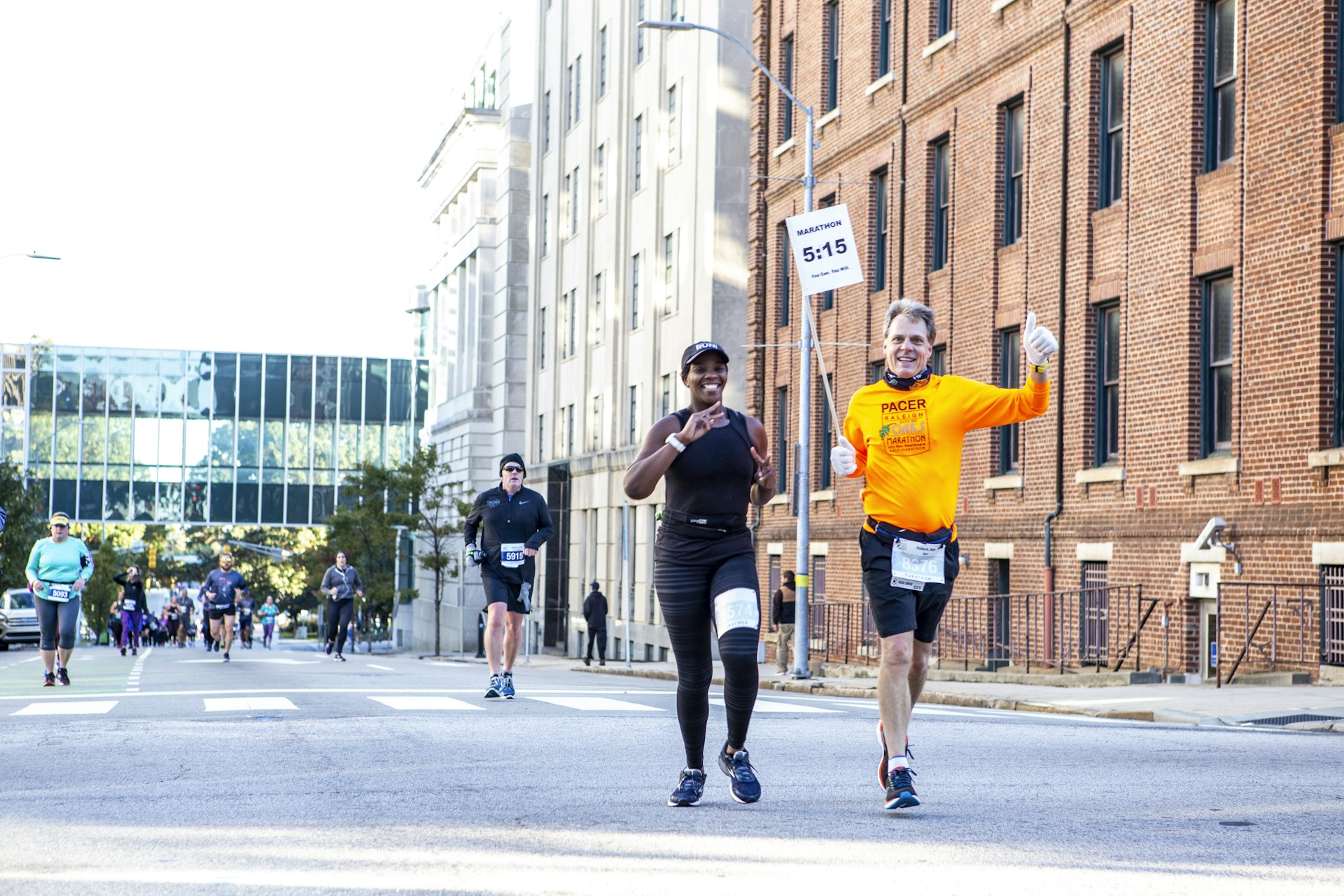
Boston Marathon week is here. With the 130th running of the world’s most storied marathon set for Monday, April 20, 2026, thousands of runners from across the globe are now in their final taper — equal parts excited and anxious. Whether this is your first trip to Hopkinton or your tenth, race week can make or break the months of training you’ve put in. Here’s everything you need to know to arrive at the start line ready to run your best Boston.
Respect the Taper — Don’t Fight It
The hardest part of race week for many runners is doing less. After months of high mileage, the instinct to squeeze in one more long run or add extra miles “just to stay sharp” is overwhelming. Resist it.
Your goal this week is simple: preserve what you’ve built and arrive fresh. Keep your runs short and easy — 20–30 minutes at conversational pace is plenty on Tuesday and Thursday. By Saturday, you should be running no more than 15–20 minutes as a light shakeout. Every extra mile you log now comes out of your legs on Monday.
The taper blues are real — many runners feel sluggish, heavy-legged, and anxious during this period. These feelings are completely normal and don’t reflect your fitness. Your muscles are storing glycogen and your body is repairing micro-damage from months of training. Trust the process.
Carb Loading Done Right
Carbohydrate loading in the 48–72 hours before the race tops off your glycogen stores and gives your muscles the fuel they’ll need for 26.2 miles. The goal isn’t to eat as much as possible — it’s to shift the composition of your meals toward easily digestible carbohydrates while keeping fat, fiber, and protein moderate.
Good pre-race carb sources include pasta, white rice, bread, bagels, and potatoes. Avoid high-fiber vegetables, heavy sauces, and unfamiliar foods. Stick to what you know works in your gut. Saturday dinner is your most important meal — a modest portion of pasta or rice with light protein and a roll is a classic for good reason. Don’t overeat; a stuffed stomach won’t digest properly overnight.
On race morning, aim for a carbohydrate-rich breakfast 2–3 hours before your wave start. A bagel with peanut butter, oatmeal with banana, or toast with honey are all reliable options. Avoid anything high in fat or fiber that could cause GI distress on the course.
Gear Check: Don’t Try Anything New
Race week is not the time to break in new shoes, try a new sports bra, or experiment with an unfamiliar gel flavor. Everything you wear and consume on April 20 should be tested and proven in training. Lay out your complete race kit the night before: singlet, shorts, socks, shoes, bib, safety pins, watch, and any fuel you’re carrying.
Boston in April can be cold at the start in Hopkinton — many runners wear throwaway clothes at the start line that they shed once the race gets going. Check the forecast on Sunday night and dress for the first five miles, not the finish line. This year’s race also features six start waves (up from four in previous years), so verify your assigned wave and corral when you pick up your bib at the Expo.
Know the Course: Respect the Newton Hills
The Boston course is famously deceptive. The early miles from Hopkinton to Wellesley trend net downhill, which tempts runners into going out too fast. Resist the early euphoria — runners who bank time in the first half almost always pay for it in the second.
The Newton Hills begin around mile 16 and include four significant climbs, culminating in the infamous Heartbreak Hill at mile 20.5. At roughly 600 feet in length and a 3.3% grade, Heartbreak Hill isn’t technically brutal — but arriving there after 20 miles of accumulated fatigue is a different story entirely. The key is reaching Newton with legs still left to climb. Run miles 1–15 conservatively, and the hills become manageable. Go out too hot, and they become a sufferfest.
The race isn’t over at the top of Heartbreak. Miles 21–26 descend back toward Boston, and the quad-hammering downhills after the fatigue of the climbs can be surprisingly brutal. Focus on form, shorten your stride on the descents, and keep moving forward.
Hydration and Electrolyte Strategy
Boston has well-stocked aid stations every mile, but having a plan before you reach them is essential. On a warm April day, you can lose significant fluid and electrolytes, and cramping is one of the most common late-race problems runners encounter, especially in the Newton Hills and beyond.
Drink to thirst throughout the race rather than forcing fluids at every station. For electrolyte replenishment, many experienced runners carry pickle juice as a proven cramp-stopper — a small shot of Fast Pickle around miles 18–20 can halt cramps before they derail your race, letting you hold your pace through the hills and into the home stretch. It’s become an increasingly popular tool in long-distance runners’ kits for exactly these high-stakes moments.
Race Morning: The Logistics
The Boston Marathon start in Hopkinton is unlike any other race. You’ll board buses from Boston Common starting around 6:30 a.m. for most waves. The Athletes’ Village in Hopkinton keeps you warm and fed while you wait — bring your gear check bag, an old sweatshirt, and something to sit on. Wave 1 starts at 9:37 a.m., with subsequent waves departing every 25 minutes. Arrive at Athletes’ Village at least 90 minutes before your wave, and use the portable toilets early.
The Mental Game
Boston is as much a mental marathon as a physical one. The crowds are extraordinary — Wellesley College’s legendary “Scream Tunnel” near mile 13 and the thunderous roar of the crowd on Boylston Street approaching the finish are experiences unlike anything else in running. Let the energy carry you.
When it gets hard — and it will — break the race into segments. Make it to the top of Heartbreak. Make it to mile 23. Make it to the right turn onto Boylston. Each landmark is its own small victory, and the finish line on Boylston Street is one of the most iconic in all of sports.
You’ve put in the work. The taper is almost done. Now trust your training, run your race, and enjoy every mile of one of the most storied 26.2s in the world.
Good luck to all 30,000 runners toeing the line on Patriots’ Day. Boston, here we come.
Leave a Reply