
The right pair of running shoes can transform your running experience. With hundreds of options flooding the market, choosing the best shoe for your foot type, running style, and goals can feel overwhelming. We’ve tested dozens of the top models to bring you our definitive guide for 2026.
Understanding Shoe Categories
Running shoes generally fall into three categories: neutral, stability, and motion control. Neutral shoes work for runners with normal arches and efficient biomechanics. Stability shoes add medial post support for mild to moderate overpronators. Motion control shoes offer maximum support for severe overpronators or heavier runners. Getting a gait analysis at a specialty running store can help determine which category suits you best.
Best for Daily Training: The Workhorse Shoes
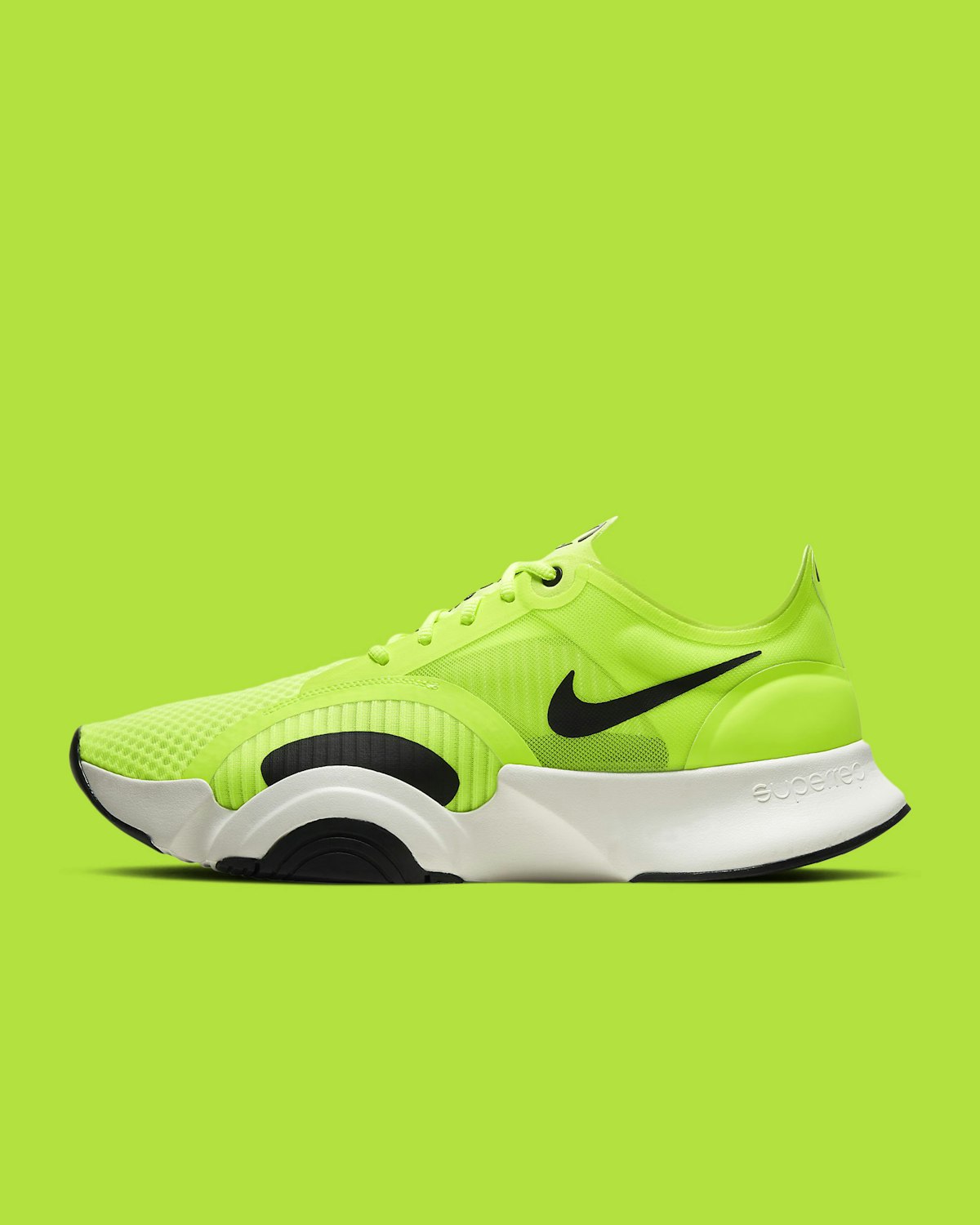
Your daily trainer absorbs the most miles, so durability and comfort are paramount. Look for shoes with responsive yet cushioned midsoles, breathable uppers, and outsoles that can handle 400-500 miles. The best daily trainers feel invisible on your feet — supportive enough for long runs but light enough for tempo days. Popular foam technologies like nitrogen-infused and PEBA-based midsoles have pushed the comfort ceiling even higher this year.
Best for Speed: Racing Flats and Super Shoes
Carbon-plated super shoes have revolutionized racing since their introduction. These shoes feature a curved carbon fiber plate sandwiched between layers of lightweight foam, creating a propulsive sensation that can improve running economy by 2-4%. While not cheap, they can shave meaningful time off your PRs. Reserve them for races and key workouts to maximize their lifespan, which typically tops out around 150-200 miles.
Best for Trail Running
Trail shoes need aggressive outsole lugs for grip, a rock plate for protection, and durable uppers that resist debris. The amount of cushioning depends on terrain — technical rocky trails benefit from lower stack heights and better ground feel, while long ultra-distance trails call for maximum cushioning. Look for shoes with reinforced toe bumpers and drainage ports if you’ll be crossing streams.
How to Know When to Replace Your Shoes
Most running shoes last 300-500 miles depending on your weight, running surface, and the shoe’s construction. Signs it’s time to replace include visible midsole compression, worn outsole treads, new aches or pains that weren’t there before, and a general loss of bounce. Rotating between two pairs extends the life of both and gives the foam time to recover between runs.
Leave a Reply