

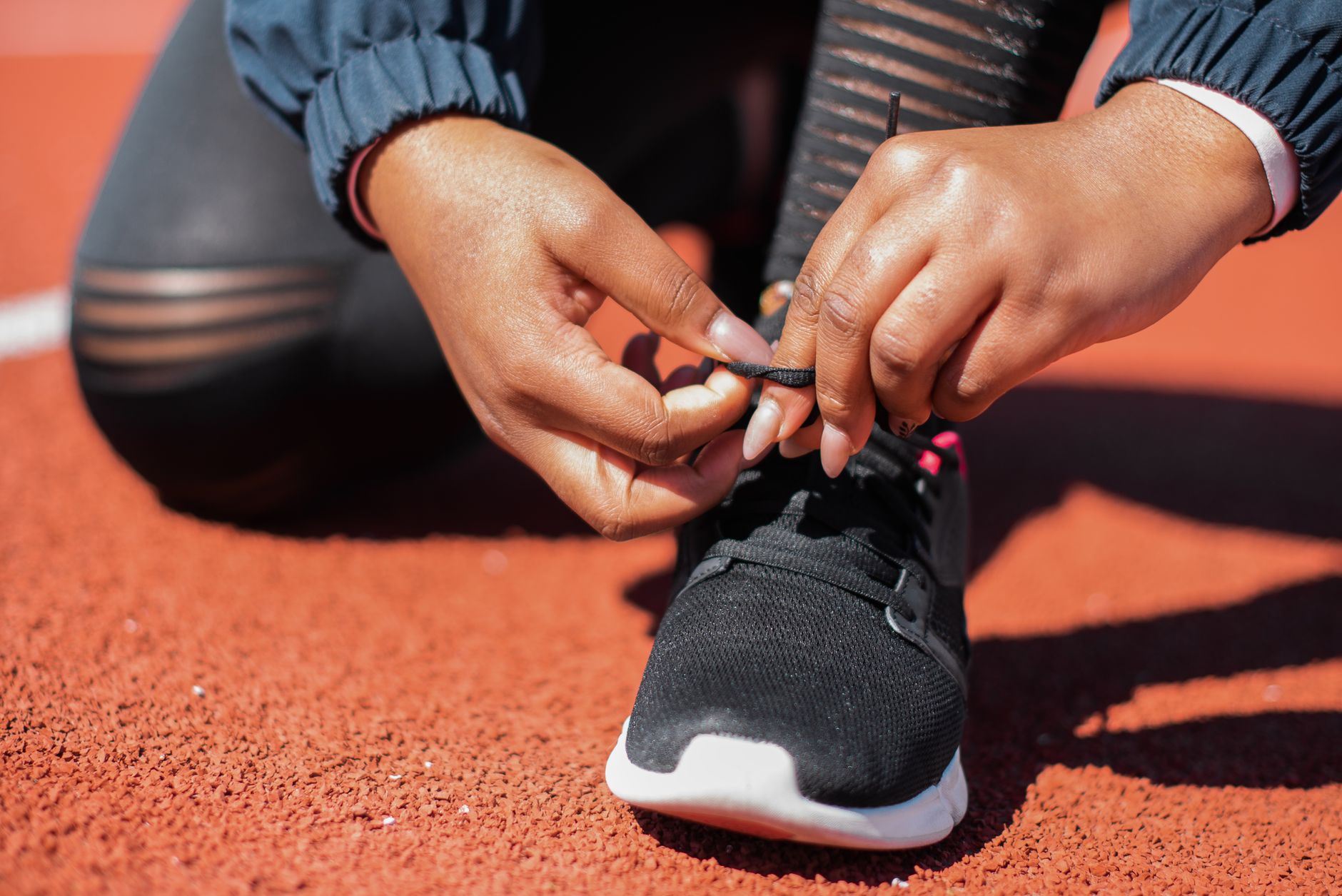
Running and walking impose fundamentally different mechanical demands on your body, and footwear engineers design shoes accordingly. Running generates peak impact forces of 2.5–3× body weight with each stride and requires explosive toe-off propulsion, while walking produces only 1.2× body weight impacts through a continuous heel-to-toe roll with no airborne phase. Running shoes deliver responsive midsole cushioning, pronounced toe spring, and forefoot flex grooves to handle these higher loads and faster turnover rates; walking shoes prioritize midfoot flexibility, denser comfort foams, and stability for the gentler, longer-contact gait of walking.
What are the biomechanical differences between running and walking?
The gait cycle for both activities follows a heel strike → midstance → toe-off sequence, but running introduces a flight phase where both feet leave the ground simultaneously—walkers maintain constant contact with at least one foot. Running strides generate 2.5–3× body weight in peak vertical impact force, compared to just 1.2× body weight during walking. Ground contact time shrinks from approximately 0.6 seconds per step when walking to 0.2 seconds or less when running, demanding rapid eccentric loading and concentric propulsion from the leg musculature.
Cadence and stride length diverge sharply: recreational runners typically turn over at 160–180 steps per minute with stride lengths of 1.2–1.5 meters, while walkers clock 100–120 steps per minute at 0.7–0.9 meters per stride. The explosive push-off required to achieve flight phase recruits the gastrocnemius, soleus, and hip extensors far more aggressively than the rolling transition of walking. Research on lower-limb kinematics shows runners experience greater ankle plantarflexion velocity and higher knee flexion angles at toe-off, both of which place unique stress on the Achilles tendon and patellar mechanism. These biomechanical realities—higher forces, shorter contact windows, and ballistic propulsion—drive every design choice separating running shoes from walking shoes.
How does midsole cushioning differ between running and walking shoes?
Running shoes deploy high-rebound foams engineered to attenuate 2.5–3× body weight impacts while returning stored energy for the next stride. Modern running midsoles use EVA blends, thermoplastic polyurethane (TPU), nitrogen-infused foams, or PEBA-based compounds (brands like Nike ZoomX, adidas Lightstrike Pro, and Saucony PWRRUN PB exemplify this category) that compress under load yet spring back rapidly to aid turnover. Stack heights typically range from 25 mm to 40 mm, with heel-to-toe drops between 4 mm and 12 mm to accommodate varied strike patterns and Achilles flexibility.
Walking shoes, by contrast, favor softer, denser EVA or memory-foam constructions that prioritize all-day comfort over propulsion. Their midsoles absorb the lower 1.2× body weight forces without the need for energy return, often resulting in stack heights of 15–25 mm and flatter drop profiles. Over-cushioned walking shoes can feel sluggish and unstable during running because the foam lacks the responsiveness to handle rapid compression-rebound cycles—runners experience a “dead” sensation underfoot and lose efficient toe-off snap. Conversely, walkers wearing running shoes may find the firmer, bouncier ride unnecessarily aggressive for their lower-impact gait, though this mismatch rarely causes injury.
Durability also diverges: running midsoles compress and lose rebound after 300–500 miles due to repeated high-force landings, while walking shoe foams degrade more slowly, often lasting 500–800 miles. When choosing footwear, match the midsole technology to your peak impact loads—if you’re generating flight phase forces, you need running-specific cushioning architecture.
Why does outsole geometry matter for running versus walking?
Outsole flex grooves and rubber placement reflect each activity’s distinct roll pattern. Running shoes feature forefoot flex grooves aligned with the metatarsal heads (the ball of the foot) to facilitate quick, explosive toe-off during the propulsion phase. A pronounced toe spring—the upward curve at the front of the shoe—reduces the work required to lever off the ground, helping runners maintain cadence. The forward-rolling geometry mimics the natural motion of a runner’s foot transitioning rapidly from midstance to airborne.
Walking shoes incorporate deeper, transverse flex grooves that span the midfoot, supporting the gradual heel-to-toe roll without a flight phase. Because walkers spend more time in midstance and shift weight smoothly rather than explosively, the outsole must flex uniformly across a broader zone. Rubber durability zones also differ: runners erode the lateral heel (initial strike zone) and forefoot (push-off zone), while walkers wear down the heel center and medial forefoot due to their straighter, more centered stride path.
Trail runners introduce additional variables—aggressive lugs for traction on dirt, mud, and scree; rock plates to protect against sharp stones; and reinforced toe caps for root and rock encounters. These features are largely absent or muted in road running and walking shoes, which prioritize smooth, paved-surface efficiency. The geometry mismatch matters: running in a walking shoe’s flexible midfoot can collapse arch support under high loads, increasing plantar fascia strain, while walking in a stiff racing flat may feel awkward but poses minimal injury risk.
Can you safely run in walking shoes—or walk in running shoes?
The safety equation is asymmetric. Walking in running shoes is generally safe, though some walkers report feeling over-cushioned, slightly unstable on uneven ground, or bothered by the firmer midsole rebound. The higher stack height and pronounced rocker geometry can take a few outings to adapt to, but pose no meaningful injury risk for walkers logging steady, low-impact miles.
Running in walking shoes, however, significantly elevates overuse injury risk. Walking shoe midsoles cannot adequately absorb or dissipate the 2.5–3× body weight forces generated with each running stride. The softer, less responsive foam compresses too deeply, forcing the foot and lower leg to work harder to stabilize and propel forward. Insufficient midfoot rigidity allows excessive arch collapse, stressing the plantar fascia; lack of forefoot propulsion support overloads the Achilles tendon and calf complex. Runners who log miles in walking shoes commonly develop shin splints, plantar fasciitis, Achilles tendinopathy, and knee pain as compensatory mechanics accumulate.
A practical rule of thumb: occasional short jogs under one mile at low intensity may be tolerable in walking shoes if you’re caught without alternatives, but any structured running—intervals, tempo runs, long runs, or regular mileage—demands running-specific footwear. Even beginners embarking on couch-to-5K programs should invest in entry-level running shoes rather than repurposing walking models. The biomechanical demands are simply too divergent to compromise on impact protection and propulsion mechanics.
What should recreational runners prioritize when choosing shoes?
Use this six-point framework to match footwear to your actual activity profile and biomechanics:
- Match shoe category to activity volume and intensity. If you’re moving at less than 3 mph for fewer than 30 continuous minutes without any running intervals, walking shoes suffice. Any structured running—even short run-walk segments—requires running shoes.
- Consider weekly mileage. Logging more than 10 miles per week justifies investing in quality running-specific models. Higher mileage amplifies the cumulative impact load, making proper cushioning and energy return non-negotiable for injury prevention.
- Factor in surface and terrain. Trail runners need aggressive rubber lugs, rock plates, and reinforced uppers to handle roots, rocks, and mud. Road runners prioritize lightweight construction, durable outsole rubber in high-wear zones, and responsive midsole foams for efficiency on asphalt and concrete. For guidance on selecting road versus trail footwear, explore our expert running guides.
- Assess your personal biomechanics. Overpronators—runners whose arches collapse excessively inward—benefit from medial posts or guide rails rarely found in walking shoes. Neutral runners can choose from a wider range, while supinators may need extra lateral cushioning. Gait analysis at a specialty running store can clarify your needs.
- Rotate multiple pairs to extend lifespan. Alternating between two or three pairs allows midsole foams to fully decompress between runs, slowing degradation. Running shoes typically last 300–500 miles; walking shoes endure 500–800 miles. Track mileage with apps or log entries to anticipate replacement windows.
- Replace based on compression and wear, not just time. Squeeze the midsole—if it no longer rebounds quickly or feels noticeably softer than when new, retire the pair. Check outsole tread for smooth, worn-down rubber. New aches, pains, or fatigue during familiar routes signal diminished shoe support. For more on optimizing your gear rotation and training cycles, visit our training tips for everyday runners.
Frequently Asked Questions
Can I use the same shoes for running and walking?
Running shoes work well for walking, though they may feel over-cushioned. However, walking shoes lack the impact protection, energy return, and forefoot rigidity required for safe running. If you run regularly—even just a few miles per week—invest in running-specific shoes to prevent overuse injuries like shin splints and plantar fasciitis.
What happens if I run in walking shoes?
Walking shoes cannot adequately absorb the 2.5–3× body weight impact forces generated during running. Their softer, less responsive midsoles and flexible midfoot construction increase stress on the Achilles, plantar fascia, and shins. Occasional short jogs under one mile may be tolerable, but structured training in walking shoes significantly raises injury risk.
How do I know if my shoes are for running or walking?
Running shoes feature higher stack heights (25–40 mm), pronounced toe spring, responsive midsole foams, and forefoot flex grooves. Walking shoes have flatter profiles, deeper transverse flex grooves across the midfoot, and denser, softer cushioning. Check the product label or manufacturer specs—most brands clearly designate models by activity.
Do walking shoes last longer than running shoes?
Yes, because walking generates lower impact forces. Walking shoes typically last 500–800 miles, while running shoes degrade after 300–500 miles due to midsole compression from repeated high-force landings. Monitor both for visible outsole wear, loss of cushioning responsiveness, and any new aches during activity as replacement signals.
Are trail running shoes different from road running and walking shoes?
Trail running shoes add aggressive rubber lugs for traction, rock plates for underfoot protection, and reinforced uppers for durability on uneven terrain. Road running shoes prioritize lightweight energy return and smooth transitions. Walking shoes, even trail variants, lack the propulsion support and impact absorption trail runners need on technical descents and climbs.
Should beginners start with running shoes or walking shoes?
If your goal includes any running—even run-walk intervals—start with running shoes. They provide the necessary impact protection and biomechanical support as your gait adapts. Walk-only beginners can use walking shoes, but many find the versatility of running shoes valuable as fitness improves and activity intensity naturally increases over time.
Leave a Reply