

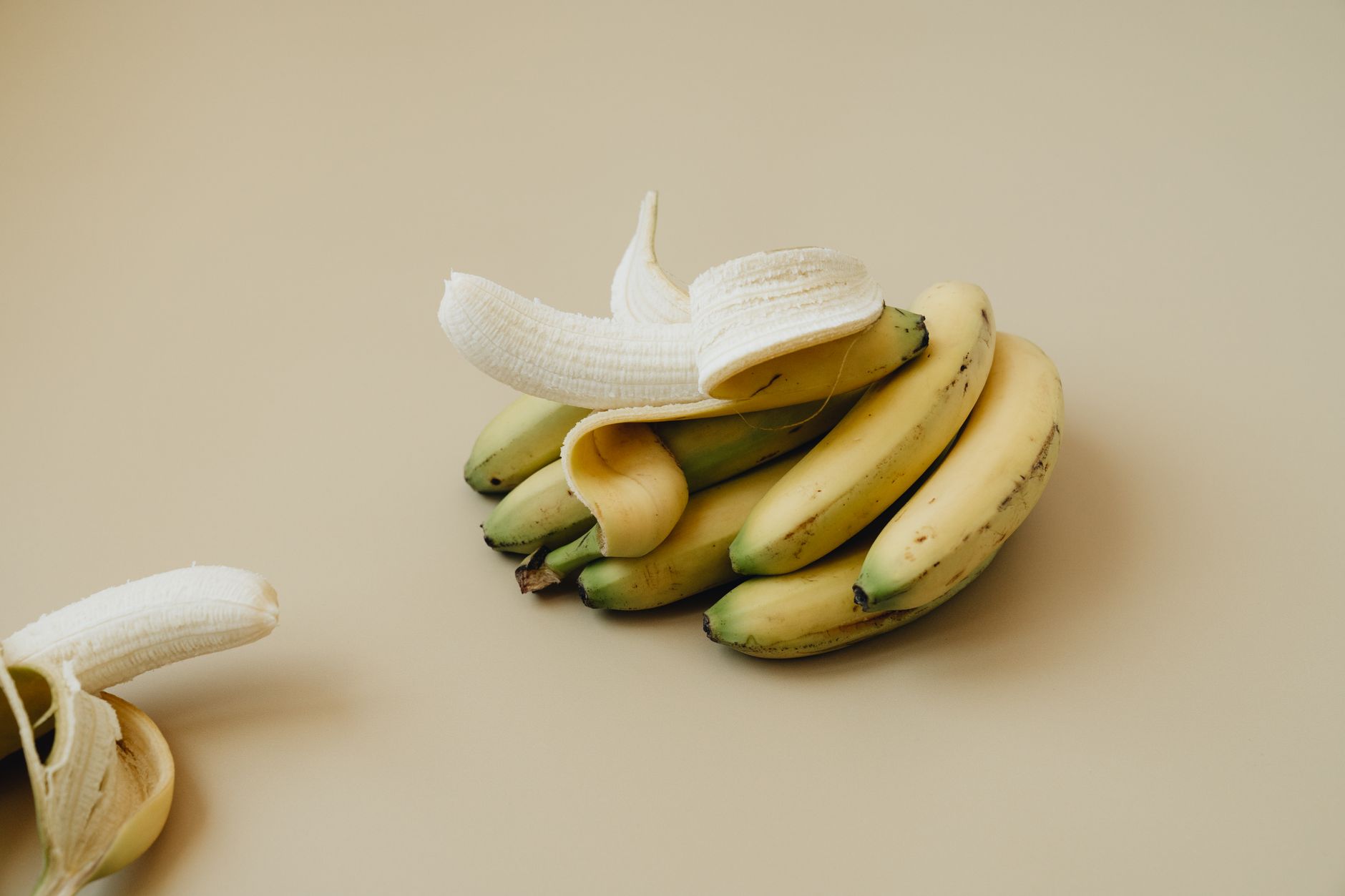
Eat 2–4 hours before your long run, targeting 1–4 grams of carbohydrate per kilogram of body weight—the exact amount depends on how much time you have. A 70 kg runner eating 3 hours out should aim for roughly 105–140 g of carbs from low-fiber sources like toast with honey, oatmeal with banana, or a bagel with a thin spread of peanut butter. This window allows your body to digest the meal, top off muscle and liver glycogen stores, and minimize the risk of GI distress once you’re 8 or 12 miles into your effort.
Why pre-run nutrition matters more as distance climbs past 90 minutes
Your body stores approximately 400–500 grams of glycogen in skeletal muscle and another 100 grams in the liver. During steady aerobic running, you oxidize carbohydrate at roughly 1.0–1.1 grams per minute when relying on a single carbohydrate source. That means a 90-minute run can burn through 90–100 grams of stored glycogen, and runs approaching two hours begin to drain muscle glycogen below 50 percent of capacity—the threshold where fatigue accelerates and pace drops noticeably.
Runs shorter than 60 minutes typically draw enough energy from overnight glycogen stores, especially if you ate a carbohydrate-rich dinner. Once you cross the 90-minute mark, however, intentional pre-run fueling becomes the difference between finishing strong and bonking at mile 14. Research shows that starting a long effort with topped-off glycogen delays the point at which your muscles must rely heavily on fat oxidation, preserving your ability to maintain goal pace through the final miles.
The practical takeaway: if your training plan includes runs of 90 minutes or longer, treat your pre-run meal as part of the workout itself. What you eat—and when—directly influences how your legs feel in the second half.
How much carbohydrate should you eat, and when?
The sports nutrition framework for pre-exercise carbohydrate intake is 1–4 grams per kilogram of body weight, scaled by the time available before you start running. If you’re eating a full breakfast 4 hours before your run, aim for the upper end—around 3–4 g/kg. If you have only 60 minutes, drop to 1 g/kg to allow faster gastric emptying.
For a 70 kg runner, that translates to:
- 4 hours out: 210–280 g of carbohydrate
- 3 hours out: 140–210 g
- 2 hours out: 105–140 g
- 1 hour out: 70 g
To put those numbers in context, here’s the carbohydrate content of common pre-run foods:
| Food | Portion | Carbohydrate (g) | |——|———|——————| | Plain bagel | 1 medium | ~50 | | Banana | 1 medium | ~27 | | Oatmeal (cooked) | 1 cup | ~27 | | White toast | 2 slices | ~30 | | Honey | 1 tablespoon | ~17 | | White rice (cooked) | 1 cup | ~45 | | Sports drink | 500 mL | ~30 |
Moderate-to-high glycemic index carbohydrates—white bread, white rice, bananas, honey—digest more quickly than low-GI sources like steel-cut oats or whole-grain bread, making them ideal when you have less than 3 hours. The faster a carbohydrate raises blood glucose, the more rapidly it replenishes liver glycogen and becomes available as fuel.
The 2-hour window: balancing digestion and glycogen replenishment
For most runners, eating 2–3 hours before a long run offers the best balance between complete digestion and maximal glycogen storage. At this interval, you can consume a mixed meal—carbohydrate-rich but with small amounts of protein or fat for satiety—without the cramping or nausea that comes from running on a full stomach.
Target roughly 1.5–2 grams of carbohydrate per kilogram of body weight. Sample meals include:
- Bowl of oatmeal (1 cup cooked) with sliced banana and 1 tablespoon honey
- Two slices of white toast with 1 tablespoon peanut butter and jam
- Two rice cakes with almond butter and a drizzle of maple syrup, plus a banana
Gastric emptying time for a mixed meal—one that includes protein and a small amount of fat—is roughly 2–3 hours. Carbohydrate-only meals empty slightly faster, but the addition of 5–10 grams of protein or fat can improve satiety and prevent mid-run hunger without significantly slowing digestion, provided you allow enough lead time.
What if you run early and can’t eat 2 hours ahead?
If you start your long run at 6:00 a.m. and waking at 3:30 a.m. to eat breakfast isn’t realistic, shift to easily digestible options you can consume 30–60 minutes before you head out. At this timing, prioritize speed of digestion over total carbohydrate volume.
Good choices include:
- One or two slices of white bread toast with honey
- A ripe banana
- A pouch of applesauce
- A sports drink (500 mL provides ~30 g carbs)
- A handful of pretzels
Keep fiber under 2 grams and fat under 2 grams to minimize gut transit time. Individual tolerance varies widely—some runners handle a small bowl of oatmeal 60 minutes out, while others need liquid-only fuel to avoid cramping. The only way to know your threshold is to test different foods and timing windows during training runs, not on race morning.
Which foods cause the fewest GI problems during long runs?
Low-fiber, low-fat, low-protein carbohydrate sources consistently produce the fewest GI complaints. White rice, white bread, plain bagels, bananas, honey, maple syrup, and sports drinks digest quickly and exit the stomach before mechanical jostling from running triggers nausea or cramping.
High-fiber foods—anything with more than 5 grams of fiber per serving—increase gut transit time and can cause bloating or urgent bathroom stops. Whole-grain bread, bran cereals, apples with skin, and beans fall into this category. Similarly, high-fat meals (more than 10 grams of fat) slow gastric emptying, leaving you feeling heavy and sluggish once you start running.
Research on endurance athletes shows that high-FODMAP foods—fermentable carbohydrates found in certain fruits (apples, pears), dairy (milk, yogurt), and legumes (chickpeas, lentils)—trigger GI distress in roughly 30 percent of runners. If you’ve experienced unexplained cramping or bloating on long runs despite eating “clean,” consider swapping out potential FODMAP triggers for low-FODMAP alternatives like bananas, rice, and lactose-free options.
A safe-bet meal matrix looks like this:
- Carbohydrate base: white toast, bagel, white rice, oatmeal (refined), banana
- Optional small protein/fat (2+ hours out): 1 tablespoon peanut butter, 1 scrambled egg, small serving Greek yogurt (if tolerated)
- Hydration: 400–600 mL water, or electrolyte drink if it’s warm
Start with these foods during training, then expand cautiously based on your individual tolerance.
Should you include protein or fat in your pre-run meal?
Small amounts of protein (5–10 grams) and fat (under 5 grams) are fine if you’re eating 2 or more hours before your run. They improve satiety without meaningfully slowing digestion, which can be useful if you’re prone to mid-run hunger or if your long run extends past 2 hours and you want a steadier release of energy.
Examples of modest protein or fat additions:
- One tablespoon of peanut butter or almond butter on toast
- A small serving (80–100 g) of Greek yogurt mixed into oatmeal
- One scrambled egg alongside white toast
- A thin slice of turkey on a bagel
Emphasize that carbohydrates remain the priority. Protein and fat are optional add-ons for hunger control, not performance drivers. If you’re eating within 60 minutes of running, skip the protein and fat entirely—stick to pure carbohydrate sources to maximize gastric emptying speed and minimize the risk of cramping.
How hydration timing interacts with your pre-run meal
Drink 400–600 milliliters of water 2–3 hours before your long run, then follow with another 200–300 mL in the 15–30 minutes before you start. This timing allows your kidneys to process excess fluid while ensuring you begin the run adequately hydrated. A simple urine color check—pale yellow is ideal—confirms hydration status more reliably than thirst alone.
Co-ingesting a small amount of sodium (a pinch of table salt or an electrolyte drink) with your pre-run water aids fluid retention, reducing the likelihood that you’ll lose most of your intake to bathroom stops before mile 3. If you’re running in warm conditions or you’re a heavy sweater, prioritize sodium-enhanced hydration.
Avoid chugging more than 500 mL in the final 30 minutes before running. Large volumes of fluid in the stomach create sloshing, increase the urge to stop mid-run for a bathroom break, and can trigger nausea once your core temperature rises. Sip steadily in the 2–3 hour window, then take smaller top-offs closer to start time.
Sample pre-long-run meals by timing and body weight
Below are example menus for a 60 kg and 75 kg runner at three common timing windows. Adjust portion sizes based on your body weight and personal tolerance.
3 hours before (target: ~2 g/kg carbs)
- 60 kg runner (120 g carbs): 1 bagel (50 g) + 1 banana (27 g) + 2 tablespoons honey (34 g) + 500 mL water
- 75 kg runner (150 g carbs): 2 slices white toast (30 g) + 1 cup oatmeal (27 g) + 1 banana (27 g) + 2 tablespoons maple syrup (26 g) + 1 tablespoon peanut butter (4 g carbs) + 500 mL water
2 hours before (target: ~1.5 g/kg carbs)
- 60 kg runner (90 g carbs): 1 cup cooked white rice (45 g) + 1 banana (27 g) + 1 tablespoon honey (17 g) + 400 mL water
- 75 kg runner (112 g carbs): 1 bagel (50 g) + 2 tablespoons jam (26 g) + 1 banana (27 g) + 300 mL sports drink (18 g)
1 hour before (target: ~1 g/kg carbs)
- 60 kg runner (60 g carbs): 2 slices white toast (30 g) + 2 tablespoons honey (34 g) + 200 mL water
- 75 kg runner (75 g carbs): 1 bagel (50 g) + 1 tablespoon jam (13 g) + 1 ripe banana (27 g) – eat slowly over 20 minutes
Track fiber and fat content: aim to keep fiber under 3–5 grams and fat under 5 grams for the 1-hour meal, with slightly more flexibility at the 3-hour mark.
What about coffee or caffeine before a long run?
Research consistently shows that 3–6 milligrams of caffeine per kilogram of body weight—roughly 200–400 mg for most runners—improves endurance performance by 2–4 percent when consumed 45–60 minutes before exercise. For a 70 kg runner, that’s about one large cup (350 mL) of brewed coffee or two espresso shots.
Caffeine works by blocking adenosine receptors in the brain, reducing the perception of effort and allowing you to sustain a harder pace for longer. It also promotes fat oxidation, sparing glycogen stores during the early miles of a long run.
GI tolerance is the main consideration. Coffee stimulates bowel motility, which many runners appreciate as a pre-run routine but others find disruptive once they’re miles from a bathroom. If coffee causes cramping or urgent bathroom stops, switch to caffeine gum, a caffeinated energy gel, or a caffeine tablet with water. These deliver the performance benefit without the gastrointestinal stimulation of coffee.
Habituation matters: if you drink coffee daily, you’ll experience fewer jitters and less of a diuretic effect than someone who uses caffeine sporadically. For race day, stick with the caffeine timing and dose you’ve tested during long training runs.
How to test your pre-run fueling strategy without race-day surprises
Rehearse your exact pre-run meal and timing during at least two to three long training runs before race day. Treat these sessions as dress rehearsals: eat the same foods, at the same interval before you start, and track how you feel at miles 8, 12, and 16. Note any GI symptoms—cramping, nausea, bloating, urgent bathroom stops—along with your energy level and perceived exertion in the final third of the run.
If you bonk or feel sluggish after mile 10, increase your carbohydrate intake by 20–30 grams at the next trial. If you experience cramping or nausea, reduce fiber and fat, or push your meal window back by 30 minutes. Small adjustments—swapping oatmeal for white toast, moving breakfast from 90 minutes to 2 hours before—can make a meaningful difference in how your stomach and legs respond.
The “nothing new on race day” rule extends to breakfast. Once you’ve dialed in a fueling plan that works, lock it in. Write down portion sizes, timing, and hydration volume so you can replicate the routine exactly, even when race-morning nerves tempt you to experiment. Consistency in training builds confidence, and confidence on race morning translates to better performance when it counts.
Frequently Asked Questions
How many hours before a long run should I eat?
Most runners perform best eating 2–3 hours before a long run, allowing time to digest a carbohydrate-rich meal (1.5–2 g per kg of body weight) without GI distress. If you run early and can’t wait that long, eat a smaller, easily digestible snack—like a banana or toast with honey—30–60 minutes before. Experiment during training runs to find your personal sweet spot.
What are the best carbs to eat before a long run?
Choose low-fiber, moderate-to-high glycemic index carbs that digest quickly: white bread, bagels, white rice, bananas, oatmeal (refined), honey, and maple syrup. These replenish muscle and liver glycogen without triggering stomach cramps. Avoid whole grains, high-fiber fruits, and legumes within 2 hours of running, as they slow gastric emptying and increase cramping risk.
Can I eat protein or fat before a long run?
Small amounts of protein (5–10 g) and fat (<5 g) are fine if eaten 2+ hours before your run—for example, a tablespoon of peanut butter on toast or a small serving of Greek yogurt. They help with satiety but shouldn't replace carbohydrates, which remain the priority for glycogen stores. Keep fat and protein minimal within 60 minutes of running to avoid slowing digestion.
How much should I drink before a long run?
Drink 400–600 mL of water 2–3 hours before your run, then another 200–300 mL about 15–30 minutes before you start. Check that your urine is pale yellow. Adding a pinch of salt or an electrolyte drink helps your body retain fluid. Avoid chugging large volumes in the final 30 minutes to prevent sloshing and mid-run bathroom stops.
What should I eat 30 minutes before a long run?
If you’re eating only 30 minutes out, choose easily digestible, low-fiber carbs: a ripe banana, a slice of white toast with honey, a few rice cakes with jam, or a sports drink. Aim for around 0.5–1 g of carbohydrate per kg of body weight. Keep fiber and fat under 2 g each to minimize GI upset during your run.
Should I drink coffee before a long run?
Yes, if you tolerate it well. Research shows 3–6 mg of caffeine per kg of body weight—roughly one strong cup of coffee 45–60 minutes before running—can improve endurance performance by 2–4%. Coffee also stimulates bowel movements, which some runners appreciate and others find disruptive. Test it during training runs, and consider caffeine gum or gels if coffee upsets your stomach.
How do I avoid stomach issues during a long run?
Eat your pre-run meal 2–3 hours beforehand, focusing on low-fiber, low-fat carbohydrates like white bread, bananas, and oatmeal. Avoid high-FODMAP foods (apples, dairy, beans) and anything with more than 5 g of fiber or 10 g of fat. Stay hydrated but don’t overdrink in the final 30 minutes. Most importantly, rehearse your exact fueling plan during training runs—never try a new breakfast on race day.
Leave a Reply