

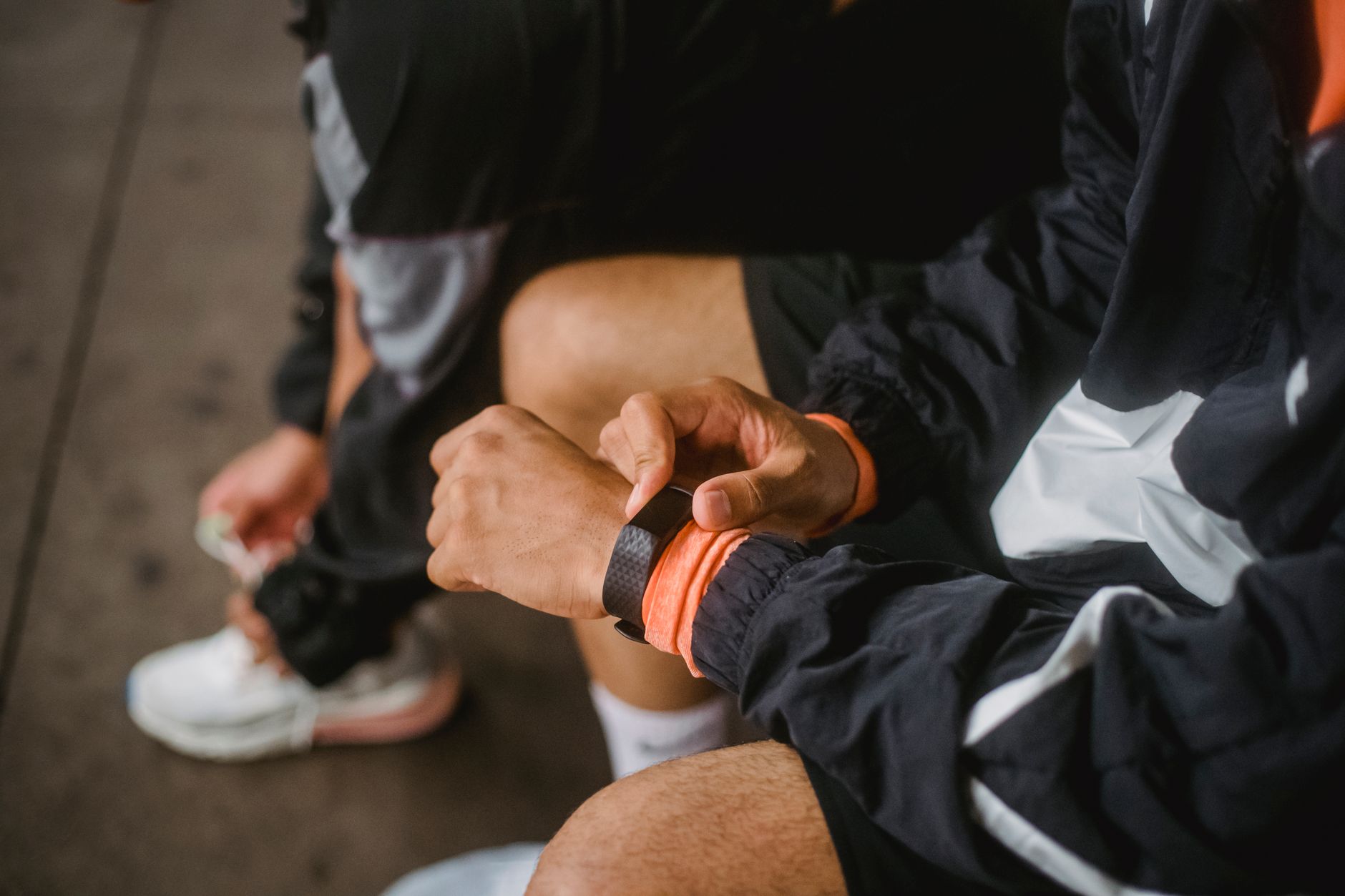
The best GPS watch for marathon training in 2026 balances two non-negotiables: accurate pace and heart-rate data for daily workouts, and training-load metrics that flag when you’re pushing too hard. Top picks include the Garmin Forerunner 265 for runners following structured plans, the Coros Pace 3 for multi-day battery life and ultralight weight, and the Polar Pacer Pro for athletes prioritizing recovery insights through HRV and sleep tracking. The right choice depends on whether you value race-day navigation, music storage, or simply reliable numbers that keep you healthy through peak week.
Why do marathon runners need different features than casual joggers?
Marathon training spans 12 to 20 weeks of cumulative fatigue, long runs that push 20+ miles, and carefully programmed pace variability across easy runs, tempo efforts, and interval sessions. Unlike casual joggers tracking daily steps, marathoners need watches that monitor acute-to-chronic workload ratios, detect overtraining through heart-rate variability trends, and survive 3-hour Sunday long runs without dying mid-route. Research on training monotony published in the British Journal of Sports Medicine (2023) found that runners who spiked weekly mileage by more than 10% without compensatory recovery days faced a 2.2× higher injury risk—a pattern visible only through continuous load tracking, not basic step counts.
A marathon watch must also handle structured workout execution: uploading interval sessions from training plans, delivering on-screen prompts for each repeat, and storing months of historical data to inform taper decisions. Basic fitness trackers lack the GPS battery endurance (6+ hours), pace-alert granularity (sub-10-second refreshes), and physiological sensors (optical HR, some with running power) that turn raw miles into actionable training intelligence.
Training load and recovery metrics that prevent overtraining
Acute:chronic workload ratio compares your current week’s training stress to a rolling four-week average; staying between 0.8 and 1.3 is the safe zone. Garmin calls this Training Readiness (a 1–100 score blending HRV, sleep quality, and recent load), Coros uses Training Load with a recovery-time countdown, and Polar offers the Running Index (an efficiency score derived from HR and pace). The 2023 BJSM study on load management showed HRV-guided training reduced soft-tissue injuries by 18% compared to fixed-plan adherence, because the watch could veto a hard workout when autonomic nervous system recovery lagged.
These metrics guide taper strategy: in the final two weeks before race day, you want Training Readiness climbing back above 80 (Garmin) or Recovery Time dropping to zero (Coros), signaling supercompensation. Watches that lack this feedback leave you guessing whether last week’s 20-miler left residual fatigue or if you’re truly rested.
Battery life thresholds for long runs and race day
You need a minimum of 6 hours of GPS battery to cover a 20-mile training run at 10-minute pace (3:20 runtime) plus warm-up and cool-down, with margin for a slower day. For race day itself, budget 8+ hours to accommodate a 4:30 marathon finish, pre-race activation, and post-finish cooldown without the watch dying before you cross the timing mat. In 2026, these models clear the bar comfortably:
- Coros Pace 3: 24 hours standard GPS, 38 hours in UltraMax mode
- Garmin Forerunner 265: 13 hours GPS (20 hours in UltraTrac)
- Polar Pacer Pro: 35 hours GPS
- Garmin Forerunner 965: 31 hours GPS
Enabling multi-band (dual-frequency) GPS improves accuracy under tree cover and in urban canyons but drains the battery 20–30% faster. For a watch rated at 24 hours standard GPS, expect closer to 17 hours with multi-band active—still plenty for marathon training, but test it on your longest run before race day.
Race-day pacing tools: Virtual pacer and finish-time predictors
Garmin PacePro generates grade-adjusted split targets for every mile or kilometer of your race course, accounting for elevation changes so you don’t blow up on hills. Upload a GPX course file one week out, input your goal finish time, and the watch displays whether you’re ahead or behind target pace at each split. Coros Race Predictor uses recent workout VO₂max estimates and Training Load trends to project finish times across 5K to marathon distances, updating weekly as fitness changes. Polar’s Running Performance Test—a sub-maximal effort on flat ground—calculates your aerobic threshold and suggests corresponding race paces.
These tools surpass simple target-pace alerts (e.g., “hold 8:00/mile”) because they adapt to terrain and physiological state. A static pace target forces you to push uphill and coast downhill; a grade-adjusted strategy smooths effort and conserves glycogen. The difference in a hilly marathon can be 3–5 minutes at the finish line.
What are the top GPS watches for marathon training in 2026?
Below are five models spanning $230 to $800, each excelling in a specific dimension of marathon preparation. All offer accurate GPS and optical heart rate, multi-week data storage, and interval-workout support—the baseline for serious training. The differentiators come down to battery endurance, recovery analytics depth, navigation features, and ecosystem lock-in.
| Model | Price | Standout Feature | GPS Battery | Key Trade-off | |————————–|———–|————————————|—————–|————————————-| | Garmin Forerunner 265 | ~$450 | Training Readiness + PacePro | 13h | Shorter battery than Coros | | Coros Pace 3 | ~$230 | 24h GPS, 38g ultralight | 24h | Smaller third-party app ecosystem | | Polar Pacer Pro | ~$300 | Wrist-based running power, HRV | 35h | Limited maps and smart features | | Garmin Forerunner 965 | ~$600 | Full maps, wrist running dynamics | 31h | Learning curve and cost | | Apple Watch Ultra 2 | ~$800 | 36h low-power GPS, iPhone sync | 36h (low-power) | Daily charge in normal mode, less running-specific analytics |
Best overall: Garmin Forerunner 265
At $450, the Forerunner 265 delivers an AMOLED touchscreen (vivid in direct sun, readable without backlight), Training Readiness score that synthesizes HRV, sleep, and recent workload, PacePro for race-day grade-adjusted splits, and 13 hours of GPS battery—enough for marathon training and race day with margin. It syncs structured workouts from Garmin Coach, TrainingPeaks, and Final Surge, displaying interval prompts on-wrist so you never miss a rep.
The trade-off: shorter battery life than Coros or Polar competitors, and you’ll charge every 4–5 days with daily running. Ideal for runners who already use Garmin ecosystem tools or want the richest suite of training metrics (Stamina real-time exertion tracking, Morning Report daily briefing) without stepping up to the $600 Forerunner 965.
Best battery life: Coros Pace 3
The Coros Pace 3 ($230) weighs just 38 grams, offers 24 hours of standard GPS (38 hours in UltraMax mode), and includes Training Load, Recovery Time, and Race Predictor analytics—core marathon features at half the Garmin price. The interface is button-driven (no touchscreen), which some prefer in rain or with gloves. You’ll get accurate pace data, structured-workout support via the Coros app, and a charge cycle measured in weeks, not days.
Trade-offs: the Coros app ecosystem is smaller (fewer third-party integrations than Garmin Connect), there’s no onboard music storage, and advanced metrics like running power or HRV trends require digging into menus. Best for minimalists who prioritize battery endurance and lightweight design over bells and whistles, or ultrarunners training for 50K+ events where multi-day charge matters.
Best for recovery tracking: Polar Pacer Pro
Polar’s Pacer Pro ($300) brings wrist-based running power (effort estimation without a chest pod), Hill Splitter (automatic climb/descent detection with grade %), and Nightly Recharge—a recovery score derived from autonomic nervous system (ANS) balance and sleep quality. Its 35-hour GPS battery outlasts most competitors, and the Polar Flow app presents trends in orthostatic heart rate (a sensitive overtraining marker) and training load distribution across zones.
Trade-offs: limited onboard maps (breadcrumb navigation only), fewer third-party app syncs than Garmin, and no music storage. This watch suits data-driven runners who want deep recovery insights (HRV, sleep architecture, ANS metrics) and are comfortable living outside the Garmin or Apple ecosystems. If you’re following a coach who emphasizes recovery windows and load periodization, the Pacer Pro’s analytics align perfectly.
Premium pick: Garmin Forerunner 965
The Forerunner 965 ($600) adds full-color topographic maps (downloaded regions for trail runs or travel races), 31 hours of GPS battery, wrist-based running dynamics (ground contact time, vertical oscillation, stride length), and Stamina tracking (real-time exertion depletion during long runs). You also get the full Garmin suite: Training Readiness, PacePro, ClimbPro for hills, and onboard music (Spotify, Amazon Music offline).
Trade-offs: the feature set demands a learning curve (expect a week to customize data screens and understand all metrics), and the cost is double the Forerunner 265 for incremental gains unless you truly use maps and dynamics. Ideal for data-fluent runners who want stride-mechanic feedback (to optimize cadence and reduce impact forces) or race in unfamiliar terrain where navigation matters. If you’re chasing a Boston qualifier and already track VO₂max trends, the 965 is the tool.
Best for iPhone users: Apple Watch Ultra 2
At $800, the Apple Watch Ultra 2 offers 36 hours of low-power GPS mode (enough for marathon training and race day), an Action Button you can map to start/stop or mark splits, and seamless integration with the Apple ecosystem (iMessage, Apple Pay, HomeKit). The Workout app supports custom intervals, and third-party apps like Strava, TrainingPeaks, and WorkOutDoors sync effortlessly. Crash Detection and Emergency SOS add safety for solo long runs.
Trade-offs: in normal smartwatch mode, you’ll charge daily; low-power GPS mode disables always-on display and notifications. The watch lacks native Training Readiness, running power, or wrist-based stride dynamics—those analytics come from third-party apps (Athlytic for HRV, Stryd for power). Best if you’re already in the Apple ecosystem, value smart features (calls, texts, wallet) on the run, and are comfortable building training insights in apps rather than on-device.
Which metrics should you actually track during a marathon build?
Focus on 3–4 daily metrics that directly inform whether to push, maintain, or rest, rather than drowning in vanity stats. Prioritize:
- Resting heart rate trend (7-day rolling average): A spike of 5+ bpm above baseline signals inadequate recovery or early illness. Track in the morning before standing.
- Weekly mileage vs. plan target: Staying within 10% of your scheduled volume prevents load spikes. Log this weekly, not daily.
- Long-run average heart rate: Compare to your MAF ceiling (180 minus age, adjusted) or Zone 2 upper limit. If you’re drifting 5–10 bpm high on easy pace, you’re under-recovered.
- Training Load 7-day rolling: Garmin, Coros, and Polar all display cumulative stress. A steady or gently climbing line is healthy; sudden jumps or drops indicate load mismanagement.
Ignore week-to-week VO₂max fluctuations—the algorithms are noisy and can swing ±2 mL/kg/min based on heat, hydration, or GPS drift. VO₂max is useful as a multi-month trend, not a daily training dial.
Heart rate zones: MAF vs. percentage-based models
The Maffetone (MAF) formula calculates aerobic ceiling as 180 minus your age, then adjusts ±5 bpm for training history and health. A 35-year-old marathoner with consistent training would target 180 − 35 = 145 bpm as the upper limit for easy runs. The Karvonen method uses heart-rate reserve: (max HR − resting HR) × intensity % + resting HR. For a runner with max HR 185 and resting 50, Zone 2 (60–70% intensity) spans 131–144 bpm. Lactate threshold zones (often set via lab test or field test) define Z2 as 70–80% of threshold HR.
Example for a 35-year-old runner (max HR 185, resting 50):
- MAF ceiling: 145 bpm
- Karvonen Zone 2: 131–144 bpm
- Threshold-based Z2 (if threshold is 170): 119–136 bpm
Testing beats formulas: a 20-minute threshold test or lactate analyzer yields personalized zones. Optical HR on the wrist can fail in cold weather (vasoconstriction reduces signal) or on darker skin tones (sensor design bias), so use a chest strap (Garmin HRM-Pro, Polar H10) for threshold and VO₂max workouts where precision matters.
Training Readiness vs. subjective feel
Garmin and Polar Training Readiness algorithms combine HRV (parasympathetic rebound), sleep duration and quality, and recent training load into a 1–100 score. Research published in 2024 showed HRV-guided training reduced injury rates by 18% compared to fixed plans, because the watch could veto a hard session when recovery lagged. The algorithms lag 24–48 hours—yesterday’s hard workout may not depress today’s score—and they can’t detect a sore Achilles or tight calf.
Use Training Readiness as a veto, not a green light: if the score is red (below 30 on Garmin, “Not Ready” on Polar), swap the planned tempo for an easy run or rest day. If it’s green (70+), cross-check with subjective fatigue, muscle soreness, and motivation. The watch catches systemic under-recovery you might ignore; your body catches local niggles the sensors miss. Together, they prevent both overtraining and undertraining.
Do you need multi-band GPS for marathon training?
Multi-band (dual-frequency) GPS receives signals from both L1 and L5 satellite frequencies, improving accuracy to ±2 meters in tree cover, urban canyons, and under bridges, versus ±5–10 meters for single-frequency. For tempo runs and interval sessions where a 0.5% pace error compounds across 6–8 repeats, that precision matters—an extra 10 meters per kilometer adds 24 seconds to a perceived 5K interval time, skewing your training zones.
Models with multi-band in 2026 include the Garmin Forerunner 265, Forerunner 965, Coros Apex 2 Pro, and Polar Vantage V3. The cost: 20–30% faster battery drain and a price premium of $50–100. For marathon training, multi-band is worth it if you run structured workouts in environments with GPS interference (wooded trails, downtown cores) or if you’re chasing time-trial precision in training. For easy mileage on open roads, single-frequency is adequate—save the battery life.
How much should you spend on a marathon training watch?
Budget tiers break down as follows:
- Under $250: Coros Pace 3, Garmin Forerunner 55. You get accurate GPS, optical HR, 10+ weeks of data storage, interval timer, and basic training-load tracking. No maps, no music, minimal smart features.
- $250–500: Garmin Forerunner 265, Polar Pacer Pro. Add Training Readiness / Recovery metrics, PacePro or Race Predictor, improved battery life, and AMOLED or high-res screens. This tier covers 90% of marathon training needs.
- $500+: Garmin Forerunner 965, Apple Watch Ultra 2. Full maps, onboard music, wrist running dynamics, advanced navigation (ClimbPro, breadcrumb trails), and premium materials (sapphire crystal, titanium). You’re paying for convenience and depth, not core functionality.
Recommendation: Start at the $250–500 mid-tier unless you already know you want maps (for trail races or travel) or you’re data-fluent enough to act on stride metrics. Core features—accurate GPS, heart-rate zones, training-load feedback, structured-workout execution—exist at every price point. Premium models buy polish and peripheral tools, not better marathon training outcomes for most runners.
What about smart features: Do you need music and payments on a run?
Music storage (Spotify, Apple Music offline) matters if you run long solo efforts without your phone and need audio for distraction or pacing cues. Contactless payments (Garmin Pay, Apple Pay) let you stop for post-run coffee or refuel mid-long-run without cash. Notification filtering surfaces texts and calls on-wrist but can break flow during intervals.
Most recreational marathoners find music the most valuable smart feature for 90-minute+ long runs where mental fatigue sets in. Payments are nice-to-have; notifications are often distracting (turn them off during key workouts). Models with the full smart stack: Garmin Forerunner 265/965, Apple Watch Ultra 2. Models without: Coros Pace 3, Polar Pacer Pro. If these features matter, budget an extra $100–200 and accept slightly shorter battery life due to Bluetooth audio streaming.
How to set up your watch for race day success
One week before your marathon, execute this checklist:
- Charge to 100% and confirm battery estimate matches your race plan (6+ hours).
- Download the course if your watch supports maps or PacePro; upload your goal splits.
- Program lap alerts for your goal pace (e.g., 8:00/mile ±5 seconds) or use PacePro grade-adjusted targets.
- Disable auto-pause—it causes lag at aid stations and stop lights, skewing live pace data.
- Set data screens: screen 1 (current pace, average pace), screen 2 (distance, elapsed time, heart rate).
- Test alarm and backlight for pre-dawn race starts.
- Sync final taper workouts so Training Readiness reflects your rested state.
Race morning: Start GPS acquisition 5 minutes early to lock satellites (especially in dense start corrals). Use the lap button at mile markers, not auto-lap, so splits align with official timing mats. Disable notifications to avoid mid-race vibrations. If using music, queue your playlist before the gun—Bluetooth pairing under stress wastes seconds.
Frequently Asked Questions
What GPS watch do elite marathoners use?
Most elite marathoners wear Garmin Forerunner or Fenix models, Coros Apex or Pace series, or Polar Vantage watches during training for accurate pace data, long battery life on 20+ mile runs, and integration with coaching platforms like TrainingPeaks. On race day, many switch to minimal GPS pods (Coros or Garmin foot pods clipped to shoes) to reduce wrist weight, relying on broadcast data for post-race analysis. The key features pros prioritize are reliable satellite lock, lap-button responsiveness, and data export to performance-management software their coaches use.
Do I need a running watch if I have my phone?
A phone can track distance and pace via apps, but a dedicated GPS watch offers wrist-based heart rate, instant glanceable data mid-run without pulling your phone out, and no need to carry a device that drains battery and adds bulk. For marathon training specifically, a watch provides training-load tracking, recovery metrics (HRV, sleep integration), and structured-workout prompts that phone apps lack. If you already run with your phone for safety or music, a basic watch under $250 still adds value through better HR monitoring, on-wrist convenience during intervals, and multi-week trend analysis.
How accurate is wrist-based heart rate for marathon training?
Wrist-based optical heart rate is typically within 5–10 bpm during steady-state runs, accurate enough for aerobic zone training and long-run monitoring. Accuracy drops during high-intensity intervals (rapid HR changes), in cold weather (vasoconstriction reduces blood flow to the wrist), and on darker skin tones due to sensor wavelength design. For threshold workouts, VO₂max intervals, and precise lactate-zone sessions, a chest strap (Garmin HRM-Pro, Polar H10) remains the gold standard, pairing via Bluetooth or ANT+ to your watch. Many marathon runners use wrist HR for easy runs and the strap for key sessions.
Can I use an Apple Watch for serious marathon training?
Yes, the Apple Watch Ultra 2 offers up to 36 hours of low-power GPS mode (covering training and race day), custom interval programming in the Workout app, and integration with Strava, TrainingPeaks, and other coaching platforms. Its strength is seamless iPhone ecosystem sync, notifications, Apple Pay, and Emergency SOS. The trade-off is fewer native running-specific metrics—no built-in Training Readiness, running power, or wrist-based stride dynamics—and the need for daily charging in standard smartwatch mode. It works well for runners who value smart features and are comfortable building training plans and analytics in third-party apps like Athlytic (HRV) or WorkOutDoors (advanced data fields).
What battery life do I need for a full marathon?
Plan for at least 6 hours of GPS battery to cover a marathon finish time up to 5 hours, plus warm-up, cool-down, and a safety margin in case you slow late in the race or take a wrong turn. Most mid-range watches in 2026 offer 10–15 hours in standard GPS mode, which is sufficient for marathon training and race day. If you also run ultras, multi-day stage races, or ultra-long training runs (25+ miles), look for models with 20+ hours: Coros Pace 3 (24h), Garmin Forerunner 965 (31h), Polar Pacer Pro (35h). Multi-band GPS drains battery 20–30% faster, so test your watch on your longest training run to confirm real-world duration.
Should I buy last year’s model to save money?
Previous-generation GPS watches often drop 30–40% in price when new models launch and still deliver core marathon features like accurate GPS, heart-rate tracking, training-load metrics, and interval timers. The 2024 Garmin Forerunner 255 or Coros Pace 2, for example, remain highly capable in 2026, losing only minor refinements like brighter AMOLED screens, slightly longer battery, or incremental improvements to recovery algorithms. Before buying, confirm the older model still receives firmware updates from the manufacturer and syncs with current versions of training apps (Garmin Connect, Coros app, Strava). For most recreational marathoners, last year’s flagship is better value than this year’s entry model.
What’s the difference between a running watch and a triathlon watch?
Triathlon watches (Garmin Forerunner 955/965, Polar Vantage V3, Coros Apex 2 Pro) add swim metrics (stroke count, SWOLF, pool-length detection), bike power compatibility (ANT+ pairing with power meters), and multisport transition modes (one-button sport switching). They’re typically heavier (50–70g vs. 35–50g), pricier ($500–700 vs. $250–450), and packed with features marathoners won’t use. A running-focused watch (Forerunner 265, Coros Pace 3, Polar Pacer Pro) is lighter, cheaper, and optimized for running-specific analytics like Training Readiness, PacePro race strategy, and long GPS battery life. Unless you’re actively training for triathlons or cycling events, the running watch is the better value and ergonomic fit.
Leave a Reply